
 EN
EN
 ar
ar bg
bg hr
hr cs
cs da
da nl
nl fi
fi fr
fr de
de el
el hi
hi it
it ko
ko no
no pl
pl pt
pt ro
ro ru
ru es
es sv
sv tl
tl iw
iw id
id lv
lv lt
lt sr
sr sk
sk sl
sl uk
uk vi
vi et
et hu
hu th
th tr
tr fa
fa ms
ms hy
hy ka
ka ur
ur bn
bn mn
mn ta
ta kk
kk uz
uz ku
ku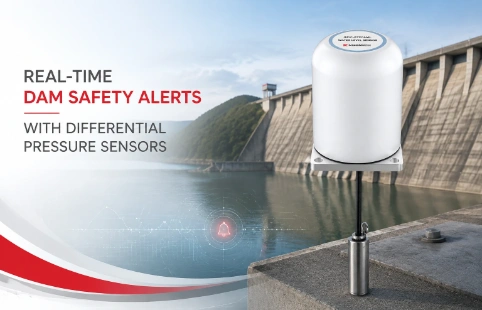
Real-Time Dam Safety Alerts with Differential Pressure Water Level Sensors
Key Takeaways An alert chain needs more than a sensor: define field in...

Dual-Axis Tilt Sensor: Built for Field Reliability
When a bridge pier leans just half a degree over five years, the strain gauges might miss it, but a dual-axis tilt sensor catches it. That's the kind of slow, silent shift geotechnical engineers lose sleep over. These sensors measure inclination in two orthogonal planes simultaneously, giving you the full picture of angular movement in structures, slopes, and deep excavations. Kingmach has been shipping these instruments to monitoring projects across more than forty countries. The designs don't rely on fancy lab specs that crumble in real-world humidity and temperature swings. Instead, they combine MEMS sensing elements with ruggedized housings and field-serviceable connectors. Whether you're instrumenting a tunnel face or a tailings dam, you need data that holds up over years, not weeks. Our dual-axis tilt sensors deliver that with straightforward integration and support that doesn't disappear after the sale.
Technical Detail
Kingmach's dual-axis tilt sensors form part of a wider geotechnical instrumentation lineup, and they're used when you need to track angular displacement in two directions from a single mounting point. Typical applications include monitoring retaining wall rotation, bridge pier alignment, landslide slope movement, and structural tilt in buildings. The biaxial measurement eliminates the need to install two separate single-axis units, cutting down both hardware cost and cabling complexity on site. The sensing element is based on MEMS technology, which provides good long-term stability and fine resolution. Most models can be ordered with ranges anywhere from ±5° to ±90°, depending on the project requirement. Output options usually include 4–20mA, RS485, or voltage, so they fit into legacy loggers as easily as modern wireless nodes. Enclosures are IP67 or better, and we can supply stainless steel or anodized aluminum versions for corrosive environments. Customization is something Kingmach handles regularly; if you need a different cable length, connector type, or mounting bracket geometry, it doesn't add months to the lead time. Our support team helps with configuration and integration so that you're not left alone with a manual and a prayer. Global shipping and local technical assistance are available through our distribution network.
News
Key Takeaways An alert chain needs more than a sensor: define field in...
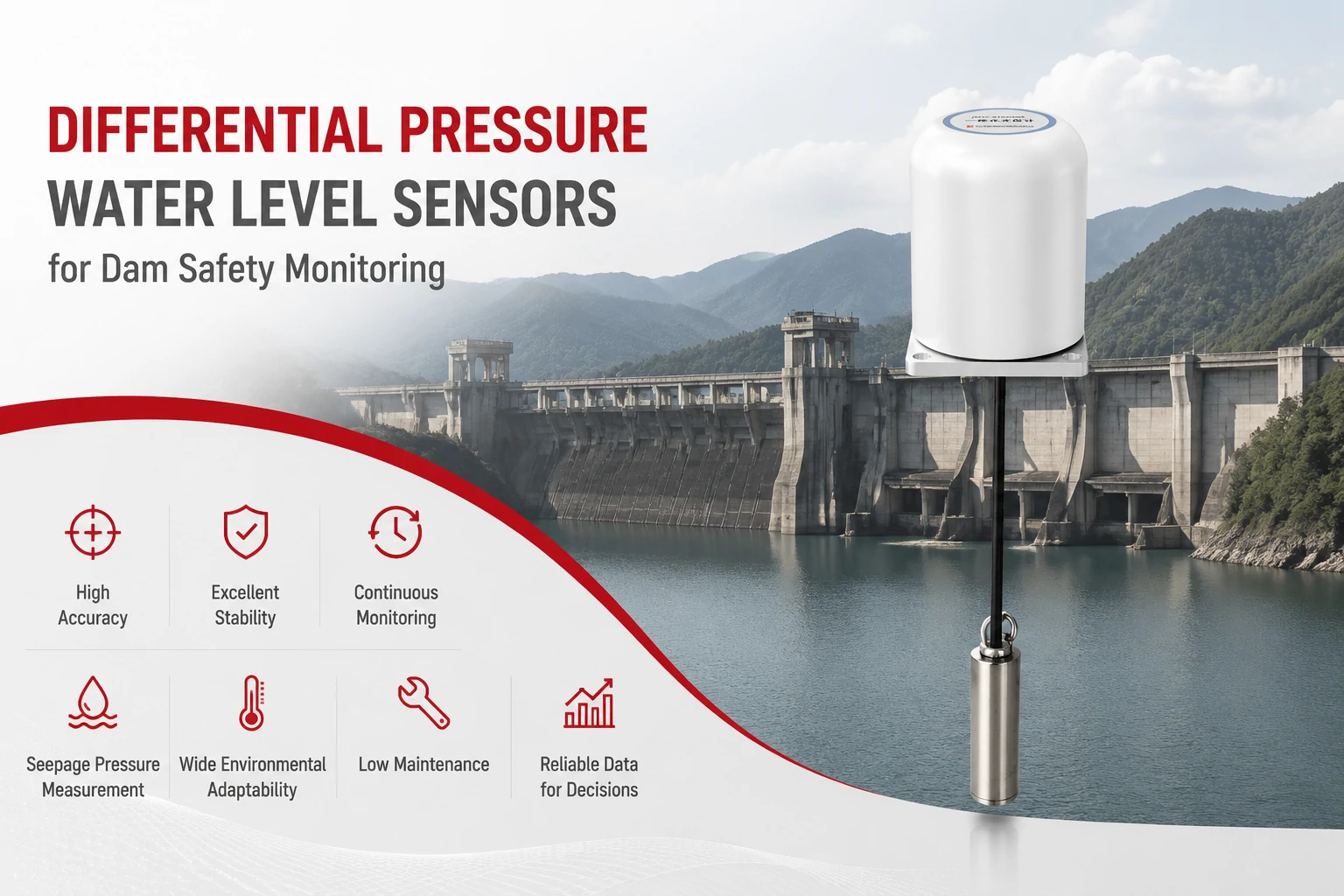
Key Takeaways The strongest fit is usually a confined, submerged, or s...
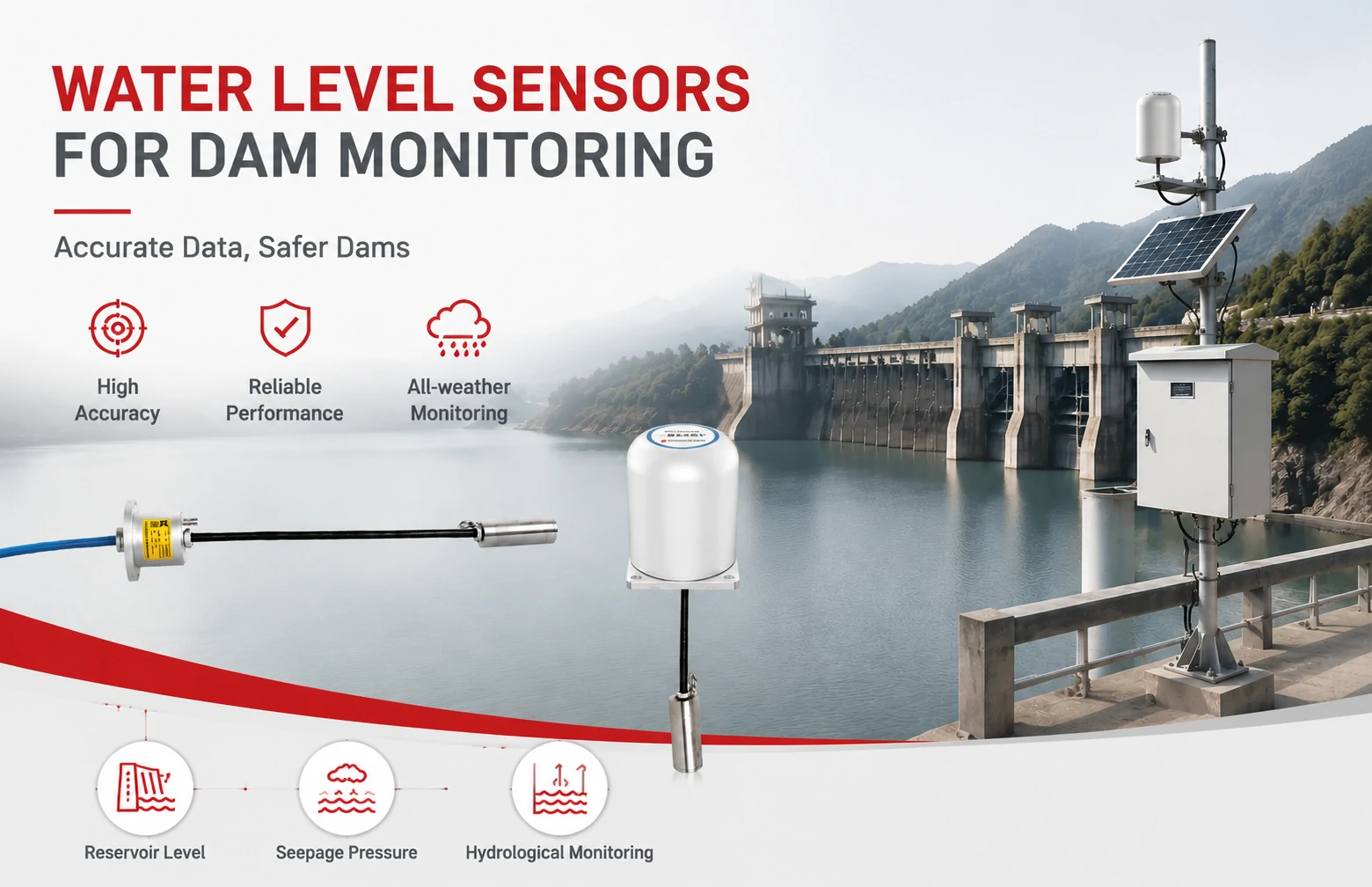
Kingmach Water Level Sensors for Dam Monitoring: A Buyer's Guide to Differential Pre...
Products
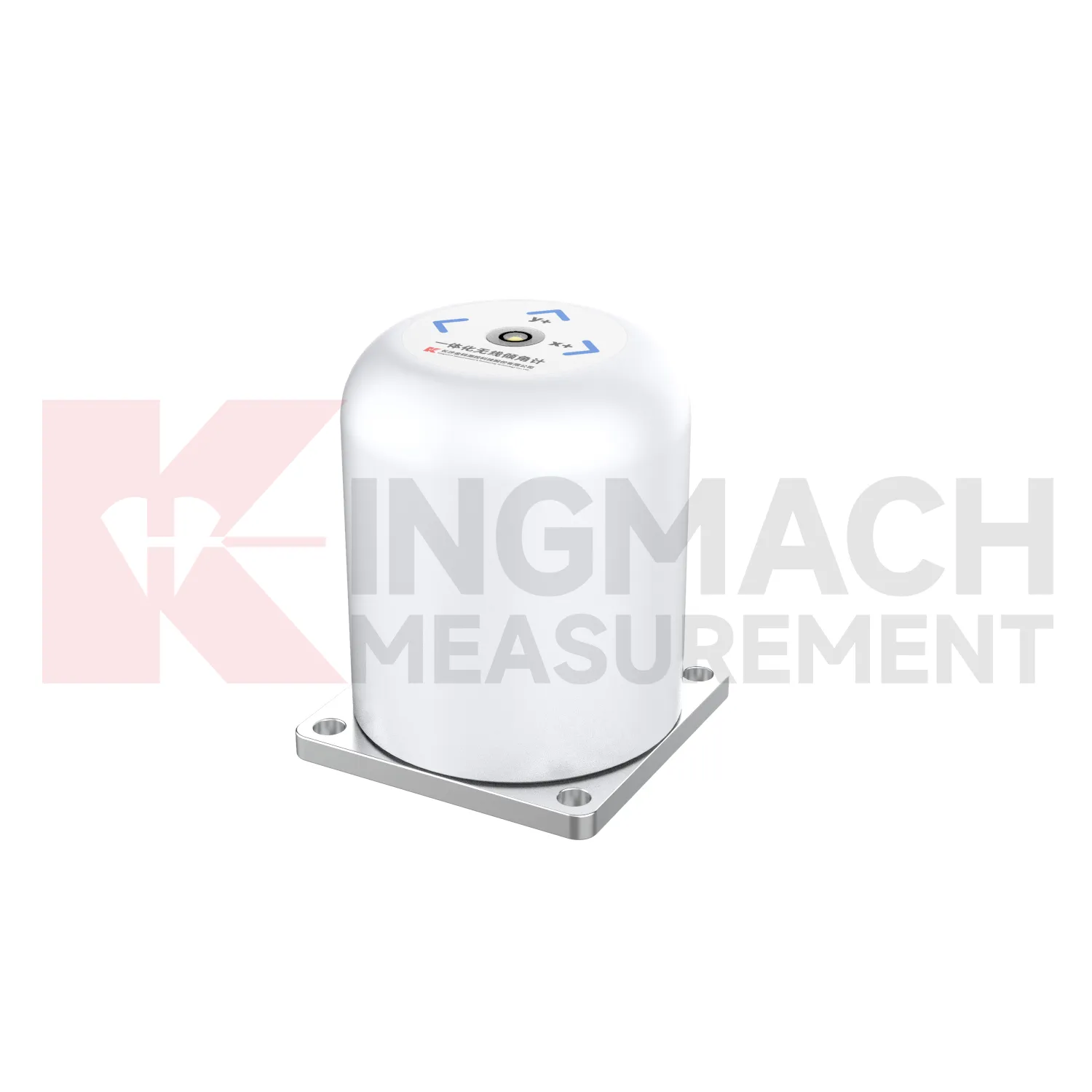
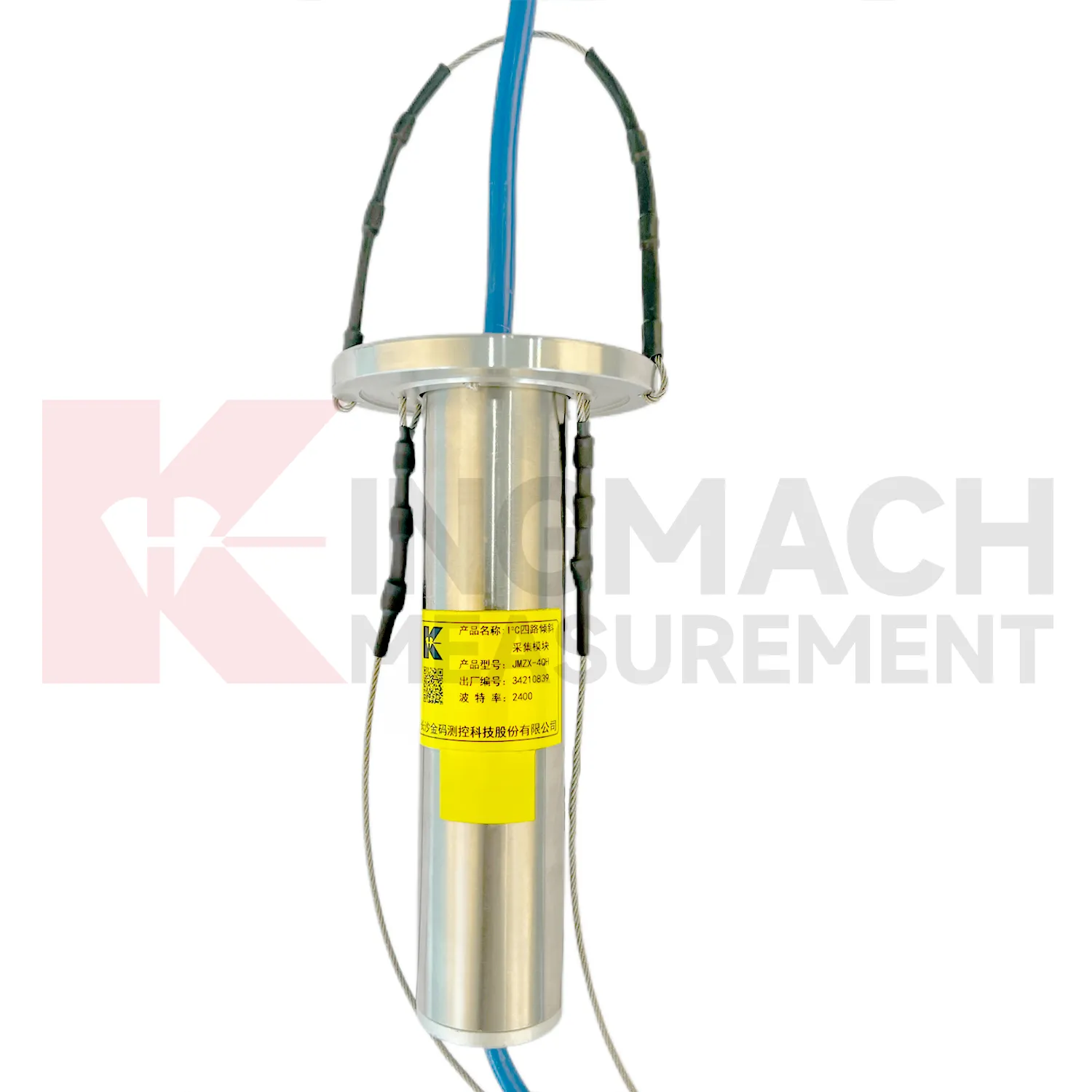
I²C 4-Channel Inclination Acquisition Module JMZX-4QH
View Details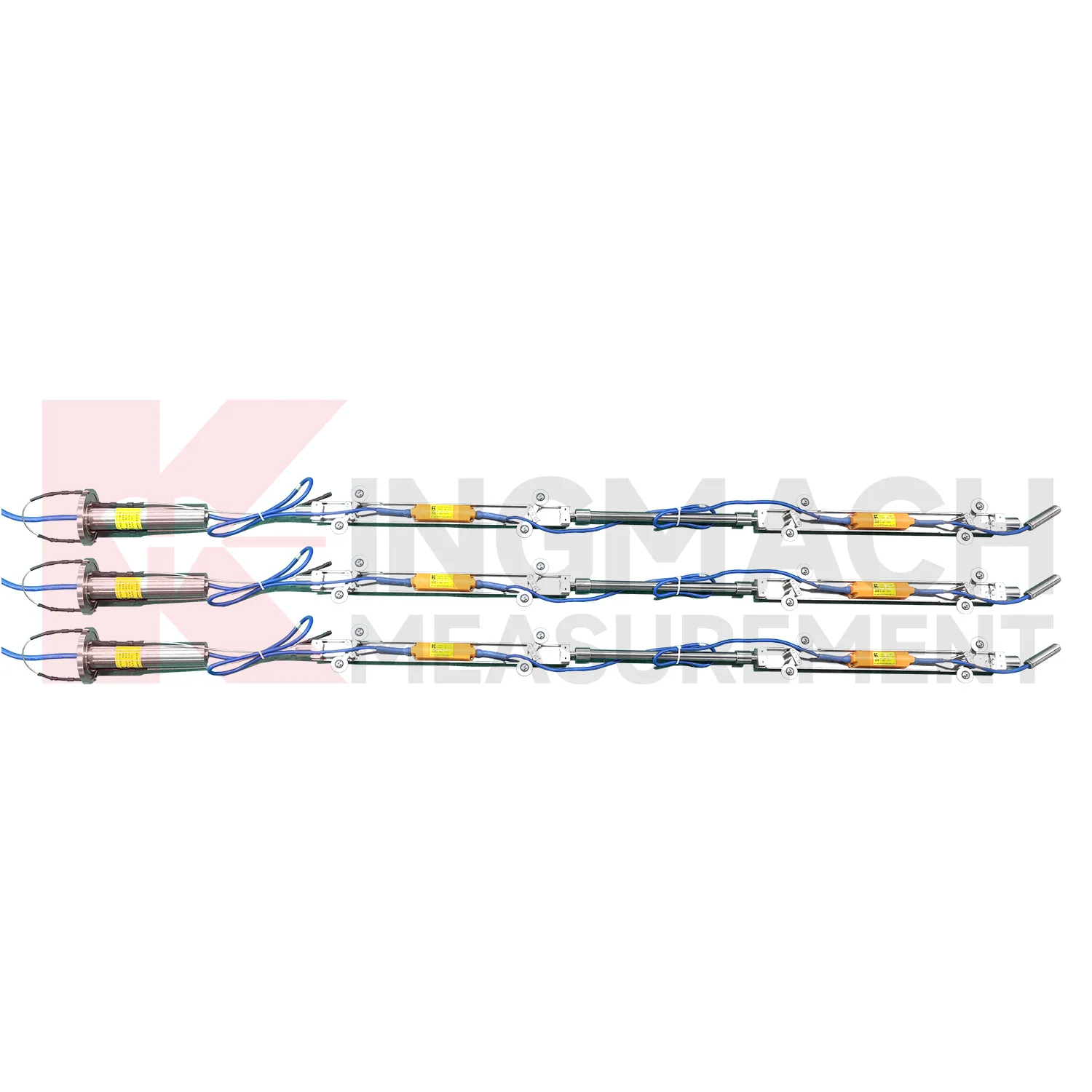
Vertical In-Place Inclinometer System JMQJ-7915ATS
View DetailsFAQ
Single-axis sensors measure tilt in one plane, which is fine if your structure only moves in a known direction. Dual-axis units give you pitch and roll simultaneously from one mounting position. For retaining walls, bridge piers, or any situation where deformation could twist in unforeseen ways, the biaxial data eliminates blind spots. It also saves you the trouble of aligning two separate sensors perfectly orthogonal, which is trickier than it sounds on a dusty construction site.
Most MEMS-based tilt sensors in this class deliver a total accuracy of around ±0.01° to ±0.05° over a narrow range at room temperature, though real field accuracy depends heavily on temperature compensation. Our designs incorporate onboard calibration and thermal drift correction so you get repeatable readings across the full operating temperature range. If you need higher precision for critical monitoring, we can discuss factory calibration against reference inclinometers.
Yes. Standard enclosures are rated IP67, meaning they withstand temporary immersion and are sealed against dust. For aggressive environments—coastal salt spray, acidic mining runoff—we offer stainless steel housings and marine-grade connectors. The cable glands are also strain-relieved and sealed; we recommend routing cables with a drip loop to prevent water tracking into the connector. Periodic visual inspection of the housing seals is good practice, but the internals are nitrogen-purged during assembly to minimize internal condensation risk.
You can order models with 4–20mA current loops, which are robust against electrical noise and support long cable runs without signal loss. RS485 (Modbus RTU) versions allow multi-drop networking and digital communication for up to a few hundred meters. Some models also provide a 0–5V voltage output. We can supply pre-terminated cables of custom lengths, or you can wire your own through the plug connector on site. The pinout diagrams are marked clearly inside the connector cap.
Absolutely. Customization requests we've handled before include longer cable assemblies with armored jackets, different mounting plate dimensions, extended measuring ranges up to ±90°, and special temperature compensation curves for geothermal applications. Lead times for modifications are usually shorter than you'd expect because we keep core sensing modules in stock. Just get in touch with your mounting constraints and output preference, and we'll work out the rest.
Share your product type, target capacity, and application requirements. Our team can review the details and recommend a practical next step.
If you are interested in our products or want to become our partner.
Please leave your contact information, our team will contact you as soon as possible.
Mail: [email protected]
Contact Us: +8613808434127
Address: No. 188 Tongzipo West Rd, Changsha, Hunan, China