
 EN
EN
 ar
ar bg
bg hr
hr cs
cs da
da nl
nl fi
fi fr
fr de
de el
el hi
hi it
it ko
ko no
no pl
pl pt
pt ro
ro ru
ru es
es sv
sv tl
tl iw
iw id
id lv
lv lt
lt sr
sr sk
sk sl
sl uk
uk vi
vi et
et hu
hu th
th tr
tr fa
fa ms
ms hy
hy ka
ka ur
ur bn
bn mn
mn ta
ta kk
kk uz
uz ku
ku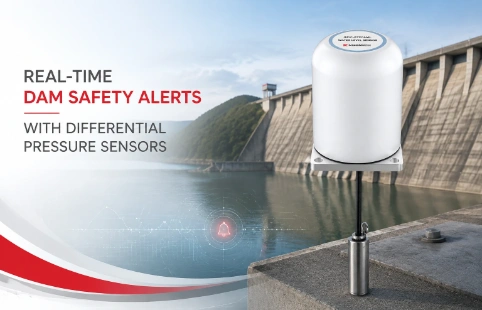
Real-Time Dam Safety Alerts with Differential Pressure Water Level Sensors
Key Takeaways An alert chain needs more than a sensor: define field in...

Strain Gauge Transducers for Demanding Geotechnical Monitoring
When a bridge shows unexpected stress or a tunnel requires long-term deformation monitoring, the strain gauge transducer you choose can make or break the data quality. Kingmach has supplied these instruments to engineers and monitoring firms for years, covering a range from simple load cells to advanced vibrating wire strain gauges. Rather than listing specs, let’s look at how these devices work in the field—and why factors like temperature compensation and cable management, rarely on a datasheet, heavily influence performance. Kingmach’s transducers are built for dusty sites, freezing boreholes, and installations where reliability is non-negotiable. Their focus on mechanical robustness and signal stability means many system integrators trust them for projects where data directly impacts safety. Whether measuring strain in concrete piles or monitoring load in a retaining wall, long-term accuracy separates useful monitoring from useless data. Kingmach works with clients to match transducers to specific challenges, offering mounting and cabling options that speed up installation.
Technical Detail
Kingmach’s strain gauge transducers employ vibrating wire, resistive, and fiber optic technologies. Vibrating wire units excel in long-term stability and are embedded in concrete for tunnel linings, while resistive gauges balance cost and performance for surface mounting on steel. An often-missed detail is temperature compensation—Kingmach embeds thermistors and selects materials with matched thermal expansion to minimize drift, crucial for dams or bridges where temperature swings mask structural change. Manufacturing follows strict QC, and each transducer ships with a calibration sheet traceable to national standards. For projects needing non-standard dimensions or cable lengths, Kingmach’s engineers modify designs directly with clients. This flexibility has made them a go-to supplier for infrastructure projects in Southeast Asia and Africa, where logistics and on-site support matter as much as product quality. After sales, troubleshooting guidance runs through local distributors, and on-site training can be arranged. Their broad range means you can source piezometers, inclinometers, and strain gauge transducers from one vendor, simplifying procurement and system compatibility. From consultation to calibration, Kingmach aims to lower the total cost of ownership, making professional-grade strain measurement practical for projects of any scale.
News
Key Takeaways An alert chain needs more than a sensor: define field in...
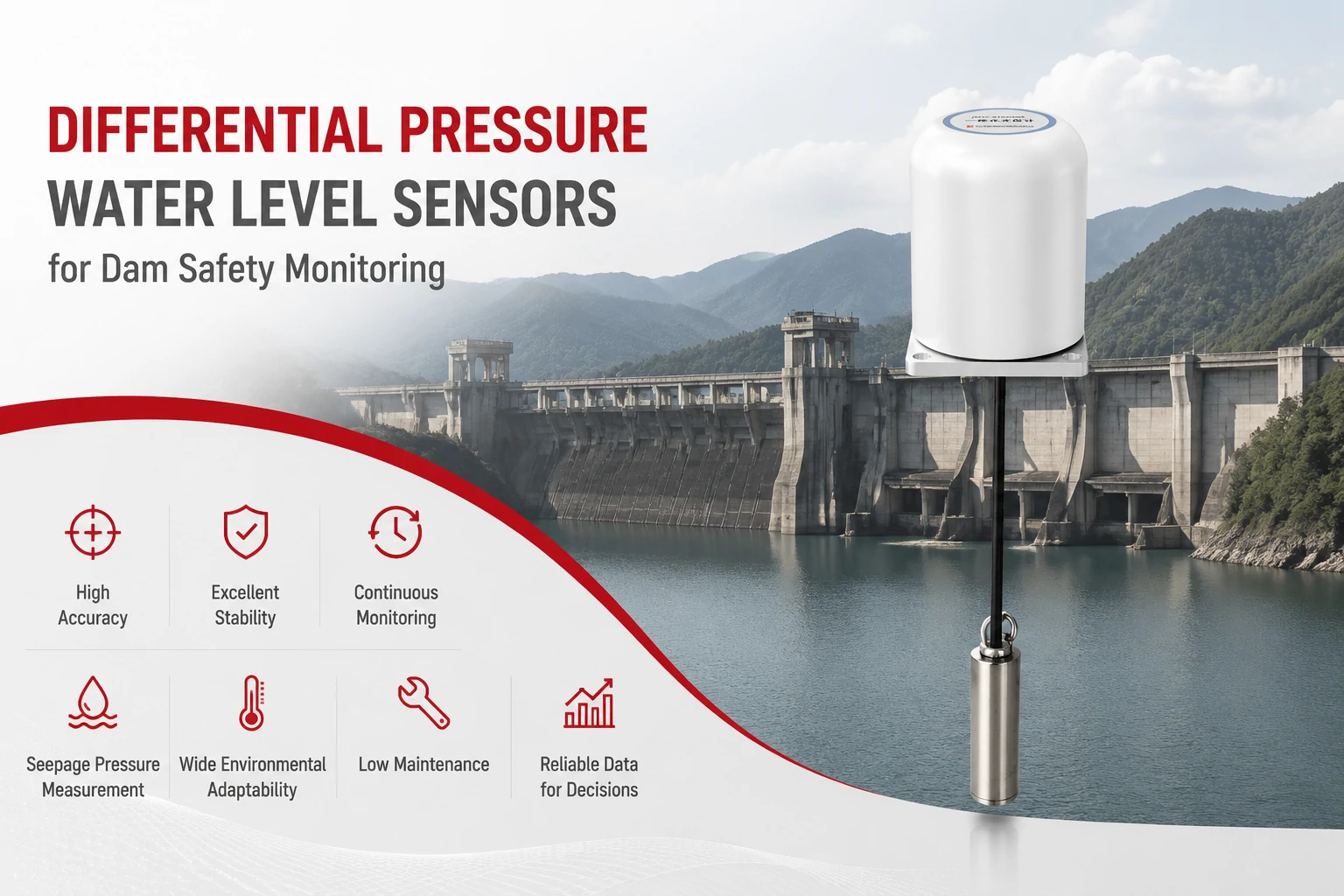
Key Takeaways The strongest fit is usually a confined, submerged, or s...
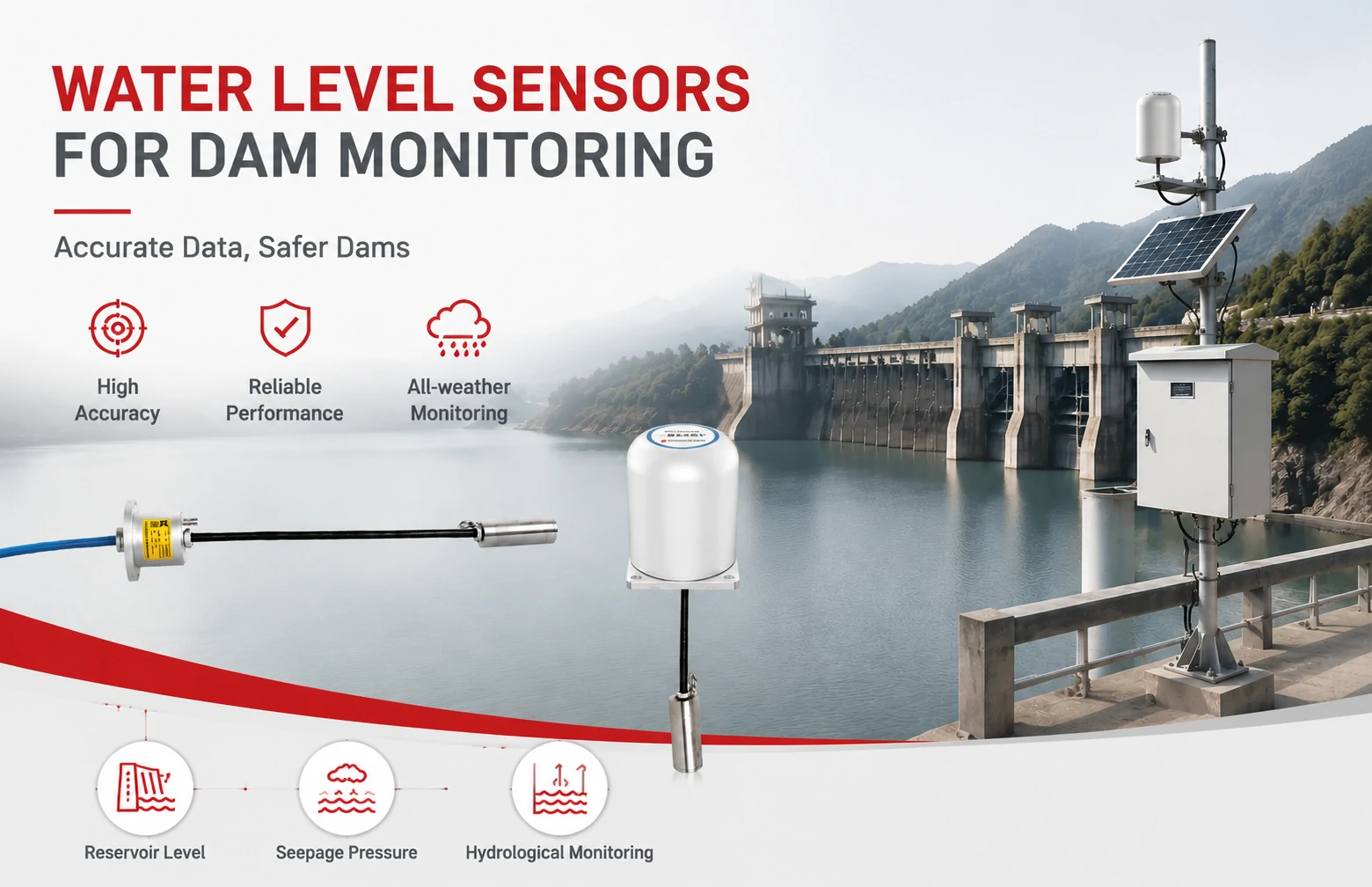
Kingmach Water Level Sensors for Dam Monitoring: A Buyer's Guide to Differential Pre...
Products
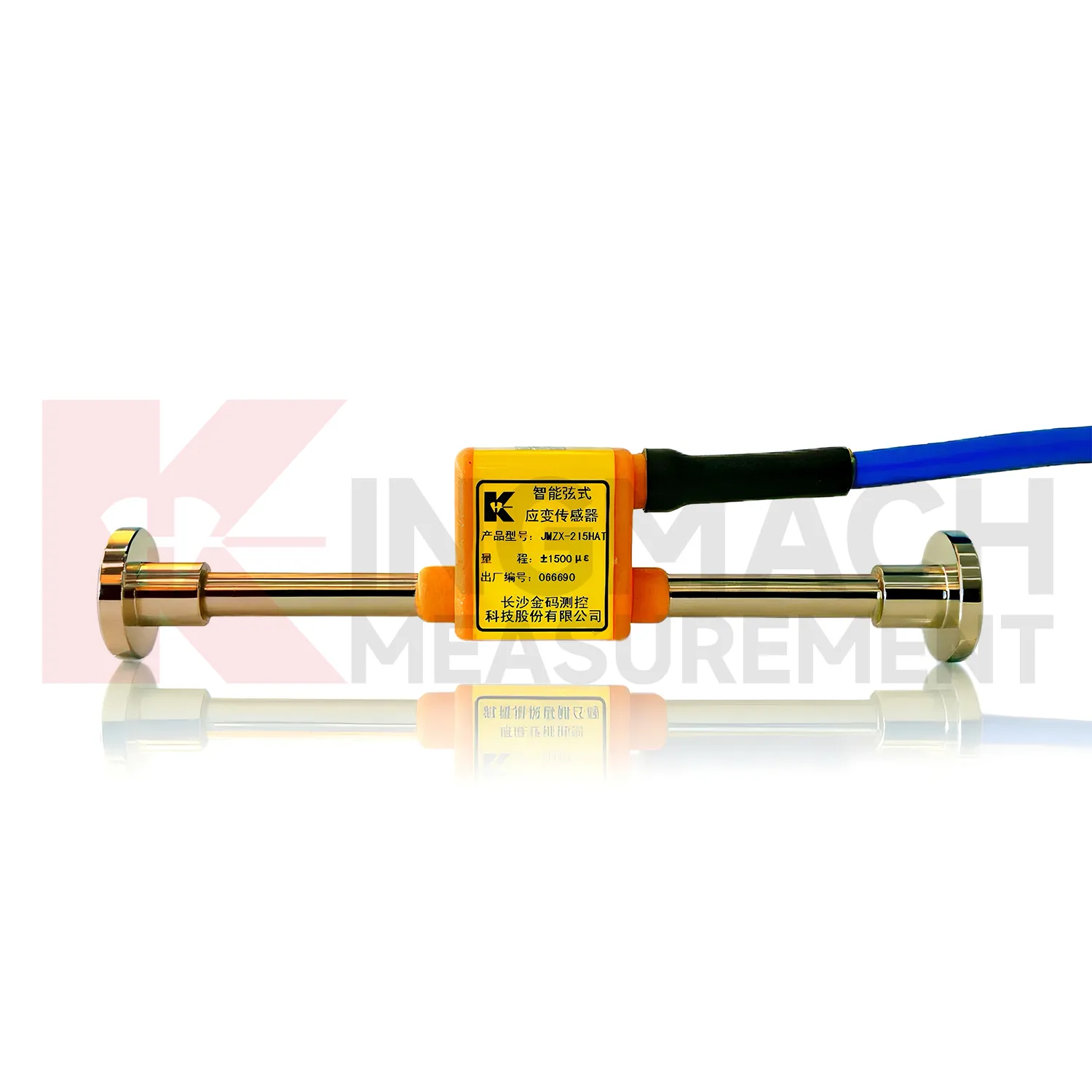
Smart vibrating wire strain gauge (embedment model) JMZX-215HA/215HAT/HB
View Details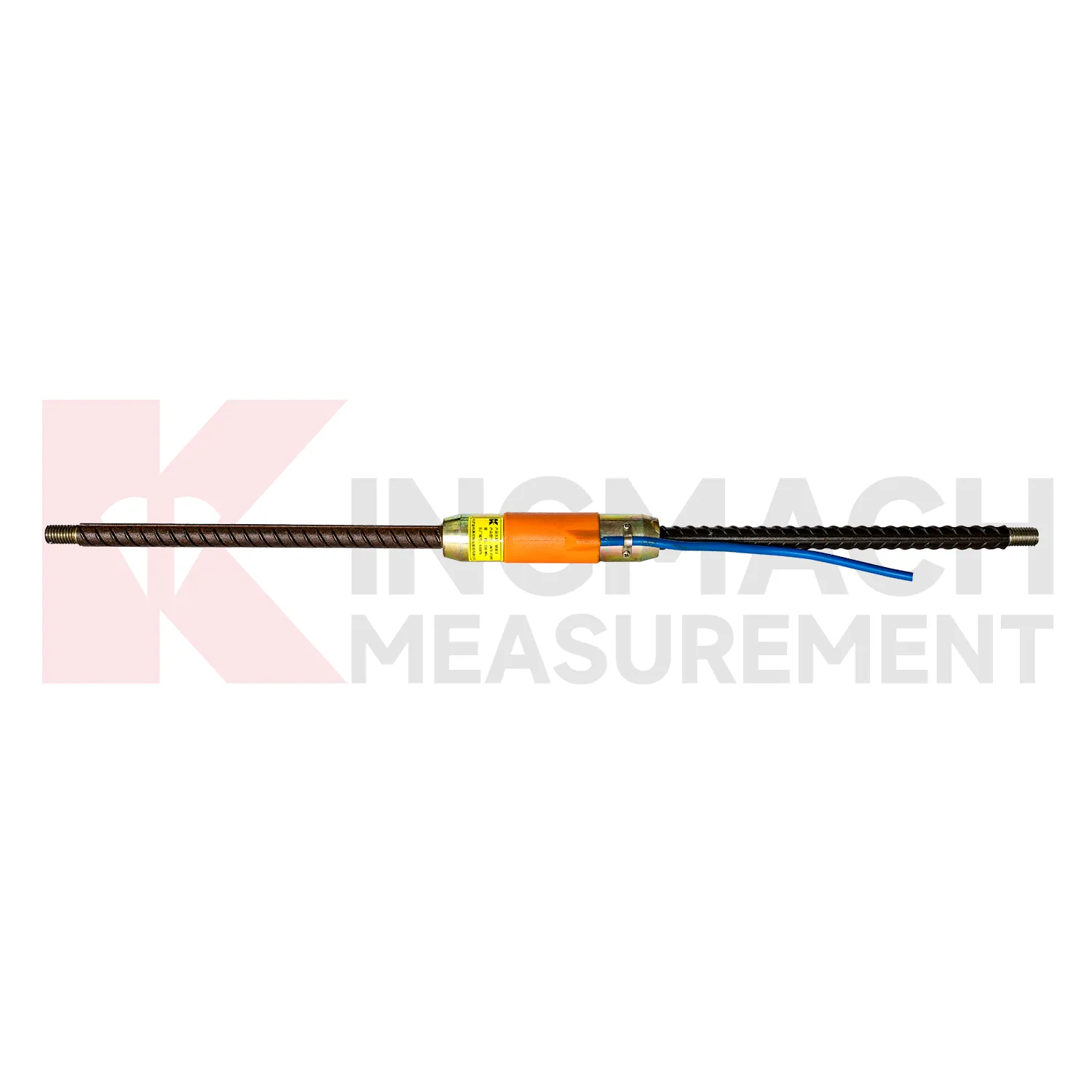
Rebar Strainmeters ( VW & Smart Type) JMZX-4XXHAT/HB
View Details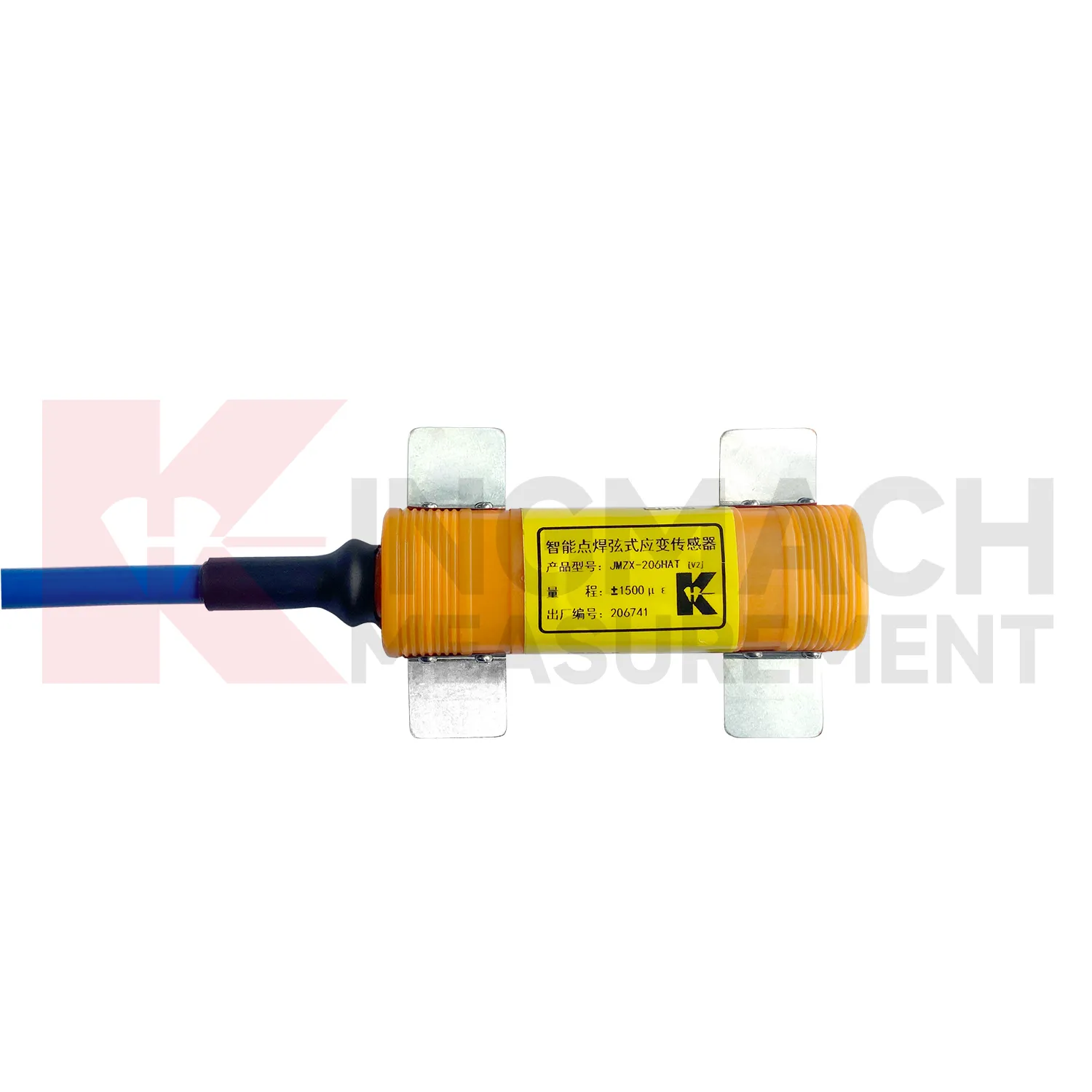
Smart vibrating wire strain gauge (surface welded model) JMZX-206HAT
View DetailsFAQ
It depends on your monitoring environment and required long-term stability. Vibrating wire transducers are better for long-term, embedment applications like concrete dams or tunnel linings because they are less prone to drift from cable resistance changes. Resistive strain gauges are usually more cost-effective for surface-mounted applications on steel structures and when high-frequency measurements are needed. Consider cable length and data logger compatibility as well.
Yes, Kingmach provides custom cable lengths and connector types to suit your installation. When you place an order, let us know the required cable length, and we will build the transducer accordingly to avoid field splicing, which can compromise signal integrity.
Most of our transducers output a frequency signal (vibrating wire type) or a calibrated voltage/resistance signal (resistive type). We provide wiring diagrams and technical notes to help you integrate them with common data loggers. If your system uses a specific protocol, our support team can guide the connection.
Standard transducers are sealed with epoxy or welded stainless steel housings to withstand high humidity and direct burial. For submersion applications, we can apply additional waterproofing measures during manufacturing. Ask about ingress protection requirements when you inquire.
Every transducer includes a detailed calibration sheet from our in-house lab, with traceability to international standards. If your project requires additional accredited calibration, we can arrange that through partner laboratories for an extra fee.
Share your product type, target capacity, and application requirements. Our team can review the details and recommend a practical next step.
If you are interested in our products or want to become our partner.
Please leave your contact information, our team will contact you as soon as possible.
Mail: [email protected]
Contact Us: +8613808434127
Address: No. 188 Tongzipo West Rd, Changsha, Hunan, China