
 EN
EN
 ar
ar bg
bg hr
hr cs
cs da
da nl
nl fi
fi fr
fr de
de el
el hi
hi it
it ko
ko no
no pl
pl pt
pt ro
ro ru
ru es
es sv
sv tl
tl iw
iw id
id lv
lv lt
lt sr
sr sk
sk sl
sl uk
uk vi
vi et
et hu
hu th
th tr
tr fa
fa ms
ms hy
hy ka
ka ur
ur bn
bn mn
mn ta
ta kk
kk uz
uz ku
ku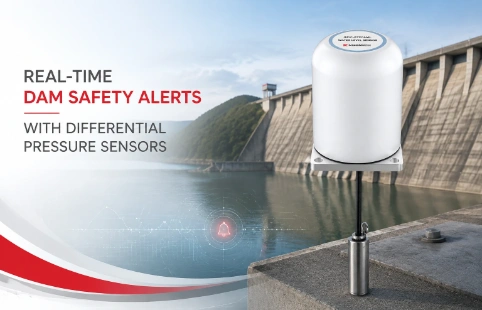
Real-Time Dam Safety Alerts with Differential Pressure Water Level Sensors
Key Takeaways An alert chain needs more than a sensor: define field in...

Strain Gauge Rosette: From Selection to Application
Figuring out the principal stresses on a structural component isn't always straightforward. A strain gauge rosette simplifies this by combining multiple measuring grids at known angles, but the real challenge often lies in matching the right rosette configuration to your specific test conditions—material stiffness, ambient temperature, lead-wire effects, and the expected stress state. That’s where experience matters. At Kingmach, we’ve been supplying measurement instruments for geotechnical and structural monitoring for years, and we understand that a strain gauge rosette isn’t just a sensor; it’s part of a larger system that must deliver reproducible data under harsh field conditions. Whether you’re instrumenting a tunnel segment, a bridge pier, or a steel component in a controlled lab, we help you get from sensor selection to reliable readings without guesswork. Our team can guide you through trade-offs like grid length vs. strain gradient sensitivity, or whether a stacked vs. planar rosette makes sense for your mounting surface curvature. We stock common patterns and build custom ones when your project demands it.
Technical Detail
Strain gauge rosettes from Kingmach are designed to measure biaxial stress states with known or unknown principal directions. We provide three standard configurations: the tee rosette (0°-90°), the rectangular rosette (0°-45°-90°), and the delta rosette (0°-60°-120°), each with its own advantages. Tee rosettes are often used when principal axes are aligned with the gauge axes, while rectangular and delta types let you compute the full stress tensor when directions aren’t known in advance. We typically supply gauges with nominal resistances of 120Ω or 350Ω, as these are well-suited for most measurement circuits, but can adjust to spec. For geotechnical environments—think concrete embedment, rock bolts, or steel liners—long-term stability is non‑negotiable. That’s why our rosettes come with options for temperature compensation matched to common structural materials like steel (11.7 ppm/°C), aluminum (23 ppm/°C), or quartz‑like low‑expansion materials. If your project exposes the gauges to moisture or chemical attack, we can encapsulate them in polyurethane or other protective coatings. Because we manufacture in‑house, we also handle customizations like extended lead wires, different lead arrangements (flat, twisted), or pre‑attached connectors to speed up field setup. Selecting the right rosette means picking the correct grid length. For homogeneous materials with uniform stress fields, longer grids (e.g., 6 mm) average out surface roughness; for high stress gradients near notches or cracks, shorter grids (e.g., 1.5 mm) give you more localized data. Our application engineers can review your strain field expectations and recommend a balance without over‑engineering. Beyond the gauge itself, we stock adhesives, coatings, and wiring accessories, and we offer installation training—on‑site or remote—to make sure your rosette works in the dirt and grime where you need it. With a global distribution network and responsive tech support, Kingmach can turn around standard orders quickly and discuss custom lead times upfront. Reach out with your measurement challenge; we’ll help you nail down the specifics.
News
Key Takeaways An alert chain needs more than a sensor: define field in...
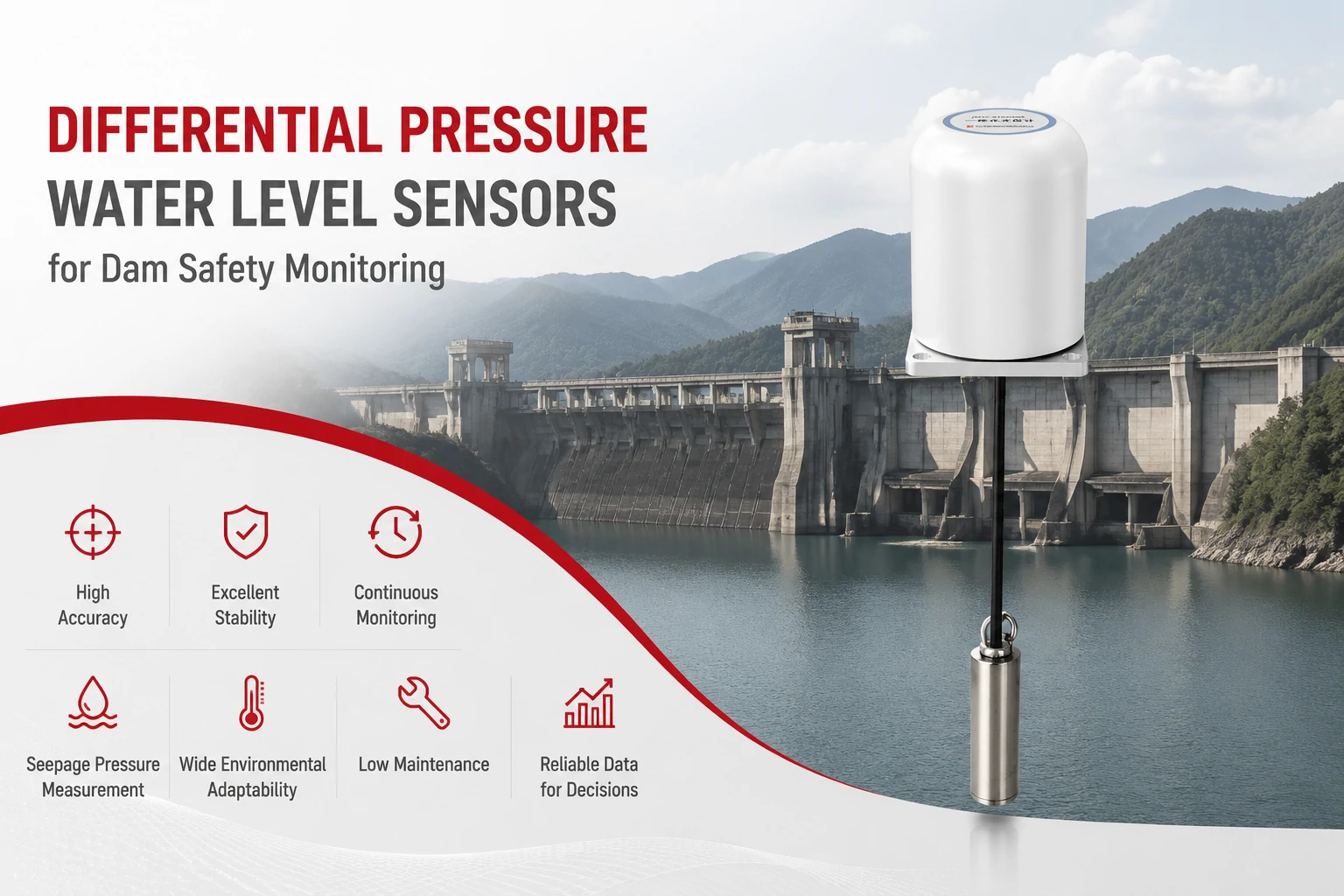
Key Takeaways The strongest fit is usually a confined, submerged, or s...
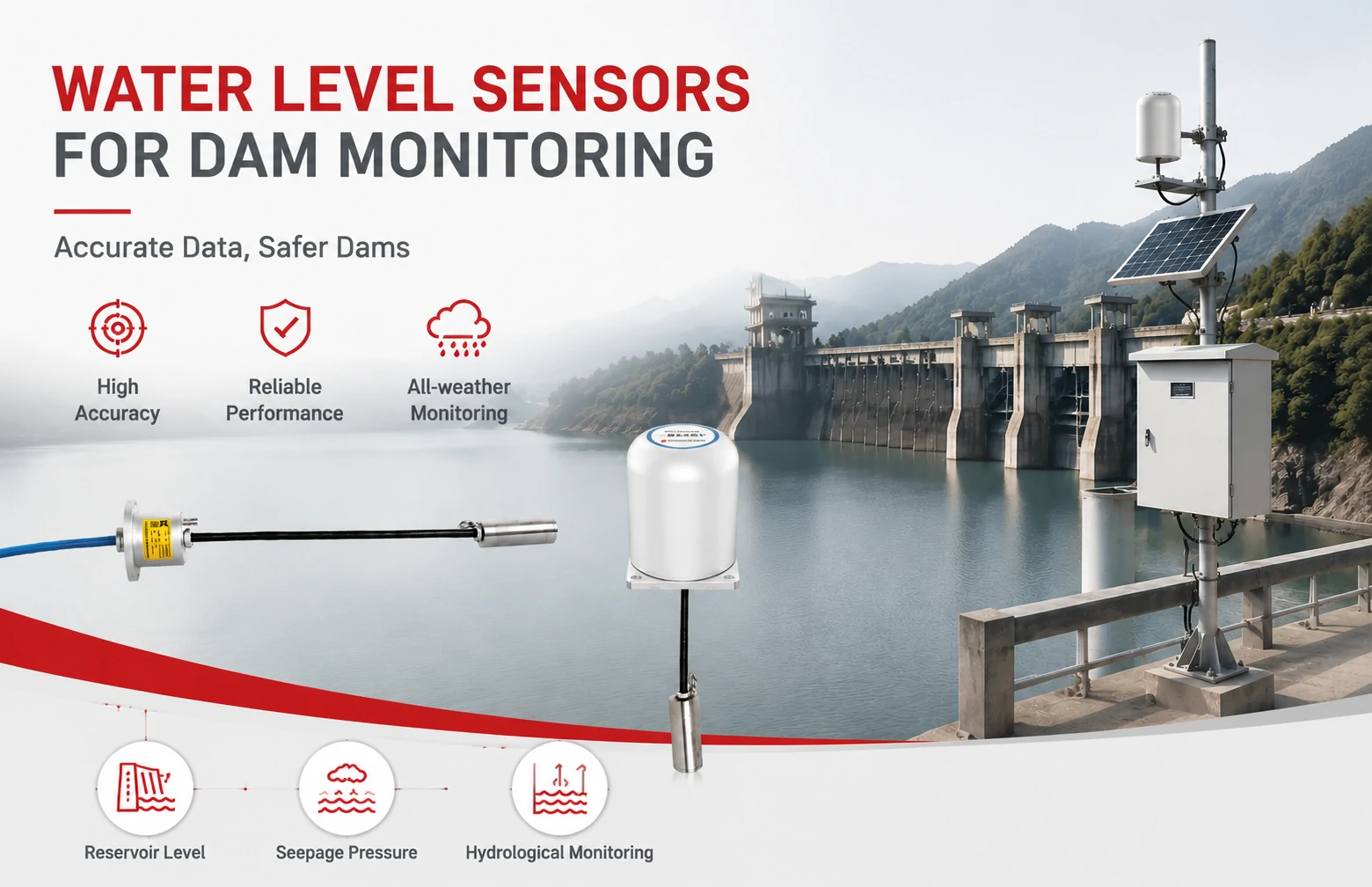
Kingmach Water Level Sensors for Dam Monitoring: A Buyer's Guide to Differential Pre...
Products
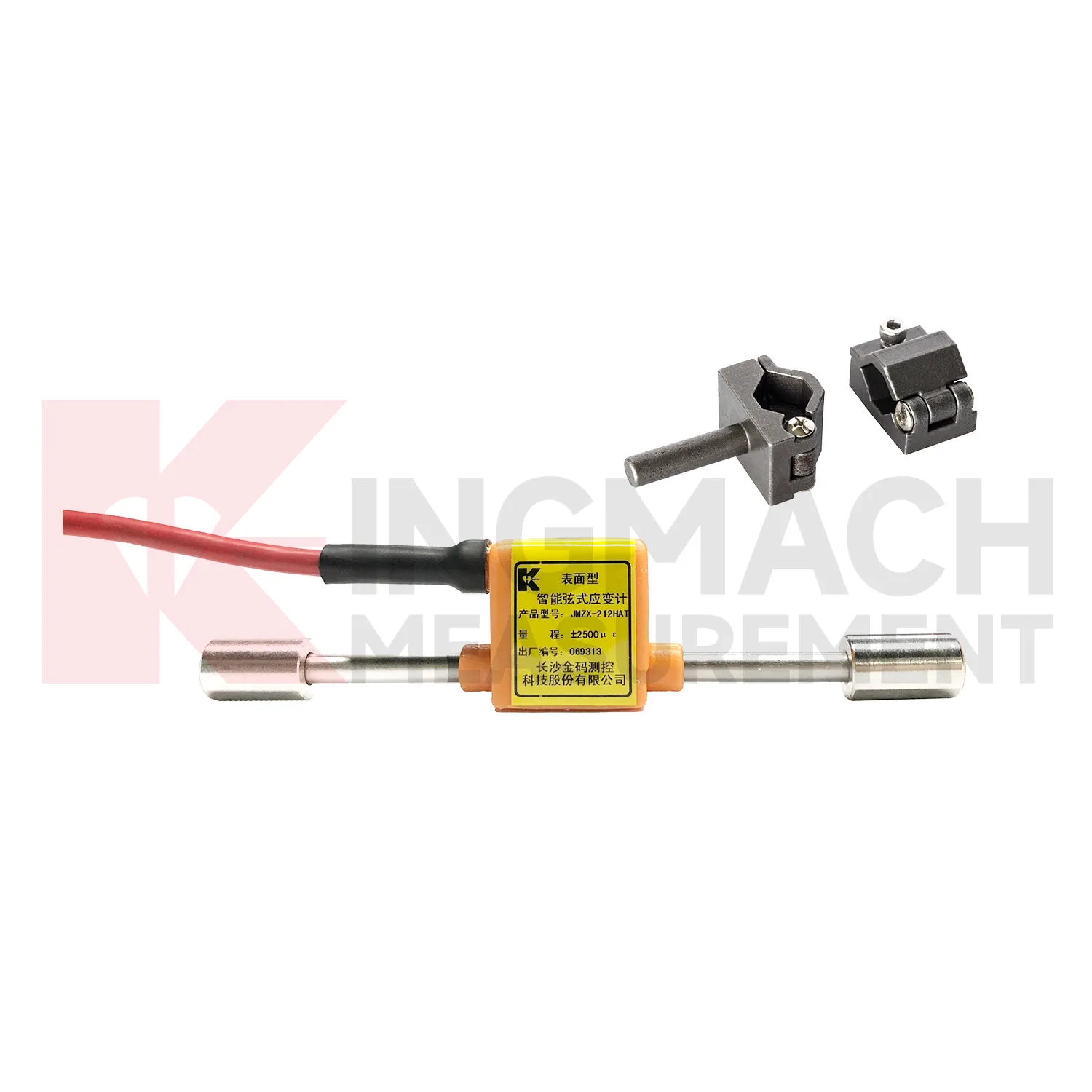
Smart vibrating wire strain gauge (surface model) JMZX-212HAT/HB
View Details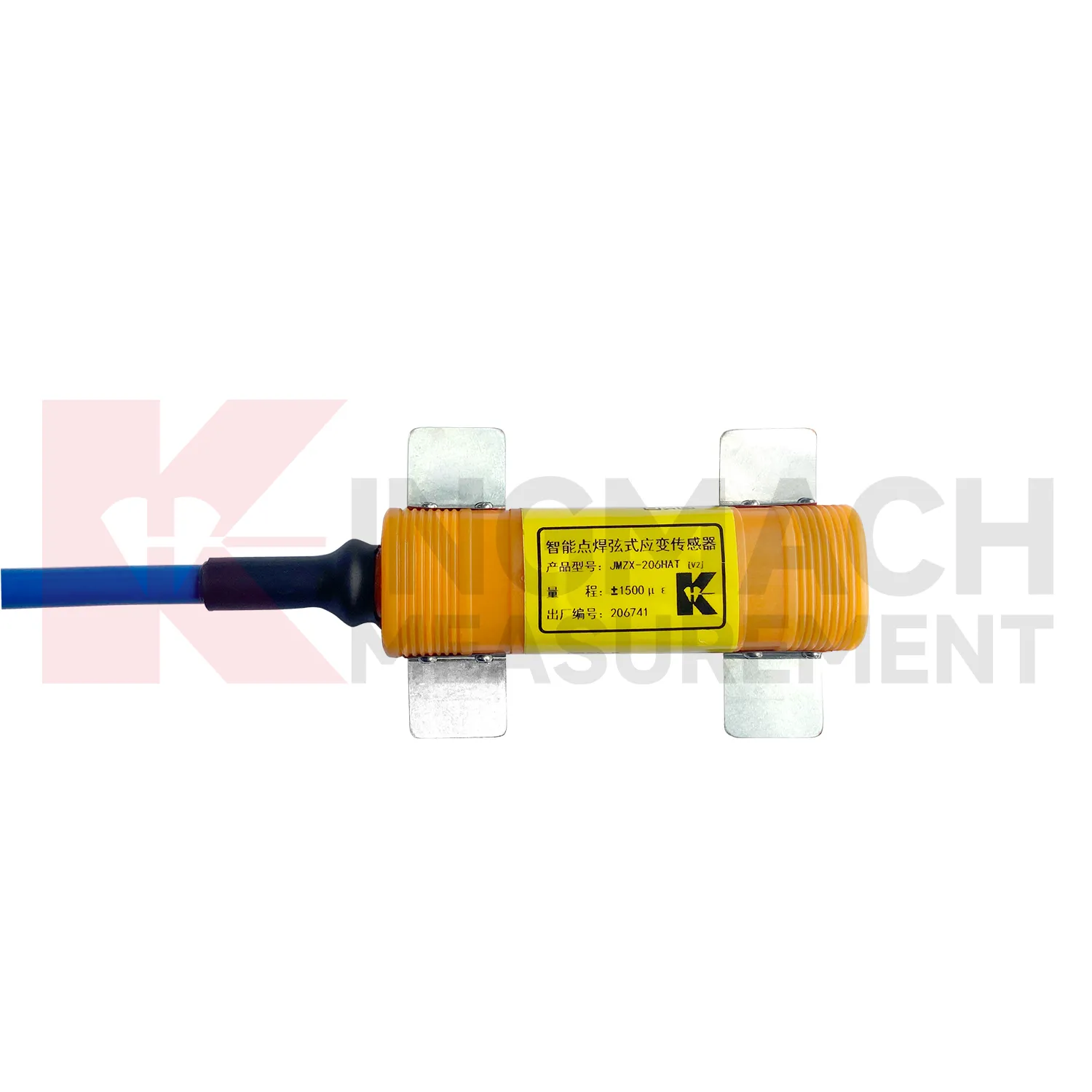
Smart vibrating wire strain gauge (surface welded model) JMZX-206HAT
View Details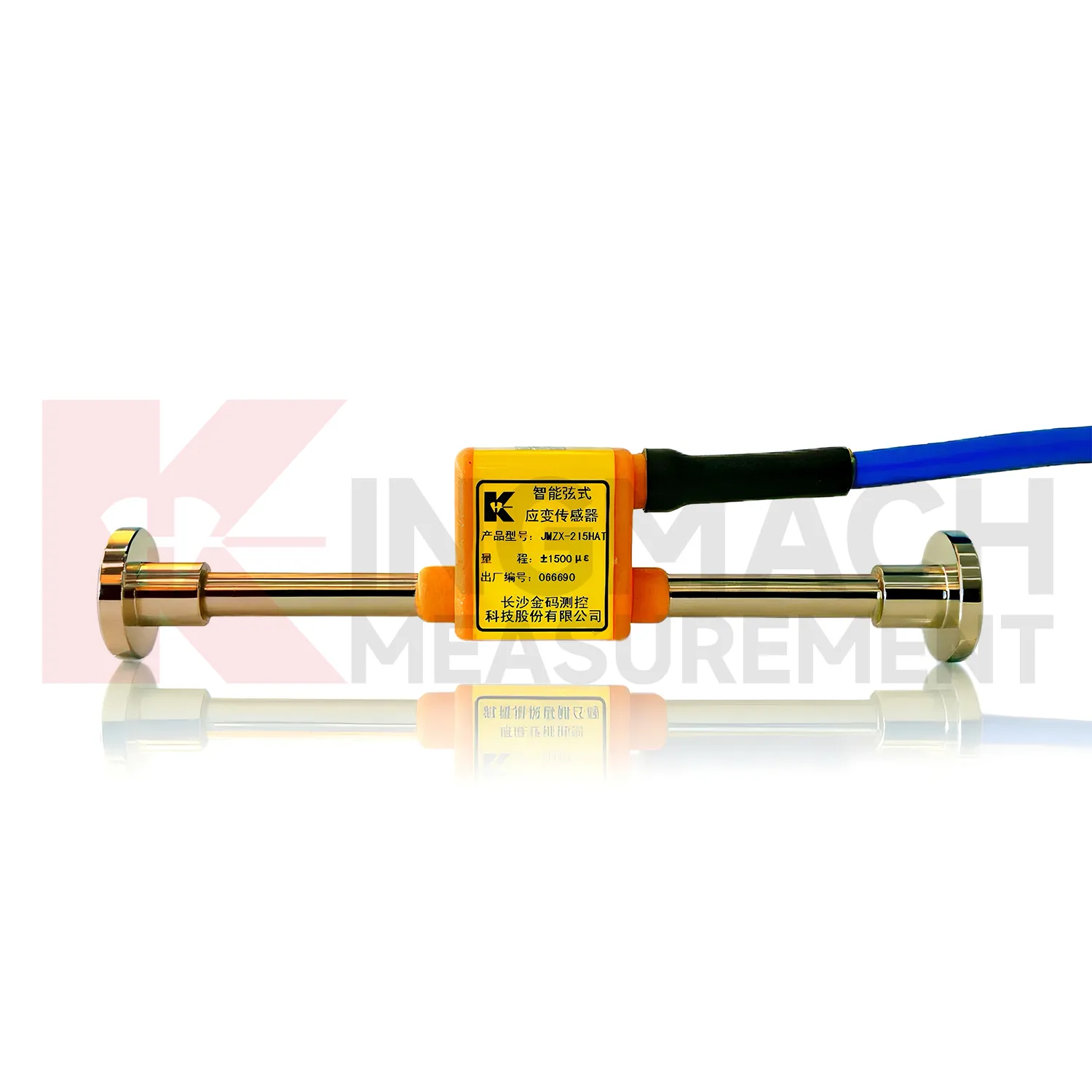
Smart vibrating wire strain gauge (embedment model) JMZX-215HA/215HAT/HB
View DetailsFAQ
If the principal directions are unknown, a three‑element rosette like the rectangular (0°‑45°‑90°) or delta (0°‑60°‑120°) is required. These give you enough data to solve for both principal stresses and their angle. We can walk you through which geometry fits your available space and strain analysis software.
Generally not. Strain gauges are permanently bonded to the test surface, and removal damages the gauge and the adhesive bond. They’re considered consumables. We stock a wide range so you can have spares for multiple tests.
We can match the rosette’s temperature coefficient to your material’s thermal expansion. If you’re working with an unusual alloy or composite, we’ll recommend a gauge with a tailored compensation curve or a dummy gauge setup. Contact us with your material specs.
For curved surfaces, we might suggest a stacked rosette where grids are layered, minimizing the flat footprint. For very small spots, we offer miniature rosettes with grid lengths down to about 1 mm. Send us a drawing or photo of the surface, and we’ll figure out the best option.
While we primarily supply sensors and accessories, we can arrange technical support visits or training for your crew. Remote guidance via video call is also available. Installation quality is critical for rosette accuracy, so we don’t leave you hanging.
Share your product type, target capacity, and application requirements. Our team can review the details and recommend a practical next step.
If you are interested in our products or want to become our partner.
Please leave your contact information, our team will contact you as soon as possible.
Mail: [email protected]
Contact Us: +8613808434127
Address: No. 188 Tongzipo West Rd, Changsha, Hunan, China