
 EN
EN
 ar
ar bg
bg hr
hr cs
cs da
da nl
nl fi
fi fr
fr de
de el
el hi
hi it
it ko
ko no
no pl
pl pt
pt ro
ro ru
ru es
es sv
sv tl
tl iw
iw id
id lv
lv lt
lt sr
sr sk
sk sl
sl uk
uk vi
vi et
et hu
hu th
th tr
tr fa
fa ms
ms hy
hy ka
ka ur
ur bn
bn mn
mn ta
ta kk
kk uz
uz ku
ku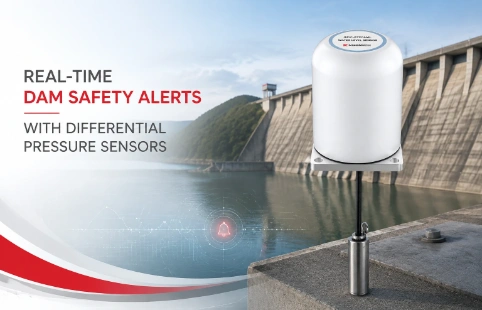
Real-Time Dam Safety Alerts with Differential Pressure Water Level Sensors
Key Takeaways An alert chain needs more than a sensor: define field in...

Resistive Strain Sensors That Fit Your Monitoring Setup
Most strain monitoring jobs don't need the most exotic sensor on the market. They need one that reads reliably, installs without fuss, and keeps working year after year. Kingmach focuses on that practical middle ground. Our resistive strain sensors come out of decades of geotechnical instrument manufacturing, and the range covers everything from embedment gauges for concrete piles to surface-mount units for steel beams. Custom lead lengths, temperature compensation tweaks, and mounting adapters are common requests we handle during ordering, not after.
Technical Detail
Resistive strain sensors measure how much a material deforms under load by converting mechanical strain into a resistance change. In field practice, that means you glue, bolt, or embed the sensor and watch the readout unit change as stress builds up or relaxes. Kingmach stocks foil-based and semiconductor-based sensing elements; the foil types are the workhorses for long-term monitoring because of their stability, while semiconductor variants offer higher sensitivity when you need to catch very small strain changes. Both come with built-in temperature compensation circuits to keep drift minimal. You can order gauges in quarter-bridge, half-bridge, or full-bridge configurations depending on whether you care more about lead wire resistance errors or cost per channel. Typical applications around our customer base include strain monitoring on tunnel linings, load testing on bridge bearings, and structural health checks on dams. We also supply accessories like bonding adhesives, waterproofing coatings, and multi-channel dataloggers that talk directly to the sensors. Since we manufacture in-house, lead time for custom resistance values or special backing materials tends to be shorter than what distributors promise. And if your site team struggles with installation, our engineers walk them through it over a call, often in the same week.
News
Key Takeaways An alert chain needs more than a sensor: define field in...
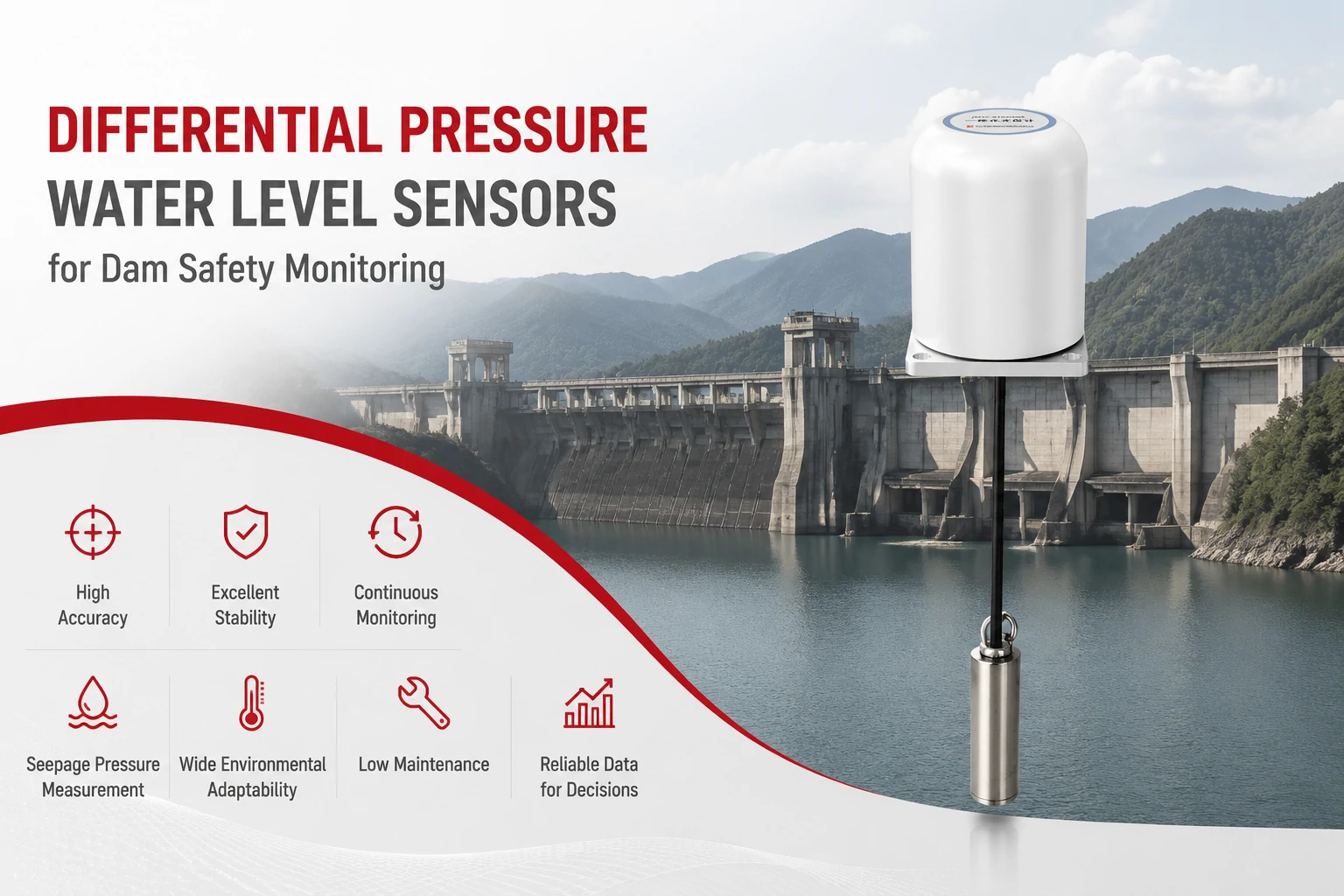
Key Takeaways The strongest fit is usually a confined, submerged, or s...
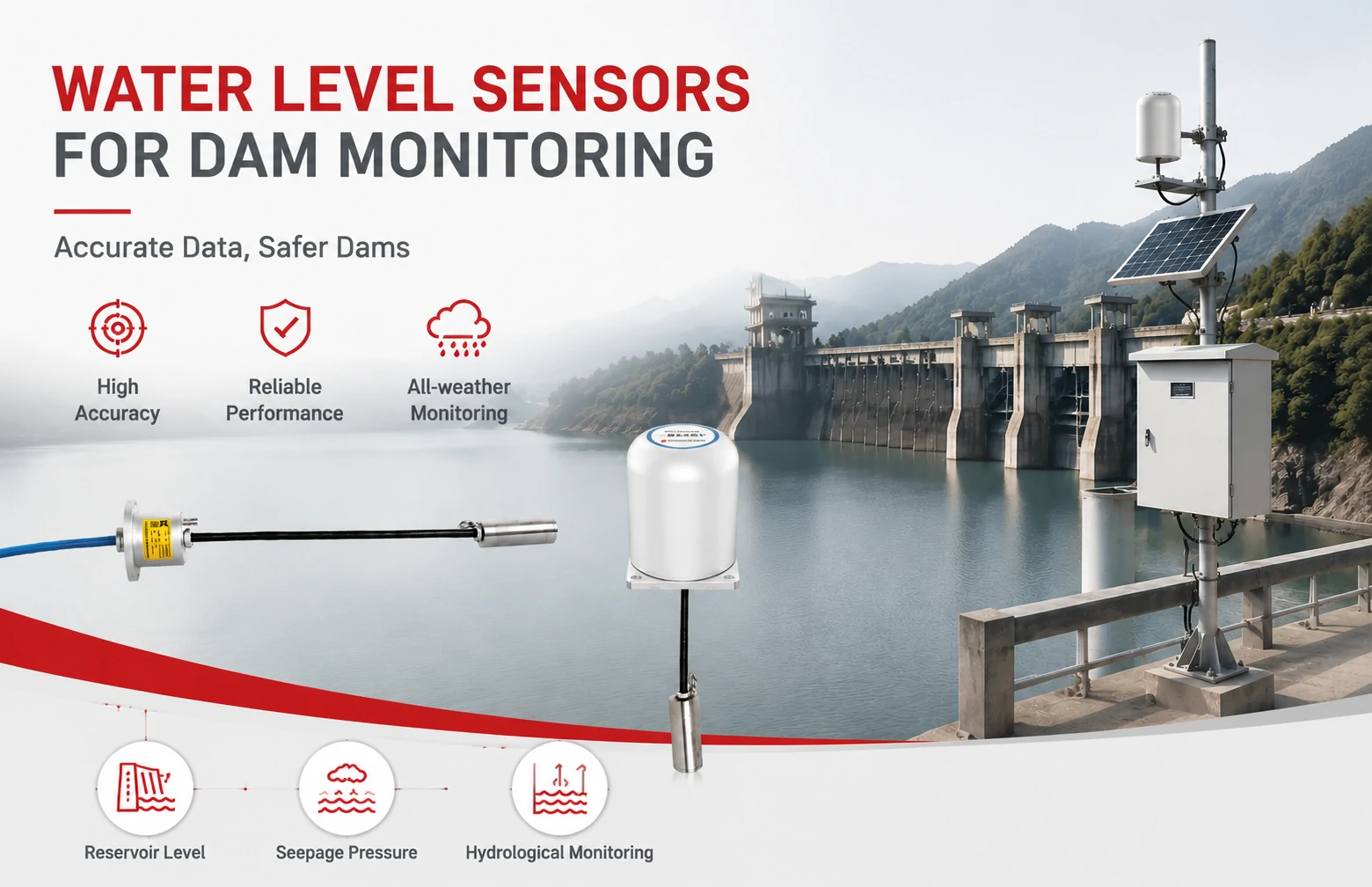
Kingmach Water Level Sensors for Dam Monitoring: A Buyer's Guide to Differential Pre...
Products
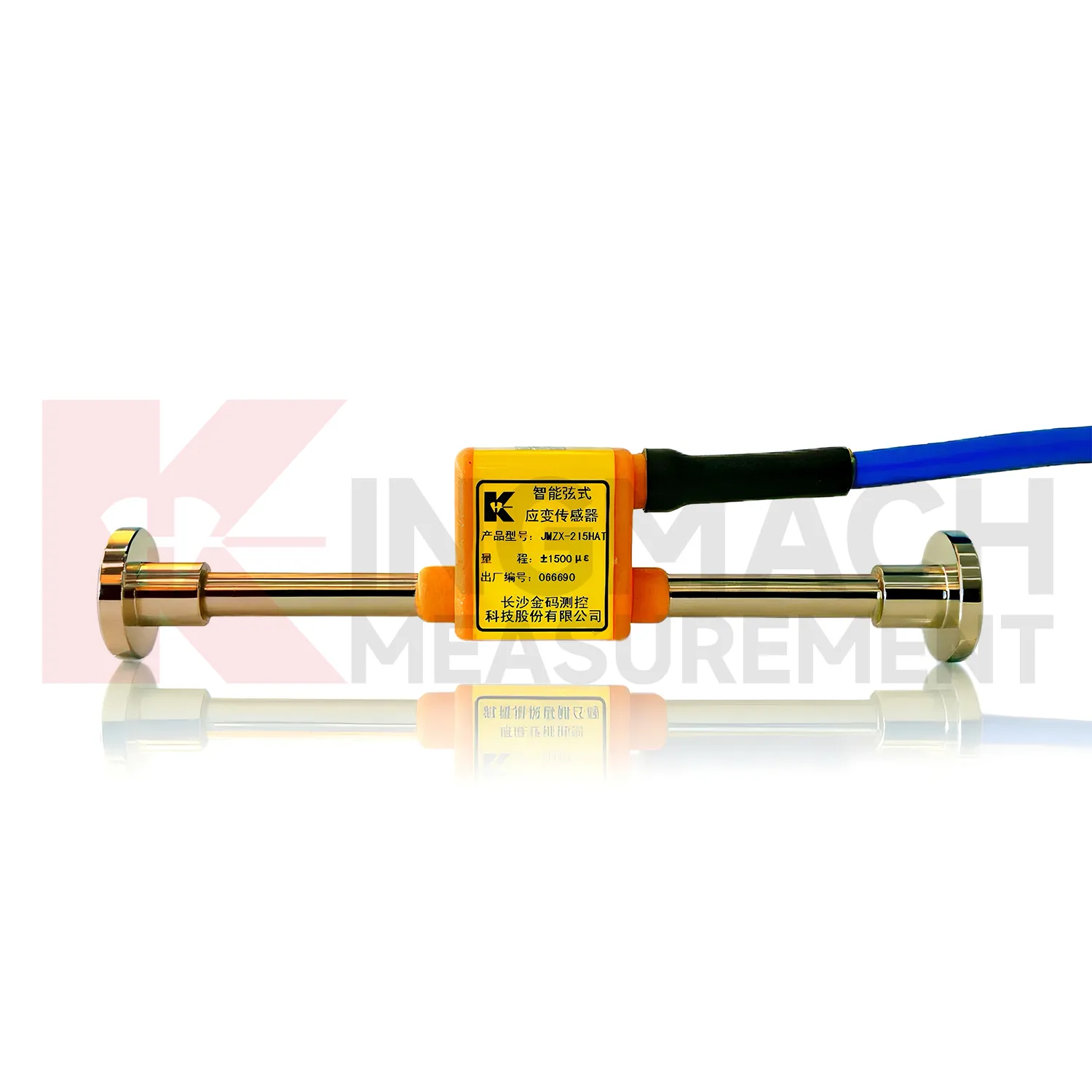
Smart vibrating wire strain gauge (embedment model) JMZX-215HA/215HAT/HB
View Details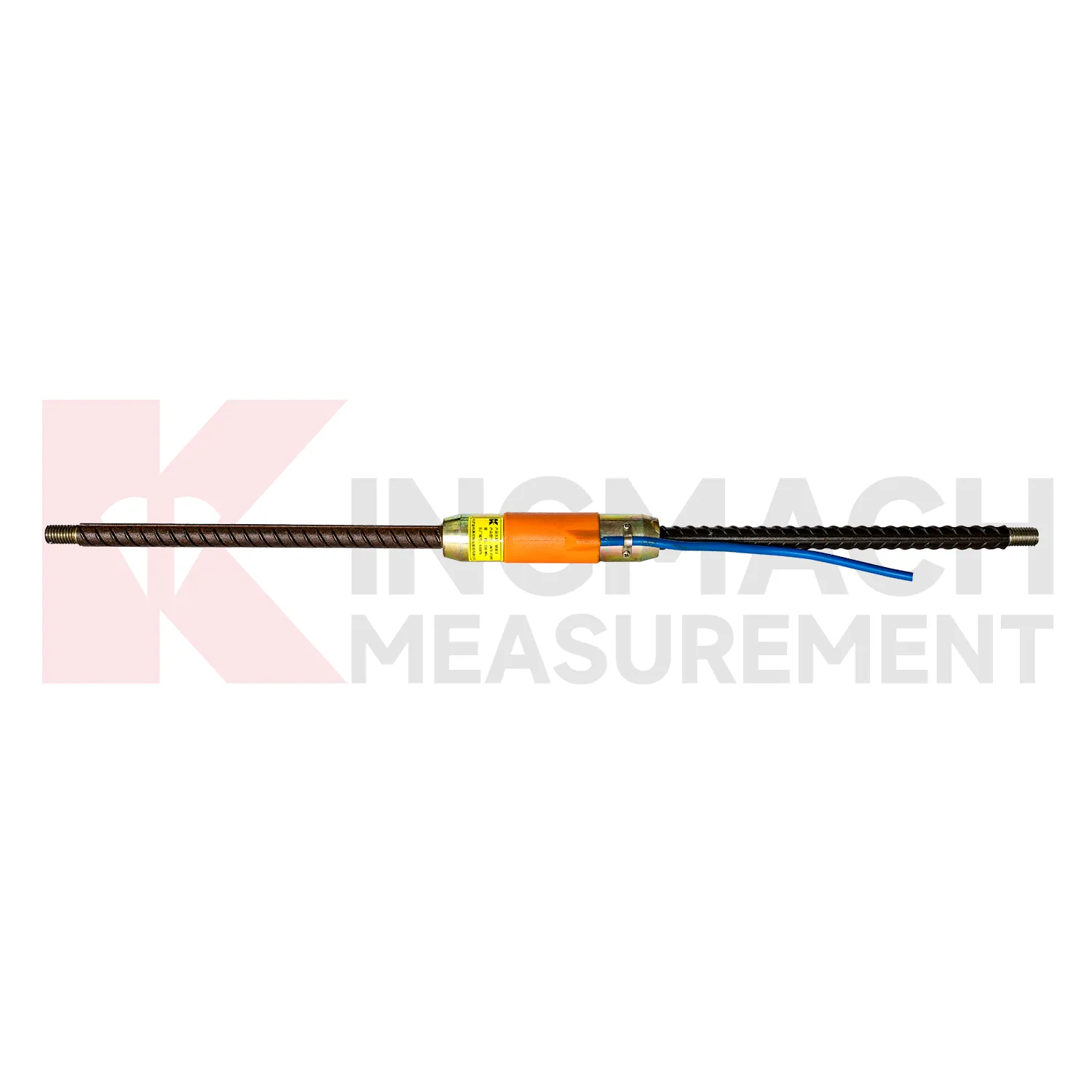
Rebar Strainmeters ( VW & Smart Type) JMZX-4XXHAT/HB
View Details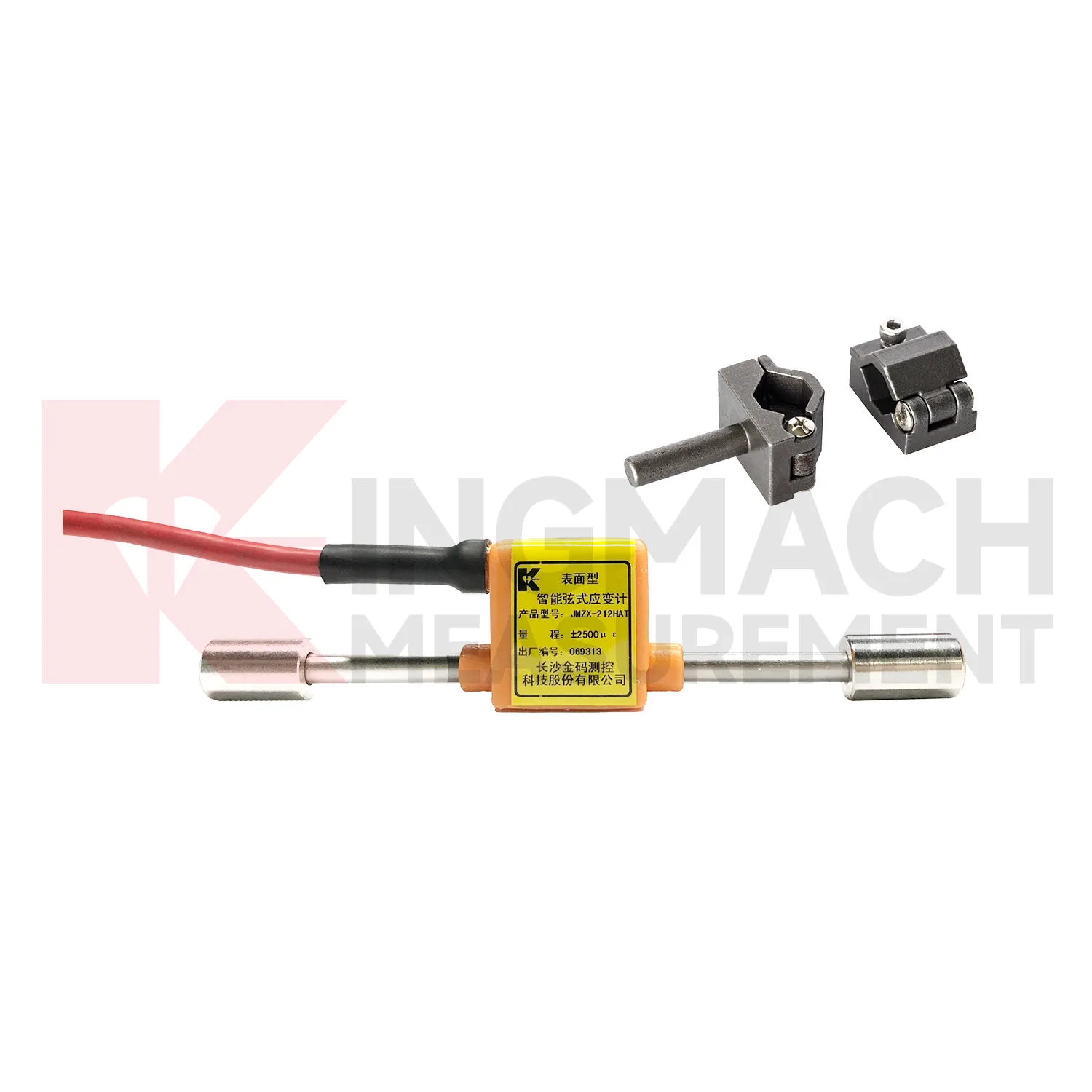
Smart vibrating wire strain gauge (surface model) JMZX-212HAT/HB
View DetailsFAQ
Yes, but you need to prep the surface first. Grind down high spots, fill pores with epoxy, then sand smooth. We can include a surface preparation kit with your order: adhesive, sandpaper, and cleaning wipes. If the concrete is too uneven, consider using an embedment strain gauge; we cast it right into the concrete during pouring.
Foil gauges are more stable over months and years, and they cost less. Semiconductor types have a gauge factor maybe 50 to 80 times higher, so they pick up microstrains that foil would miss. The tradeoff is that semiconductor sensors drift more with temperature and are more fragile. Most of our structural monitoring clients stick with foil unless they're measuring dynamic strain in lab conditions.
We ship sensors with a calibration sheet that lists the exact gauge factor and resistance. Your datalogger needs to support strain-gauge inputs, usually a Wheatstone bridge circuit. Wire the three or four leads according to the color code on the sheet, and set the bridge configuration in the logger's software. If you get stuck, our support team can check your wiring diagram by email.
Yes. Standard is 3 meters, but we can attach up to 50-meter shielded cables from the factory. Just tell us the length when you request a quote. Extra-long cables add lead resistance, so we switch to a three-wire quarter-bridge connection to compensate. No extra charge for the wiring change.
Share your product type, target capacity, and application requirements. Our team can review the details and recommend a practical next step.
Related Keywords
If you are interested in our products or want to become our partner.
Please leave your contact information, our team will contact you as soon as possible.
Mail: [email protected]
Contact Us: +8613808434127
Address: No. 188 Tongzipo West Rd, Changsha, Hunan, China