
 EN
EN
 ar
ar bg
bg hr
hr cs
cs da
da nl
nl fi
fi fr
fr de
de el
el hi
hi it
it ko
ko no
no pl
pl pt
pt ro
ro ru
ru es
es sv
sv tl
tl iw
iw id
id lv
lv lt
lt sr
sr sk
sk sl
sl uk
uk vi
vi et
et hu
hu th
th tr
tr fa
fa ms
ms hy
hy ka
ka ur
ur bn
bn mn
mn ta
ta kk
kk uz
uz ku
ku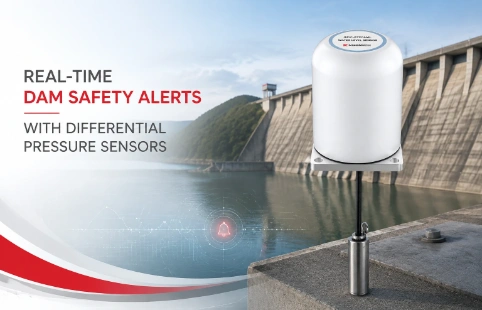
Real-Time Dam Safety Alerts with Differential Pressure Water Level Sensors
Key Takeaways An alert chain needs more than a sensor: define field in...

Piezoelectric Accelerometer: From Lab to Harsh Environments
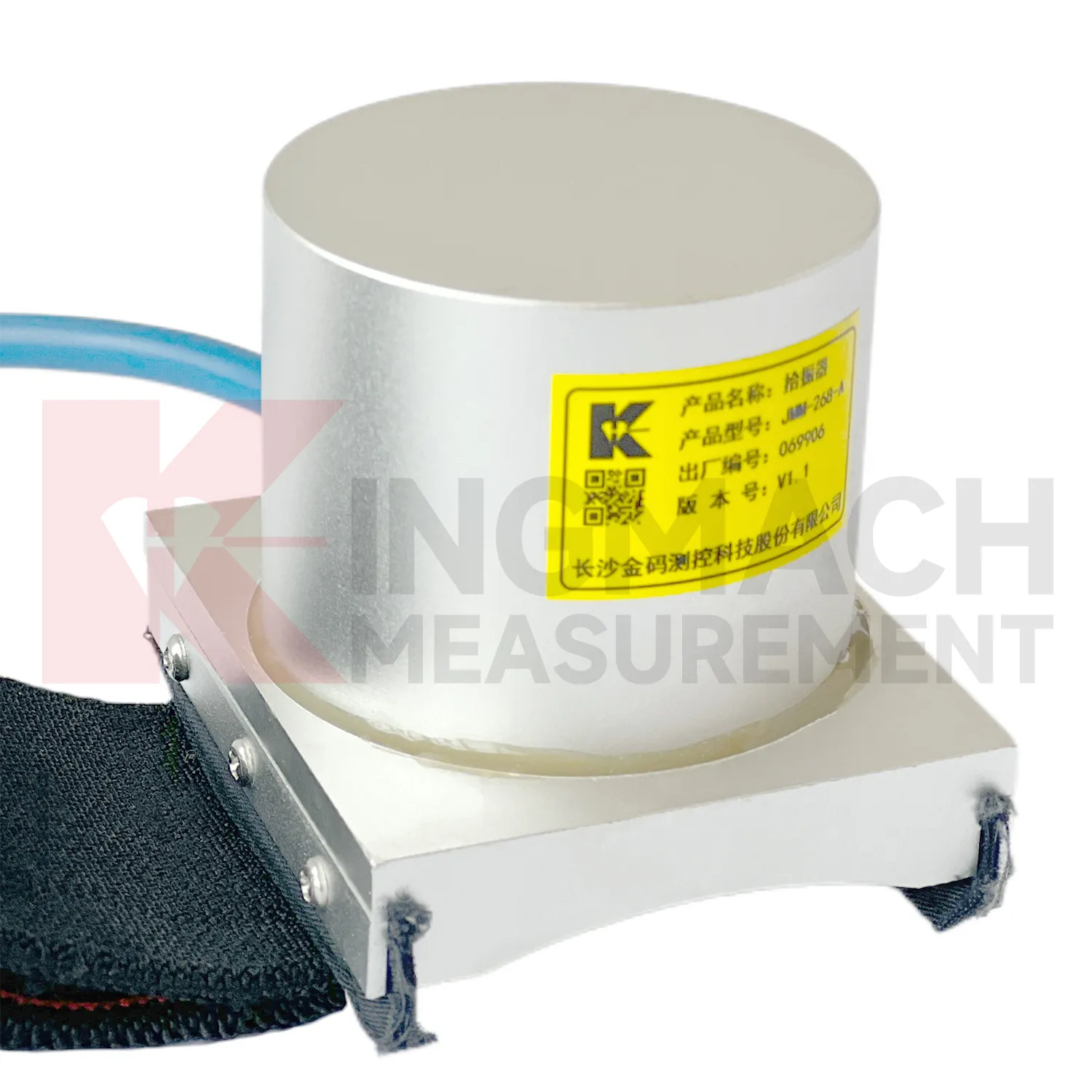
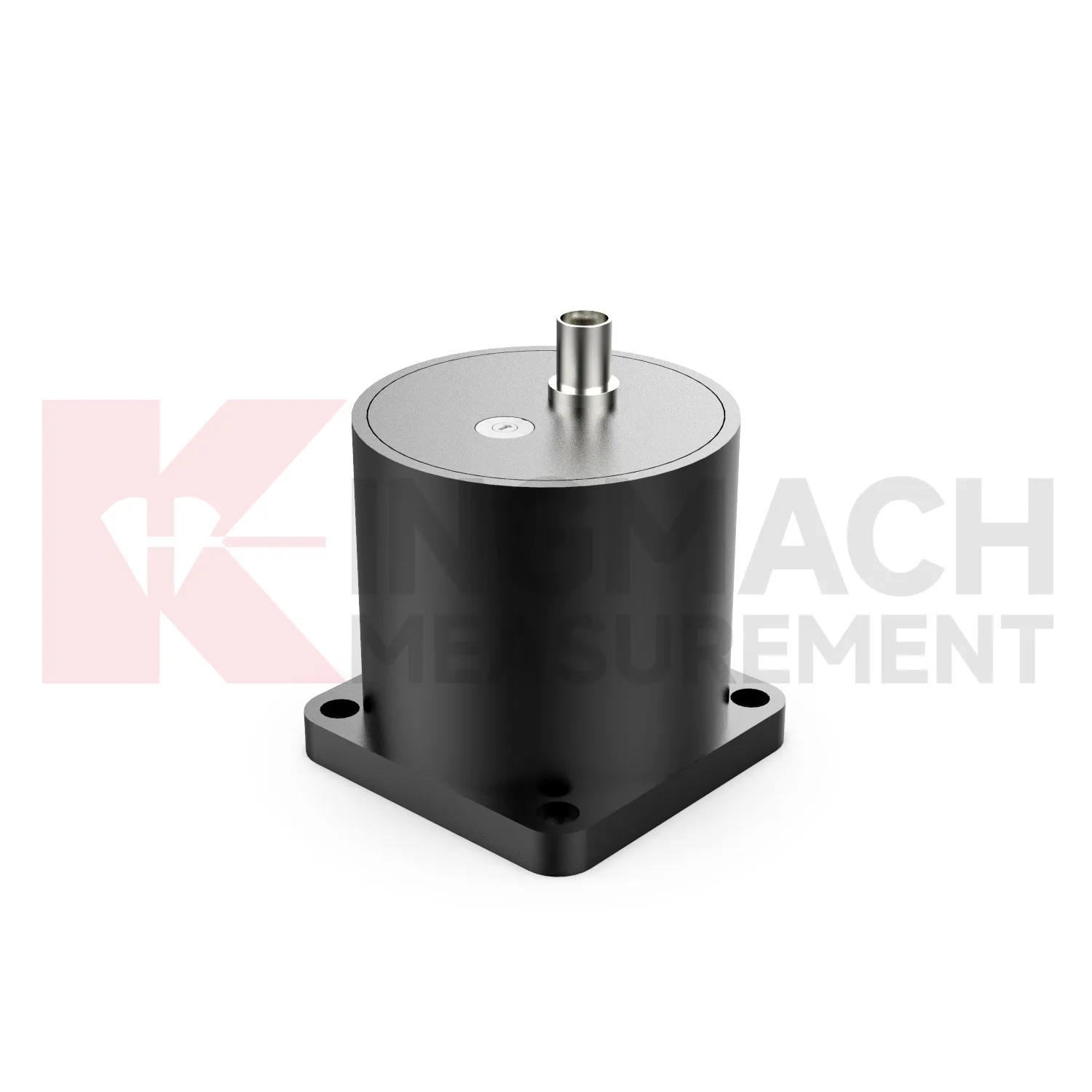
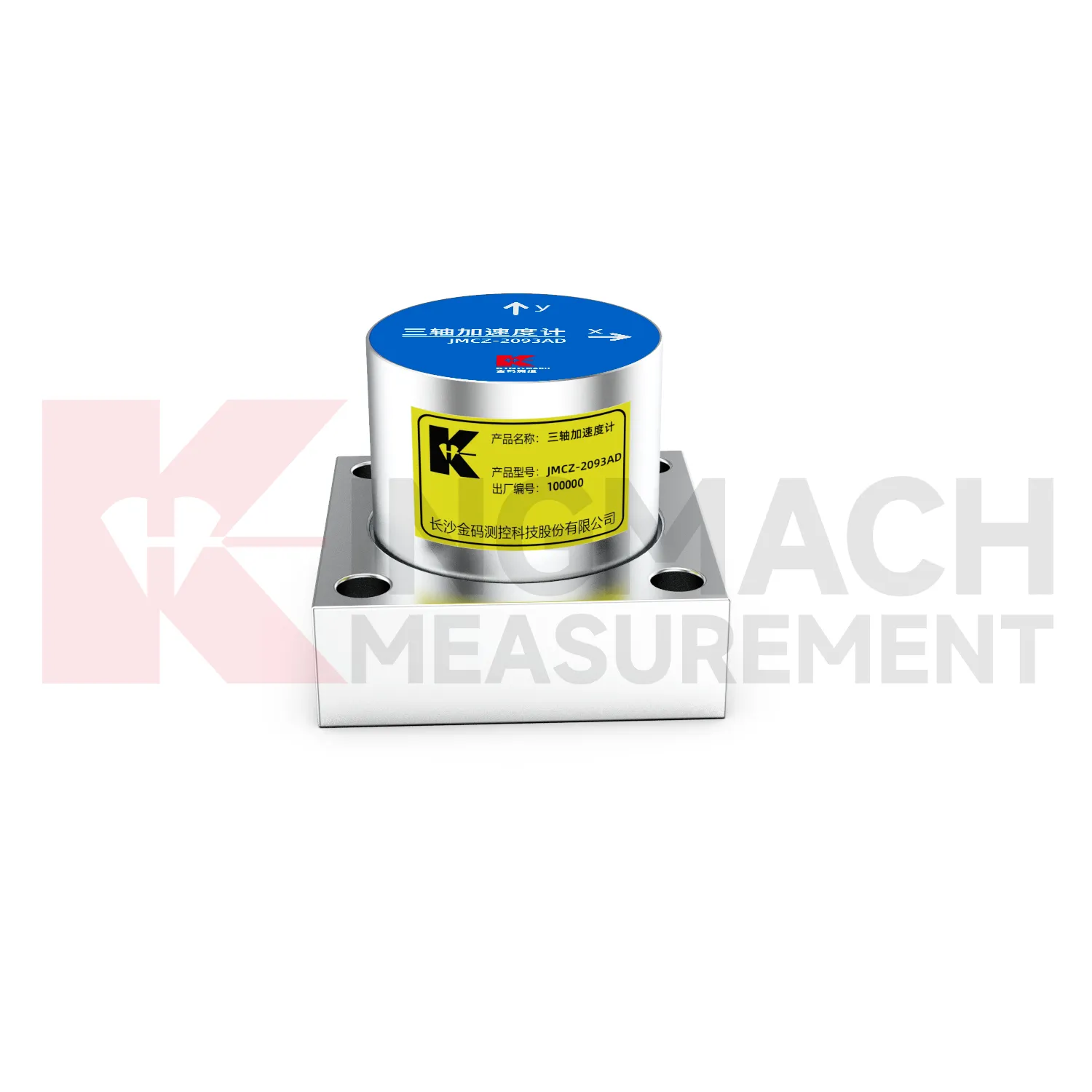
Machine downtime in a production line can cost more than the repair itself. Plant managers often turn to vibration monitoring to catch early signs of bearing wear or imbalance. A piezoelectric accelerometer is the sensor behind many of these systems, converting mechanical motion into an electrical signal that can be analyzed for condition trends. Kingmach supplies these accelerometers to integrators and maintenance teams. We build them for broad frequency response and sensitivity that picks up subtle changes in rotating equipment. Our range includes both charge-mode and IEPE types, and we often customize cable lengths or mounting adapters for specific machine access. Instead of one-size-fits-all, we work with you on sensor placement and signal compatibility so the data you get is actually useful. This page walks through what our accelerometers offer and how they fit into real-world setups.
Technical Detail
A piezoelectric accelerometer works by using a crystal that generates an electric charge when stressed by vibration. Kingmach sensors use shear-mode designs that isolate the crystal from thermal and base-strain effects, helping keep readings stable when machine temperatures fluctuate during operation. Typical sensitivity values in our standard line range around 100 mV/g for general industrial use, with upper frequency limits reaching 2 to 5 kHz—enough to capture most gear mesh and bearing signatures. The stainless steel housing and hermetic sealing hold up to dusty, wet, or mildly corrosive factory environments. Output options include IEPE (2-wire) with built-in impedance conversion, or charge output for high-temperature applications where the external charge amplifier sits away from the hot zone. Beyond the datasheet, we focus on what happens during installation: sensor orientation, magnetic versus stud mounts, cable routing under vibration—these practical choices influence data quality more than a tenth of a millivolt spec difference. Kingmach’s application engineers routinely review customer specs and suggest configurations that have performed well in similar rotating machinery, such as pumps, fans, and gearboxes. We also maintain stock of common mounting hardware and accessories to shorten lead times. Custom calibrations and branded labeling for OEMs are available on request.
News
Key Takeaways An alert chain needs more than a sensor: define field in...
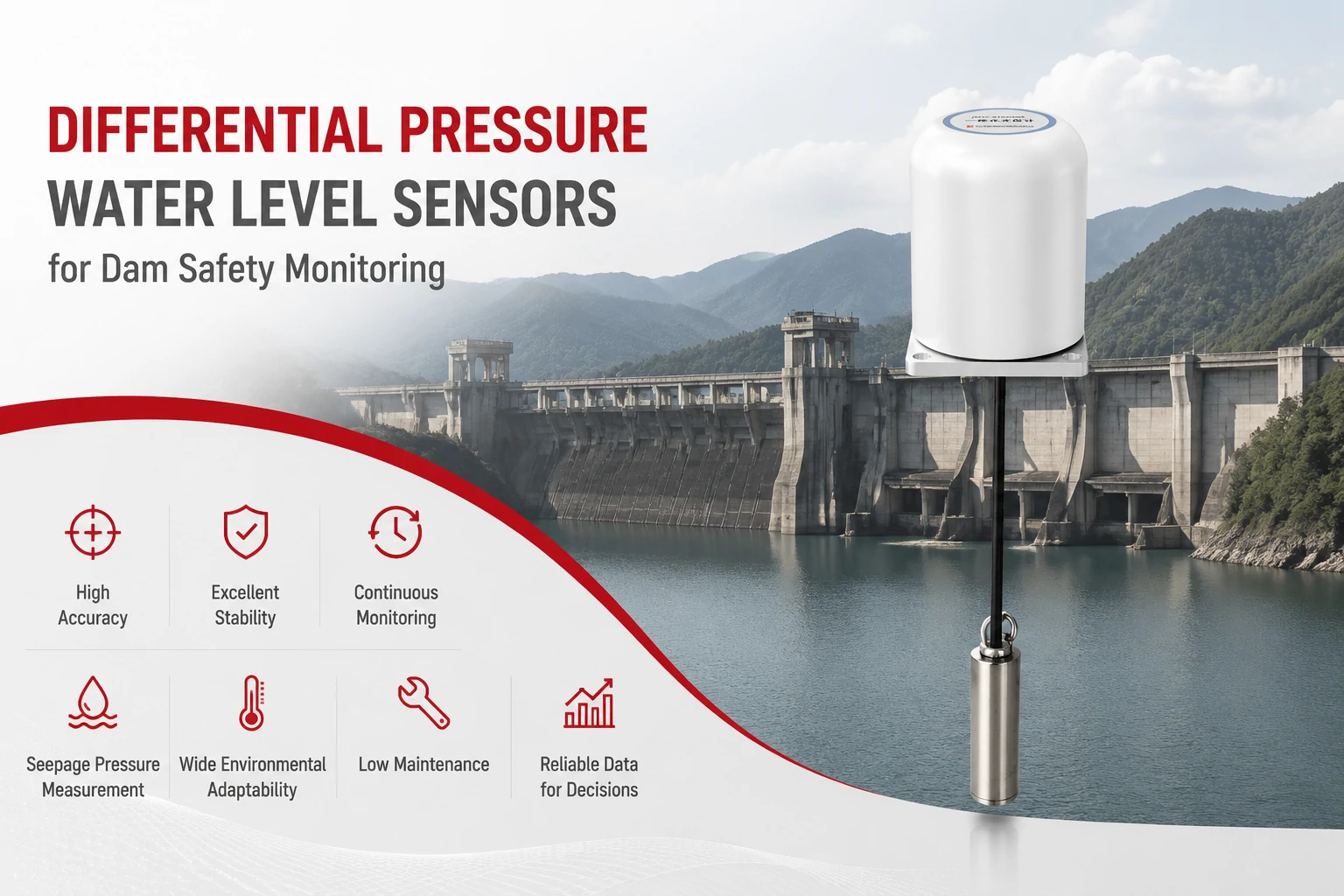
Key Takeaways The strongest fit is usually a confined, submerged, or s...
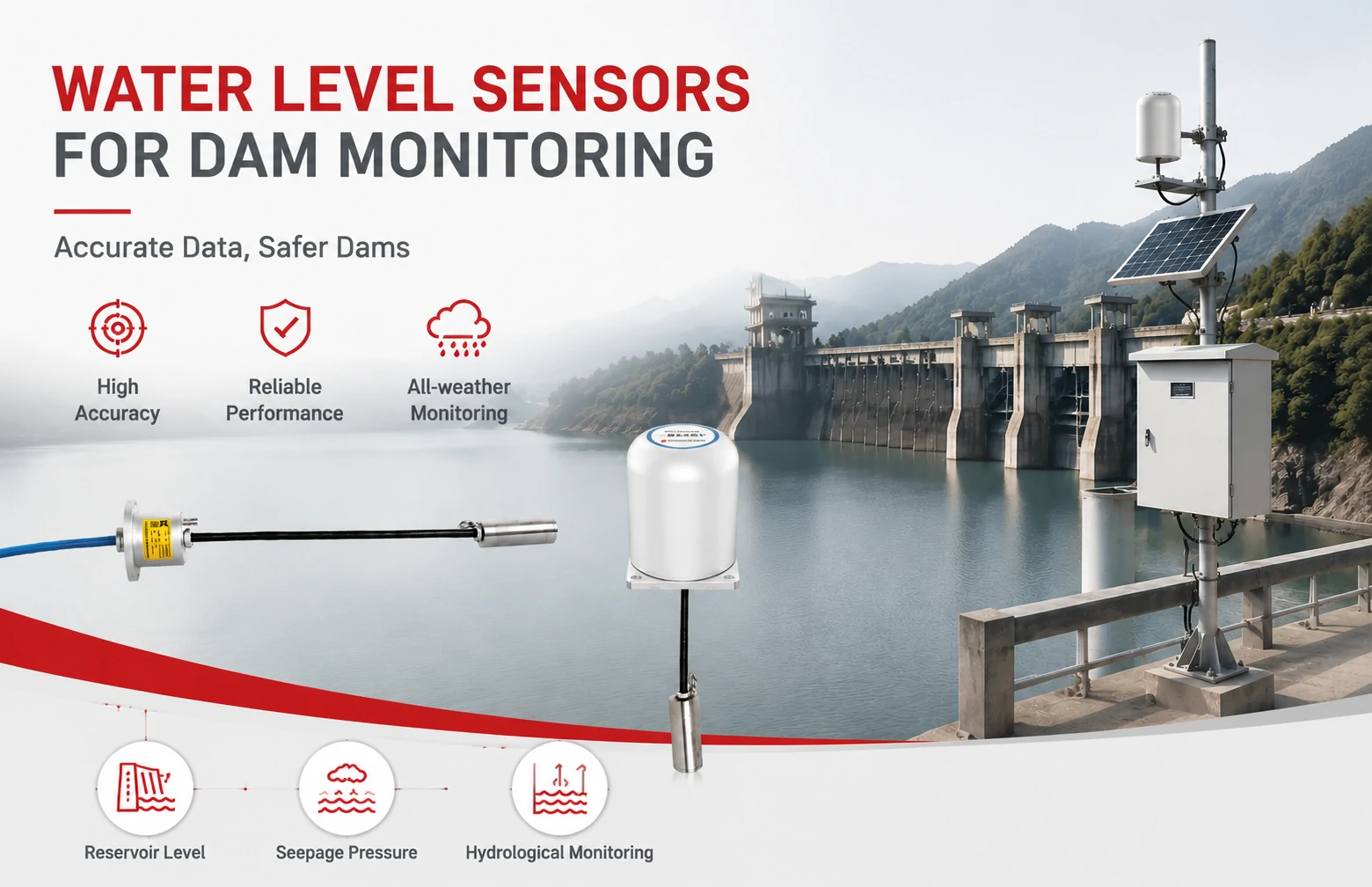
Kingmach Water Level Sensors for Dam Monitoring: A Buyer's Guide to Differential Pre...
Products
FAQ
In Kingmach's standard line, sensitivity is often near 100 mV/g, and the usable frequency range typically spans 0.5 Hz to 5 kHz, depending on the model. The actual flat response region is narrower, so you would choose based on the dominant frequencies of your machine. We provide frequency response plots with each sensor to confirm coverage.
IEPE sensors simplify cabling and work with common data acquisition systems, making them the default for most condition monitoring. Charge-output types handle higher temperatures (often above 120°C) and are used when the sensor must be close to a heat source. The trade-off is the need for a separate charge amplifier. Our team can help you decide based on your operating temperature and existing hardware.
Yes, our accelerometers with IP67-rated connectors and robust cable assemblies are suited for outdoor installations, for example on wind turbine transmissions or remote pumping stations. Proper cable sealing and UV-resistant jacket options ensure long-term reliability. We can recommend configurations that have lasted years in similar field conditions.
Stud mounting gives the stiffest coupling and highest frequency response. Magnets are convenient for portable monitoring but limit upper frequency and may slip under high vibration. Adhesive mounting is sometimes used on flat surfaces for lower-frequency work. We supply compatible magnetic bases and studs, and share practical mounting tips from field experience.
Share your product type, target capacity, and application requirements. Our team can review the details and recommend a practical next step.
If you are interested in our products or want to become our partner.
Please leave your contact information, our team will contact you as soon as possible.
Mail: [email protected]
Contact Us: +8613808434127
Address: No. 188 Tongzipo West Rd, Changsha, Hunan, China