
 EN
EN
 ar
ar bg
bg hr
hr cs
cs da
da nl
nl fi
fi fr
fr de
de el
el hi
hi it
it ko
ko no
no pl
pl pt
pt ro
ro ru
ru es
es sv
sv tl
tl iw
iw id
id lv
lv lt
lt sr
sr sk
sk sl
sl uk
uk vi
vi et
et hu
hu th
th tr
tr fa
fa ms
ms hy
hy ka
ka ur
ur bn
bn mn
mn ta
ta kk
kk uz
uz ku
ku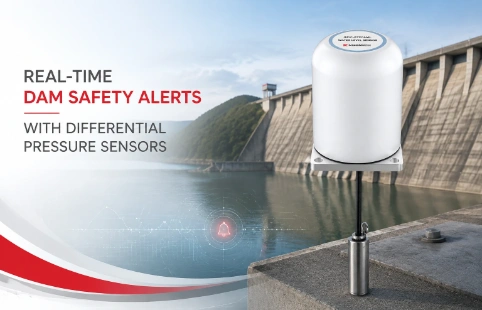
Real-Time Dam Safety Alerts with Differential Pressure Water Level Sensors
Key Takeaways An alert chain needs more than a sensor: define field in...

Load Cells Manufacturers You Can Rely On
Sourcing load cells from manufacturers that truly grasp application realities isn’t always straightforward. Too often, standard catalog specs don’t align with actual job site demands. That gap between datasheet and deployment is where Kingmach comes in. We’re not just a load cells manufacturer with a long product list—our focus stays on geotechnical and structural monitoring, where loads shift, environments punish, and data has to be right the first time. Our production floor handles everything from strain gauge to vibrating wire cells, and we’ve set up our procurement and assembly with enough slack to absorb project rushes without cutting corners. Over the years, we’ve seen what breaks in the field, so our design cycle includes feedback loops from site engineers who actually install the things. The result? Load cells that ship with fewer surprises. We maintain mid-range pricing, but the build consistency and the support behind it lean toward the higher end of what you’d expect. Whether you’re instrumenting a dam, a bored pile, or a retaining wall, it helps to work with a manufacturer that treats your project’s data integrity as its own business.
Technical Detail
Kingmach sits in that middle ground where practicality meets industrial-grade reliability. As a load cells manufacturer based in China with a global distributor network, we’ve learned that the quickest way to lose repeat business is to ship an instrument that drifts or dies on first rainfall. That’s why our internal manufacturing steps don’t rely on third-party calibration houses—every unit gets checked against traceable references on our own benches before it leaves. The product range moves from compact compression-only cells for anchor testing to multi-string vibrating wire cells for real-time tunnel monitoring. Not every configuration appears in a brochure; many of our long-term clients run custom capacities, cable lengths, or mounting geometries that we tune to the job. Instead of a rigid price list, we quote with a breakdown that shows where your money goes—whether it’s the sensing element, the environmental sealing, or the logging interface. This transparency tends to help engineers who have been burned by hidden costs before. We keep a healthy buffer of raw components, so even medium-volume orders don’t stretch lead times into uncomfortable territory. Technical queries don’t get handed off to a chatbot; our application engineers actually read your borehole logs or structural drawings before recommending a setup. It’s a deliberate choice to stay focused on geotechnical and structural health monitoring rather than chase every industrial sector. That focus means we’ve built a body of field knowledge that generic catalog suppliers rarely accumulate. If you’re comparing load cells manufacturers, think beyond unit price and look at who’s going to answer your call when readings don’t add up. We’ve built our reputation on being that second pair of eyes.
News
Key Takeaways An alert chain needs more than a sensor: define field in...
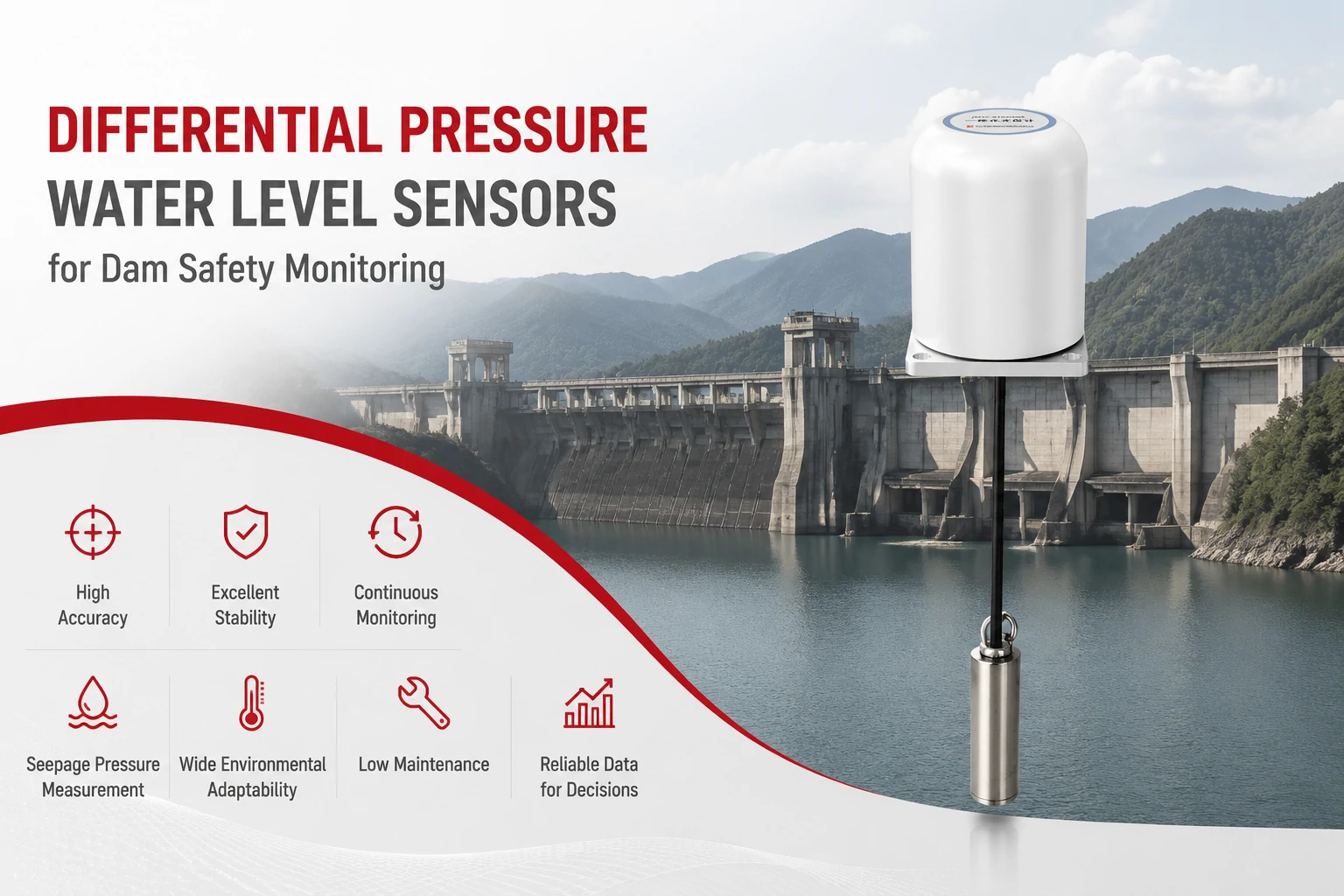
Key Takeaways The strongest fit is usually a confined, submerged, or s...
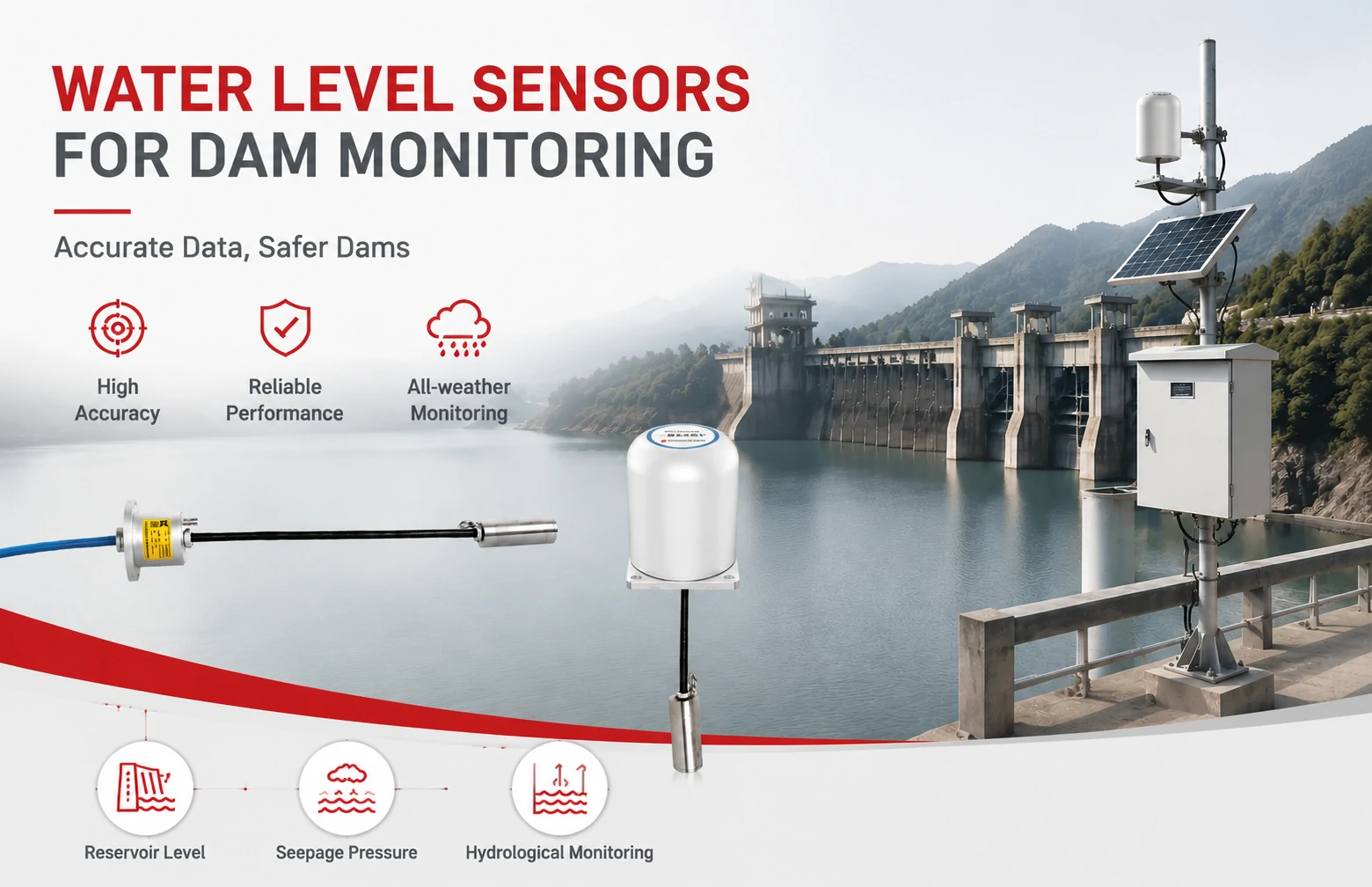
Kingmach Water Level Sensors for Dam Monitoring: A Buyer's Guide to Differential Pre...
Products
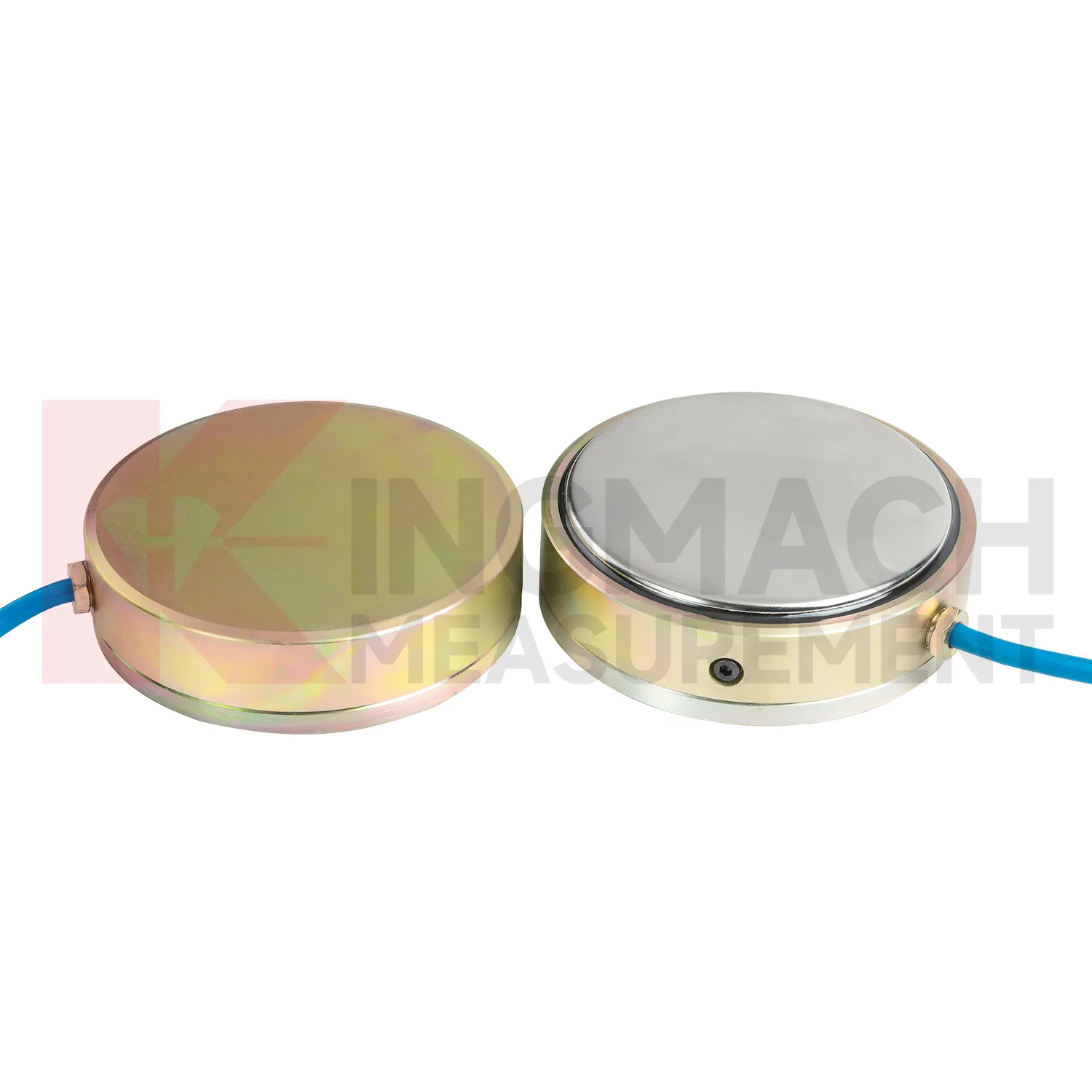
Large Earth Pressure Cell ( VW & Smart Type) JMZX-51XXAT/ ATM
View Details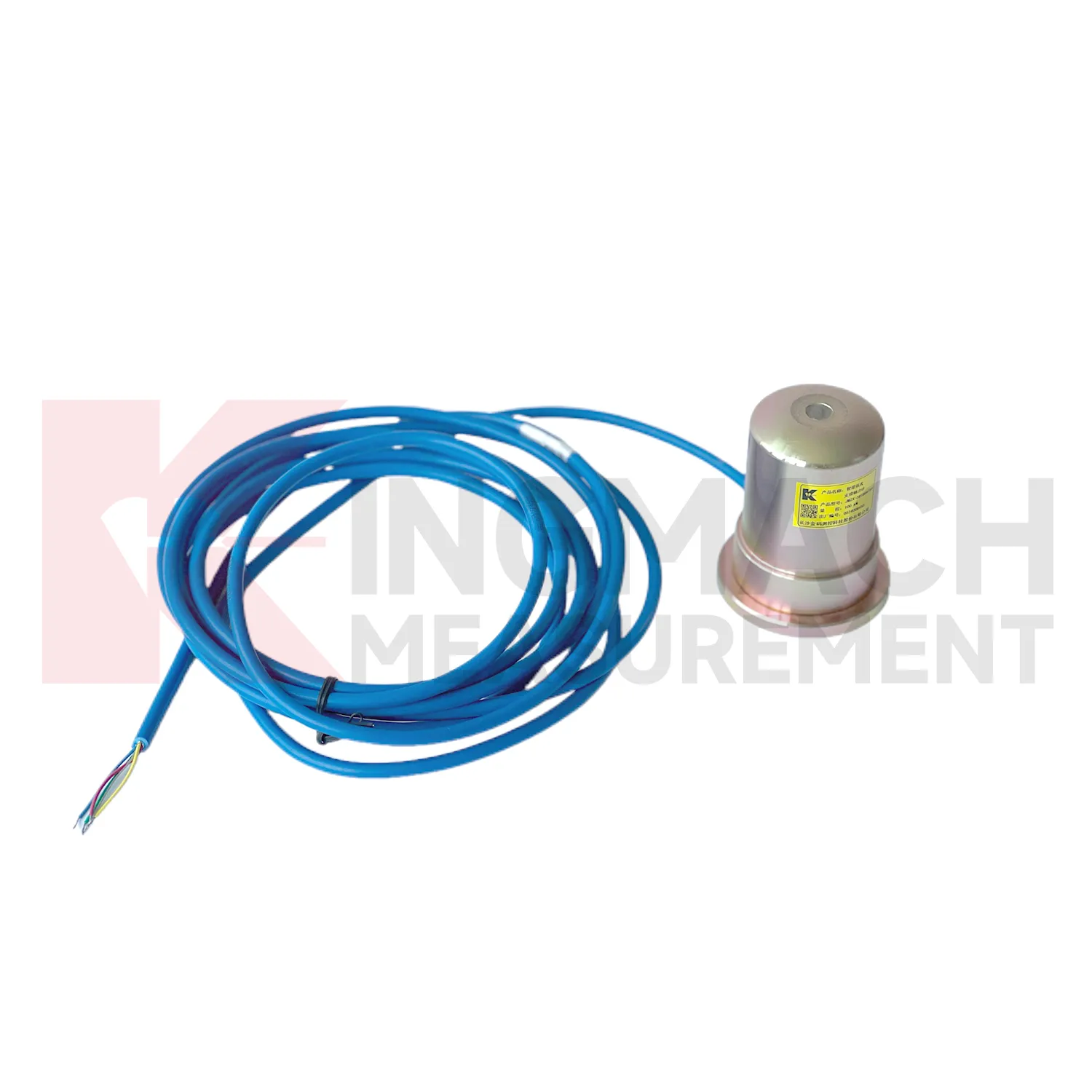
Smart Formwork Axial Force Meter(VW)JMZX-39XXHAT
View Details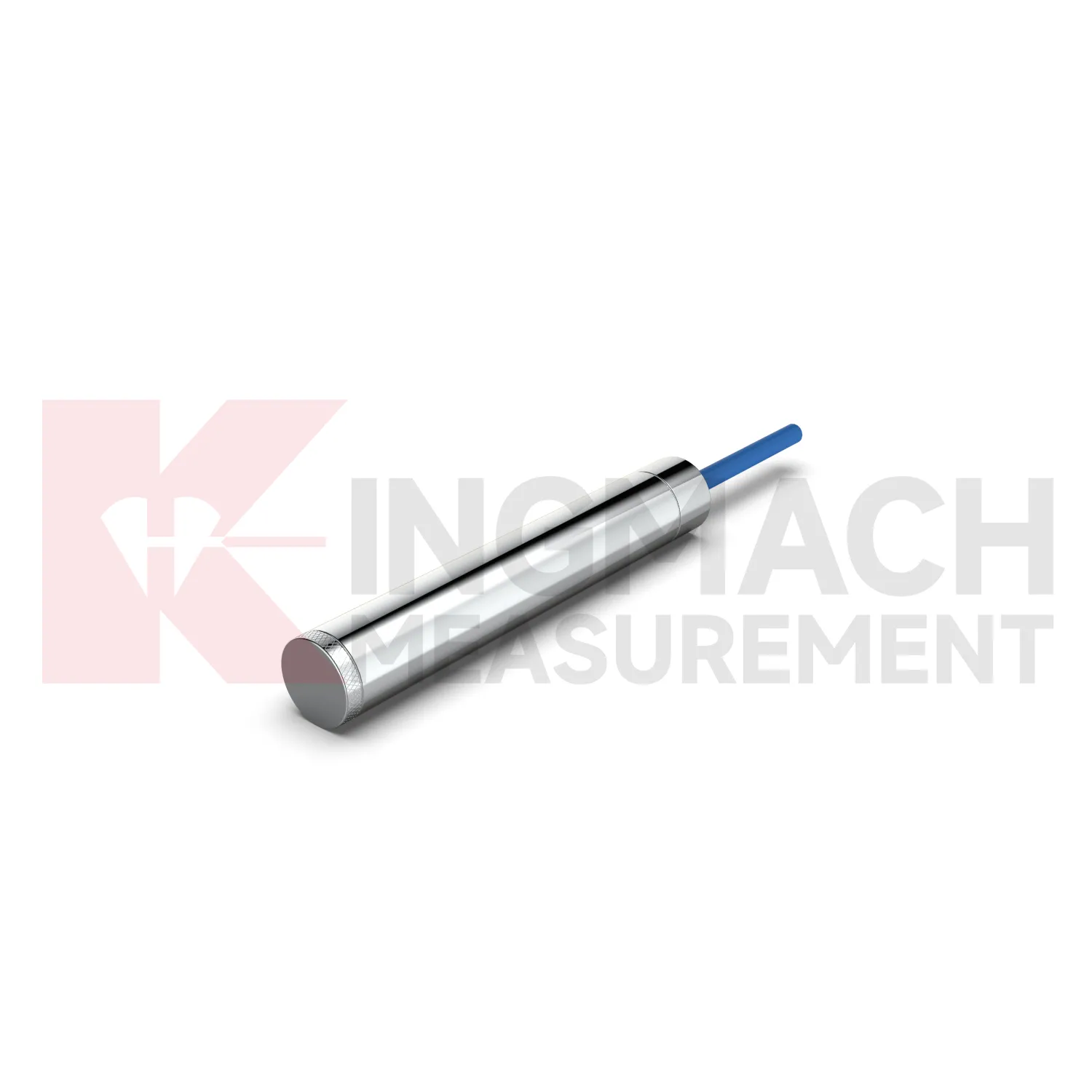
Smart Vibrating Wire PiezometerSmart Piezometers (VW) JMZX-55XXHAT
View DetailsFAQ
We mainly produce strain gauge and vibrating wire load cells shaped for geotechnical and structural jobs—think anchor load cells, center-hole cells for rock bolts, and low-profile compression cells for pile testing. Many variants are born from custom requests, so if a standard model doesn’t fit, we often adapt the housing or sealing without reinventing the sensing core.
We keep raw materials and critical subcomponents in stock for our standard configurations. That buffer, combined with in-house calibration, usually trims weeks off what you’d expect from a build-to-order cycle. Rush orders get flagged at the workshop level so they move without skipping test steps—we’d rather tell you an honest later date than ship a unit that hasn’t passed all checks.
You’re not just buying a sensor; you’re buying the ability to troubleshoot. Our team can walk your crew through wiring, check data plausibility remotely, or recommend a replacement wiring scheme when the original plan meets buried obstacles. We don’t have an expiry date on technical help—calls from projects three years into monitoring are as normal for us as the pre-shipment checks.
Consistency starts with controlled manufacturing under one roof. We calibrate every cell against NIST-traceable references, log the coefficients, and tag the sensor so we can look up its history later. Between batches, we run spot checks that simulate thermal cycles and overload scenarios. It’s not glamorous, but it’s what keeps long-term drift within acceptable bands.
A lot of manufacturers can sell you a cell; fewer stay involved when readings don’t match expectations. We’ve organized our workflow so that an engineer who understands geotechnical behavior reviews your application before quoting. Combined with internal calibration and a distributor network that stocks common spares, it tends to mean faster problem resolution and fewer finger-pointing matches when deadlines are tight.
Share your product type, target capacity, and application requirements. Our team can review the details and recommend a practical next step.
If you are interested in our products or want to become our partner.
Please leave your contact information, our team will contact you as soon as possible.
Mail: [email protected]
Contact Us: +8613808434127
Address: No. 188 Tongzipo West Rd, Changsha, Hunan, China