
 EN
EN
 ar
ar bg
bg hr
hr cs
cs da
da nl
nl fi
fi fr
fr de
de el
el hi
hi it
it ko
ko no
no pl
pl pt
pt ro
ro ru
ru es
es sv
sv tl
tl iw
iw id
id lv
lv lt
lt sr
sr sk
sk sl
sl uk
uk vi
vi et
et hu
hu th
th tr
tr fa
fa ms
ms hy
hy ka
ka ur
ur bn
bn mn
mn ta
ta kk
kk uz
uz ku
ku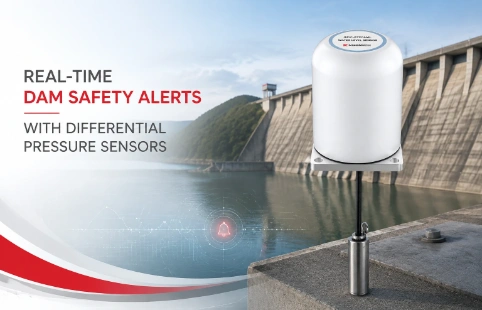
Real-Time Dam Safety Alerts with Differential Pressure Water Level Sensors
Key Takeaways An alert chain needs more than a sensor: define field in...

Load Cell Force Gauges That Work Where You Do
A load cell force gauge sits at the intersection of sensor and decision — converting mV/V or mA signals into force values you can act on. In geotechnical work, that might mean tracking anchor loads on a retaining wall or monitoring strut forces during excavation. In a lab, it’s checking tension on a test specimen. Kingmarch builds these gauges to stay readable in direct sun, stable after hours of logging, and straightforward to configure without a manual in hand. We pay attention to things like excitation voltage options, filtering against electrical noise, and housing that survives a damp morning on site. Our customers often run them from a 12 V battery, so low power draw matters. You’ll find relay outputs for over‑limit alarms, RS‑485 for data collection, and simple keypad‑based calibration. It’s the kind of instrument that becomes the reliable middleman between a load cell and your laptop — and that’s exactly what we aim for.
Technical Detail
Kingmarch load cell force gauges are built around the idea that a display should make your sensor data more useful, not more complicated. As a manufacturer focused on geotechnical and structural monitoring, we see these gauges as companions to our pressure cells, load cells, and strain gauges — not an afterthought. Each gauge accepts standard strain‑gauge bridge inputs (typically 2 mV/V or 3 mV/V) as well as 4–20 mA transmitters, so you can connect it to most load cells on the shelf or in the ground. The front panel gives you a 5‑digit LED readout, peak hold, and simple threshold settings that trigger a relay when force goes outside your window. That relay can drive a warning light or stop a motor — useful on a construction site where nobody is staring at the screen. Inside, the circuitry uses 24‑bit ADC conversion with selectable sampling rates, balancing noise rejection against update speed. Excitation is selectable between 5 V and 10 V, which covers a wide range of sensor impedances. For field work, the gauge can be powered from 10–30 V DC or an internal lithium battery pack; current consumption stays under 0.5 W, so a small battery lasts a shift. Enclosures are rated IP65, with cable glands that grip tight even after temperature swings. We’ve also added an RS‑485 port with Modbus RTU protocol — helpful when the gauge becomes part of a larger SCADA or datalogger setup. Because many monitoring jobs aren’t off‑the‑shelf, we offer customization on scaling, linearization points, and display units (kN, kgf, lbf, etc.). Our support team can pre‑configure units before shipping, walking through sensor calibration with your team remotely. From a single gauge for a laboratory test frame to a batch of 50 heading to a tunnel monitoring project, we treat consistency as a feature — same firmware, same components, same testing before dispatch. We also stock spare connectors and signal conditioners, so you’re not stuck waiting for a niche part. If your project demands a load cell force gauge that does exactly what the data sheet says, without surprises, Kingmarch is a solid place to start the conversation.
News
Key Takeaways An alert chain needs more than a sensor: define field in...
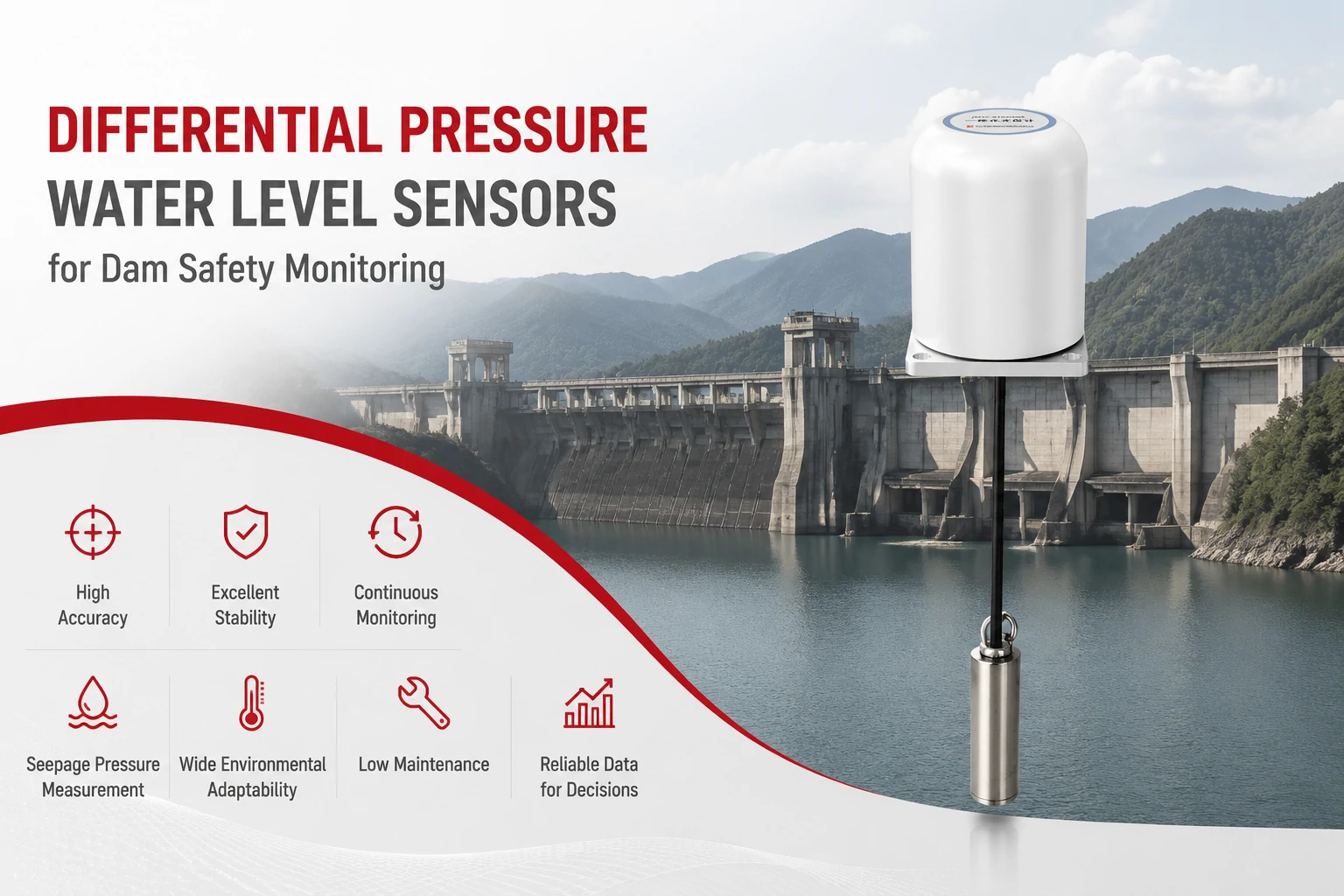
Key Takeaways The strongest fit is usually a confined, submerged, or s...
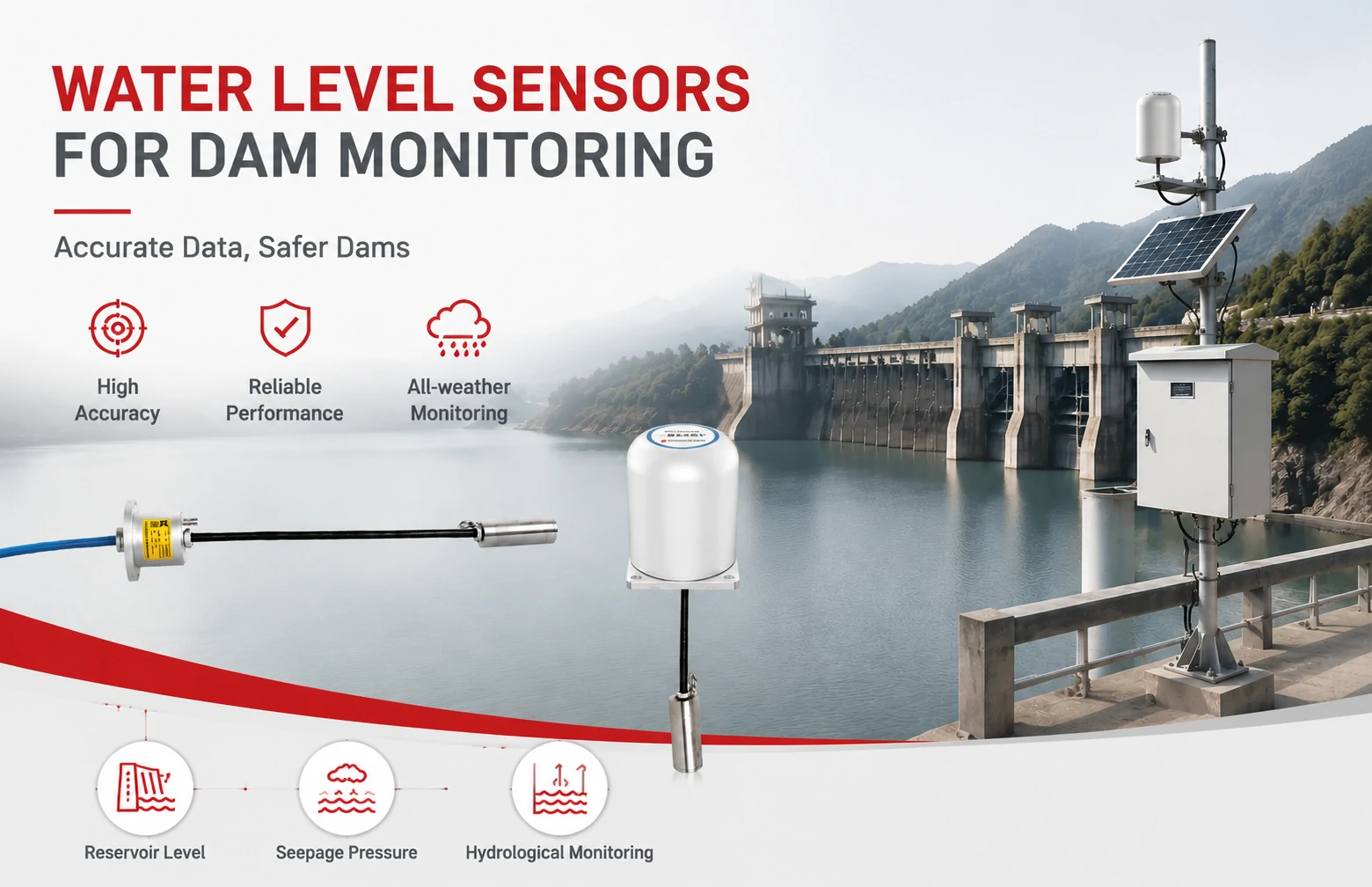
Kingmach Water Level Sensors for Dam Monitoring: A Buyer's Guide to Differential Pre...
Products
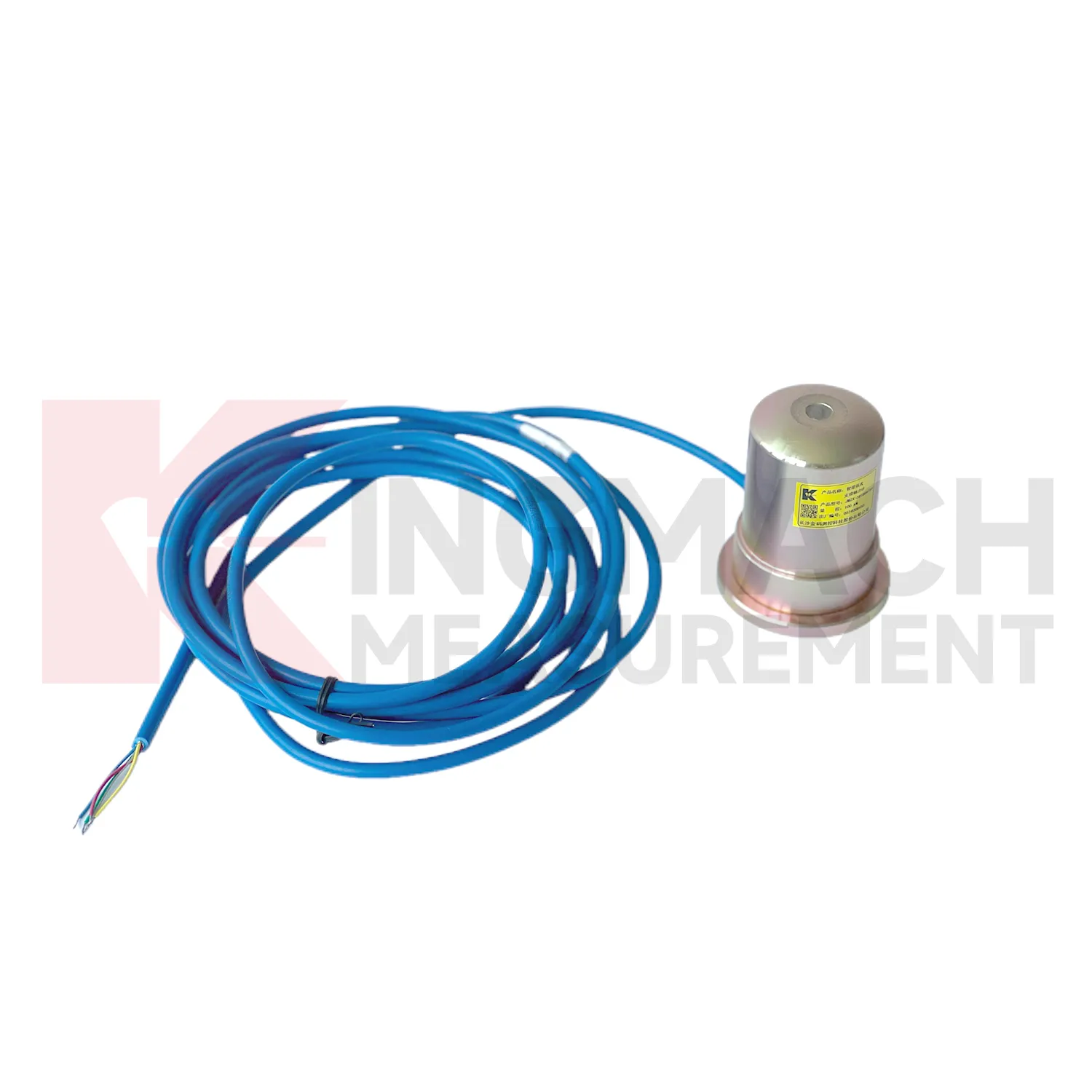
Smart Formwork Axial Force Meter(VW)JMZX-39XXHAT
View Details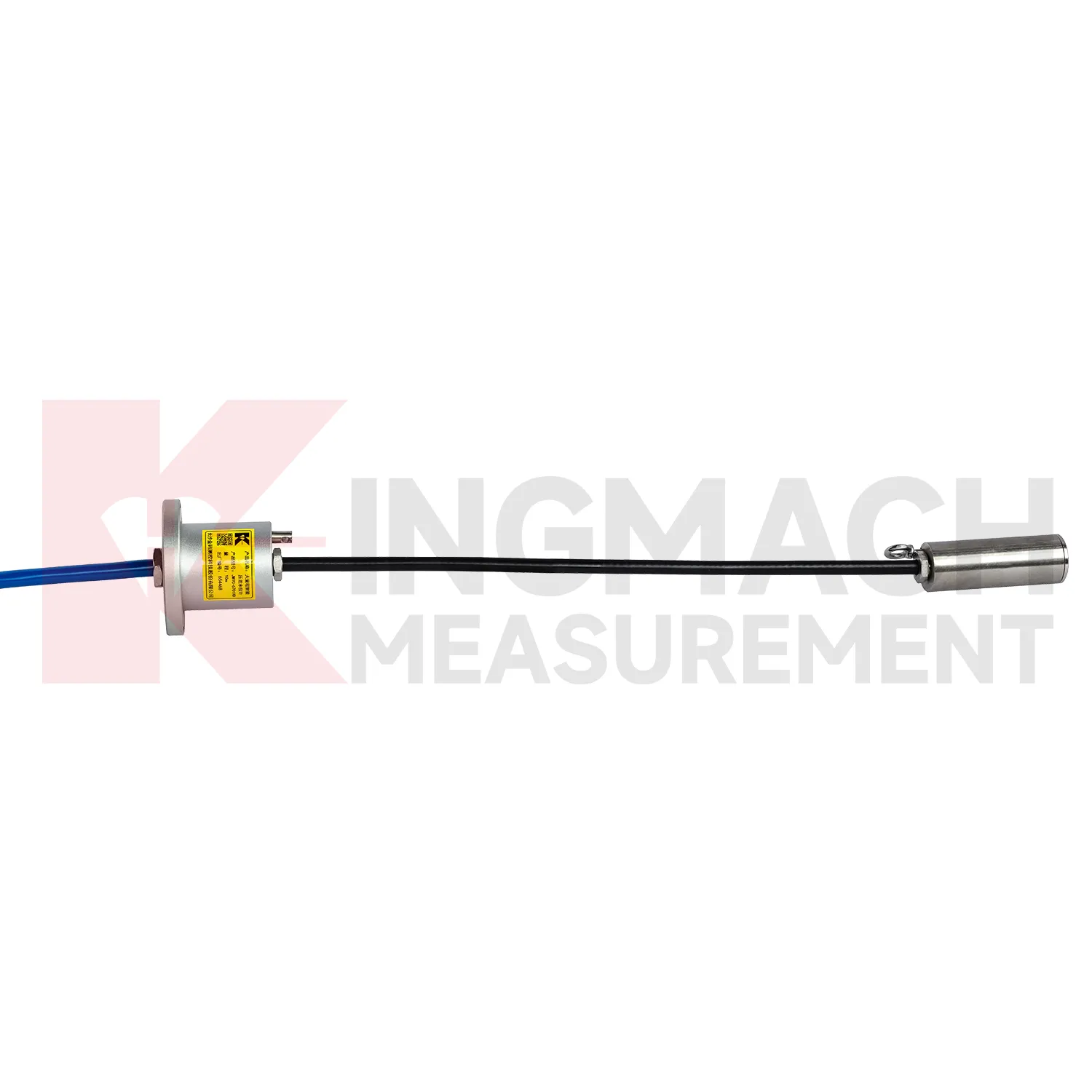
Wide-Range Smart Differential Pressure Water Level Meter JMYC-67XXAD
View Details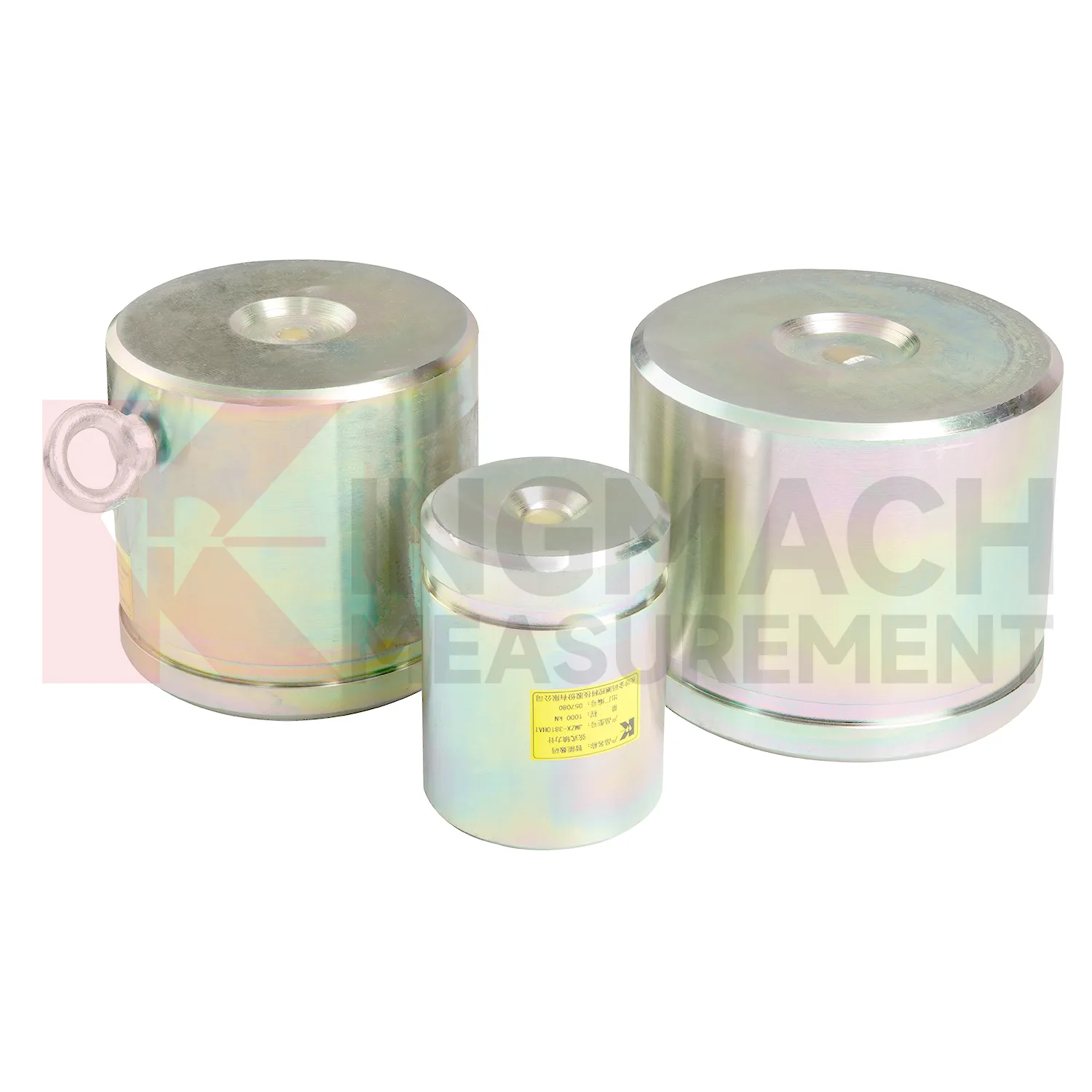
Axial Force Load Meter ( VW & Smart Type)JMZX-38XXHAT
View DetailsFAQ
You can connect most full‑bridge strain‑gauge load cells with an output of 1–3 mV/V and an impedance between 350 Ω and 1000 Ω. The gauge supplies 5 V or 10 V excitation, and there is a 4‑wire (or 6‑wire) terminal block. It also accepts 4–20 mA loop‑powered sensors; you just move a jumper inside the case to enable the 24 V loop supply.
Yes. The standard model operates from 10–30 V DC, so a 12 V lead‑acid or 24 V lithium battery pack works directly. We also offer an internal rechargeable Li‑ion option that runs for about 40 hours with a typical 350 Ω load cell connected. The sleep mode and low‑brightness display setting stretch that further if you only need logging.
Use the front‑panel keypad to enter a two‑point calibration: apply a known low force (often zero), set the reading, then apply a known high force and set that. The gauge stores the gain and offset. You can also enter the sensor’s mV/V rating and rated capacity directly in the menu, which works well when the load cell certificate is handy. For non‑linear sensors, you can assign up to 11 linearization points.
The enclosure is rated IP65 — it handles rain, dust, and hosing down. We recommend mounting it inside a small weather shield or junction box for long‑term outdoor use, just to avoid direct UV on the cable glands and to keep the display legible. The electronics are conformally coated, so high humidity and condensation on a cool morning are rarely a problem.
We regularly pre‑configure gauges for specific units (kN, kgf, lbf, tf) and set custom scaling factors. For communication, the gauge speaks Modbus RTU over RS‑485 as standard, but we can load other protocols like ASCII, or add analog output (0–10 V / 4–20 mA) as a factory option. Let us know what your datalogger expects — chances are we have a solution already tested.
Share your product type, target capacity, and application requirements. Our team can review the details and recommend a practical next step.
If you are interested in our products or want to become our partner.
Please leave your contact information, our team will contact you as soon as possible.
Mail: [email protected]
Contact Us: +8613808434127
Address: No. 188 Tongzipo West Rd, Changsha, Hunan, China