
 EN
EN
 ar
ar bg
bg hr
hr cs
cs da
da nl
nl fi
fi fr
fr de
de el
el hi
hi it
it ko
ko no
no pl
pl pt
pt ro
ro ru
ru es
es sv
sv tl
tl iw
iw id
id lv
lv lt
lt sr
sr sk
sk sl
sl uk
uk vi
vi et
et hu
hu th
th tr
tr fa
fa ms
ms hy
hy ka
ka ur
ur bn
bn mn
mn ta
ta kk
kk uz
uz ku
ku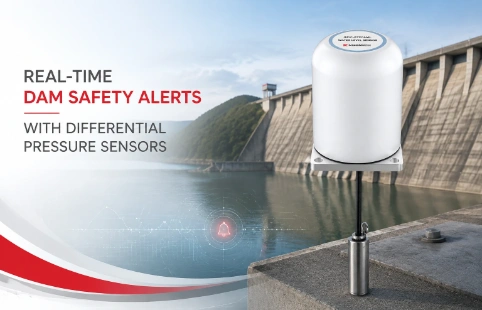
Real-Time Dam Safety Alerts with Differential Pressure Water Level Sensors
Key Takeaways An alert chain needs more than a sensor: define field in...

Hydrostatic Pressure Level Sensors That Stay Stable in the Field
A drifting sensor in a monitoring well doesn’t just throw off one reading—it puts months of trend data in doubt. Kingmach builds hydrostatic pressure level sensors to avoid that headache. The sensing element is a flush ceramic diaphragm, so there’s no tiny cavity for sediment to clog. The body is compact enough to slide into a 19 mm standpipe, and the standard ranges go from light duty (a couple of meters) up to 200 mH2O, which covers most groundwater and surface water jobs without special orders. You get common output options—4-20 mA, RS485, SDI-12—wired through a vented cable that corrects for barometric swings automatically. Every unit is temperature-compensated, and we ship from stock unless the range or cable length needs to be project-specific. If you’ve been swapping out sensors every season because of drift or mechanical damage, the design shift here is worth a look.
Technical Detail
Kingmach has spent years supplying geotechnical and environmental monitoring projects, and our hydrostatic pressure level sensors reflect that field experience. Instead of a one-size-fits-all approach, we stock a range of standard units and regularly build variants to match site conditions. The standard line uses a ceramic capacitive sensing cell, which handles small pressure changes well and doesn’t degrade when in contact with mildly aggressive groundwater. For deeper installations—think 100 m or more—we recommend a vented cable with Kevlar strain relief, which protects the wire and the reference tube during deployment and retrieval. Electrical connections are factory-molded; you won’t need to open a junction box in a muddy hole. Signal output can be configured as 4-20 mA two-wire, Modbus RTU over RS485, or SDI-12, so they drop into existing data loggers without extra converters. Temperature measurement is built into the same package, typically a Pt1000 element, giving you level plus a water temperature point for density correction or compliance reporting. Because we manufacture in-house, cable lengths, pressure ranges up to 200 mH2O, and special connector requests don’t add weeks to the lead time. Our QA process includes a full-range pressure cycle and a 48-hour burn-in on every sensor before it leaves the floor. When a project hits a problem—say, a borehole that turns saline—our engineers can swap the housing material and diaphragm seal to suit, and that kind of one-off attention is part of normal technical support. Alongside the sensors, we stock dataloggers, wellhead brackets, and cable hangers, so a single PO can cover the full site installation. With distributors across Asia, Europe, and the Americas, getting a unit to site is usually a matter of local stock, and aftersales support comes directly from the engineering team, not a call center script.
News
Key Takeaways An alert chain needs more than a sensor: define field in...
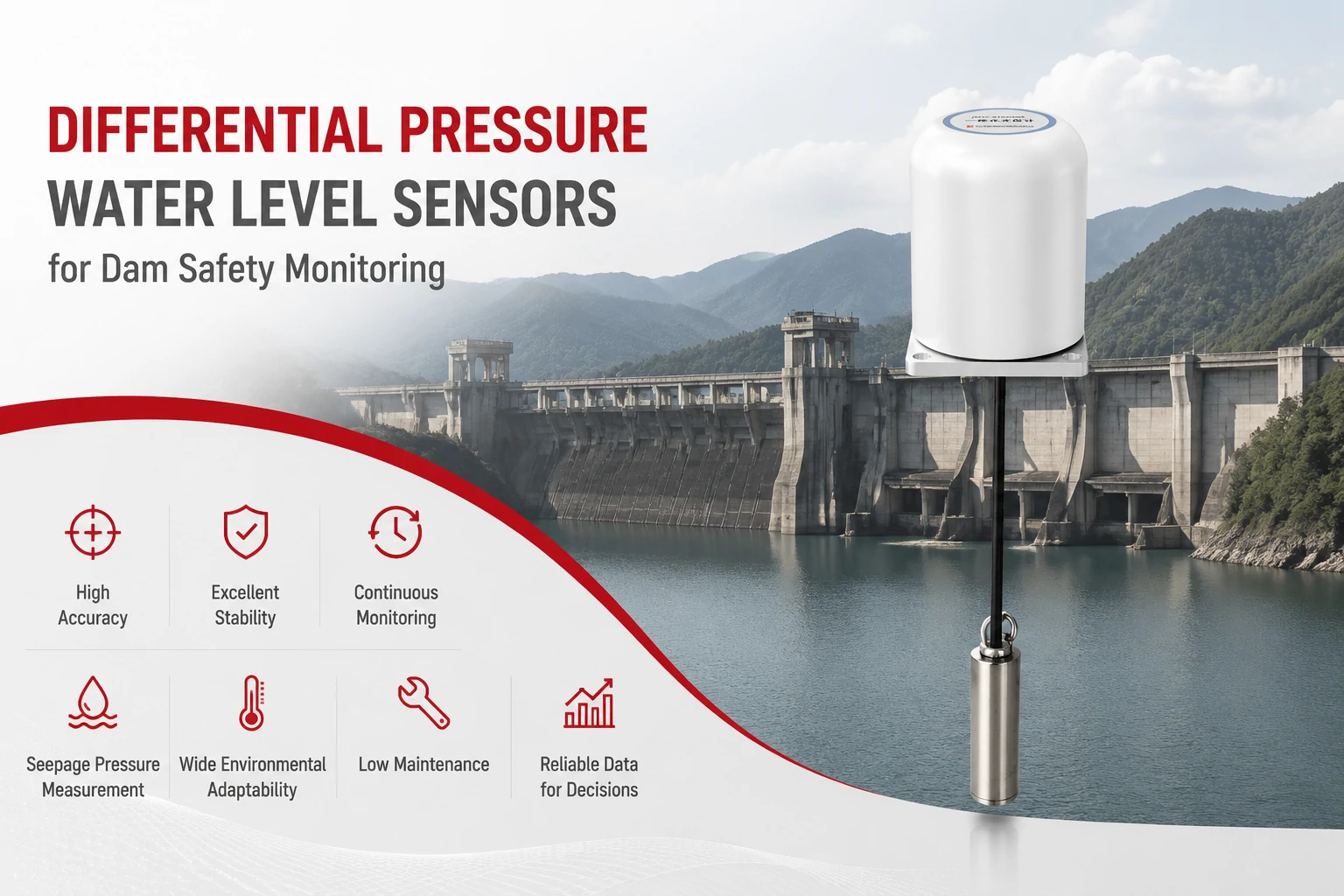
Key Takeaways The strongest fit is usually a confined, submerged, or s...
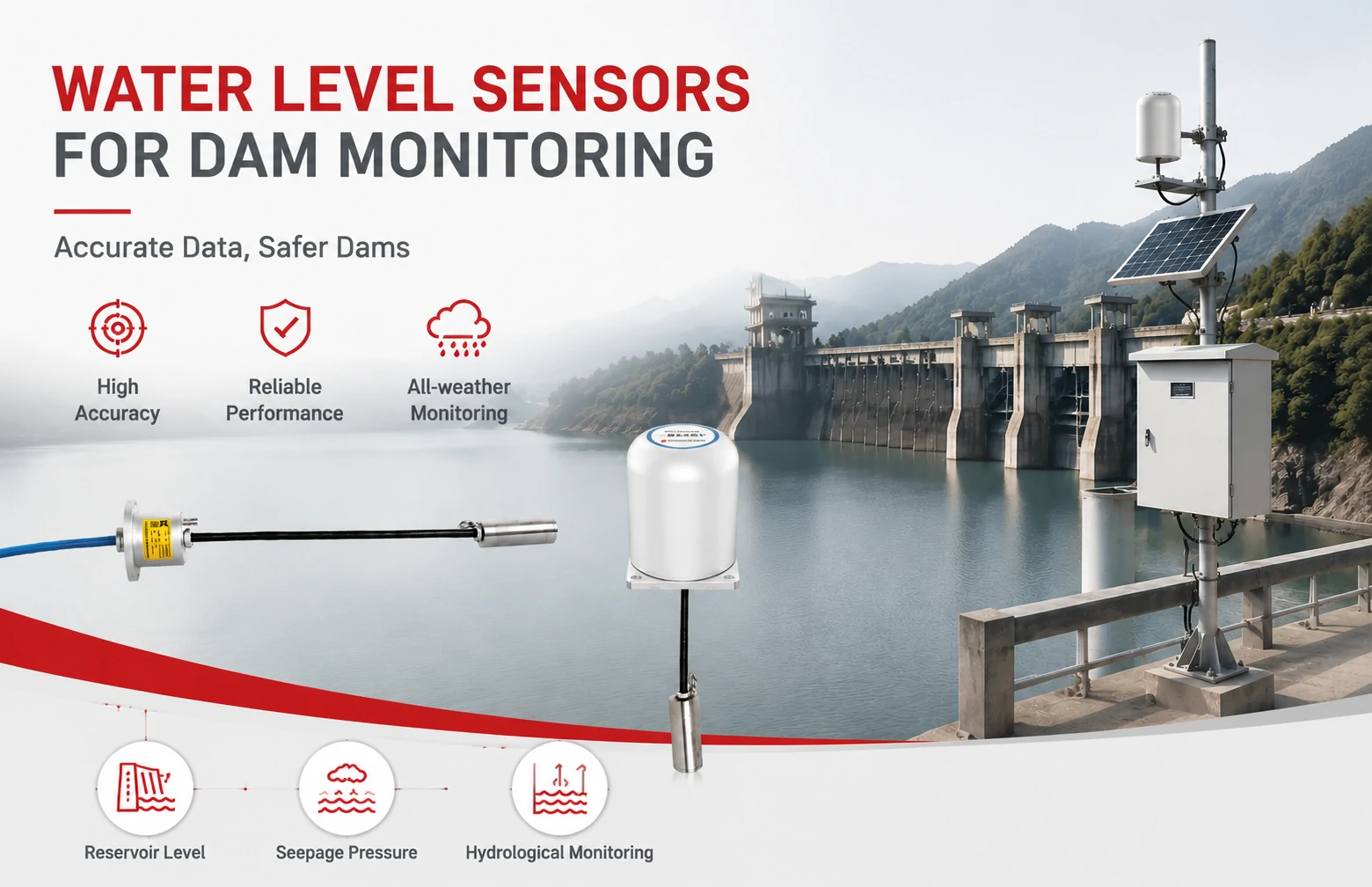
Kingmach Water Level Sensors for Dam Monitoring: A Buyer's Guide to Differential Pre...
Products
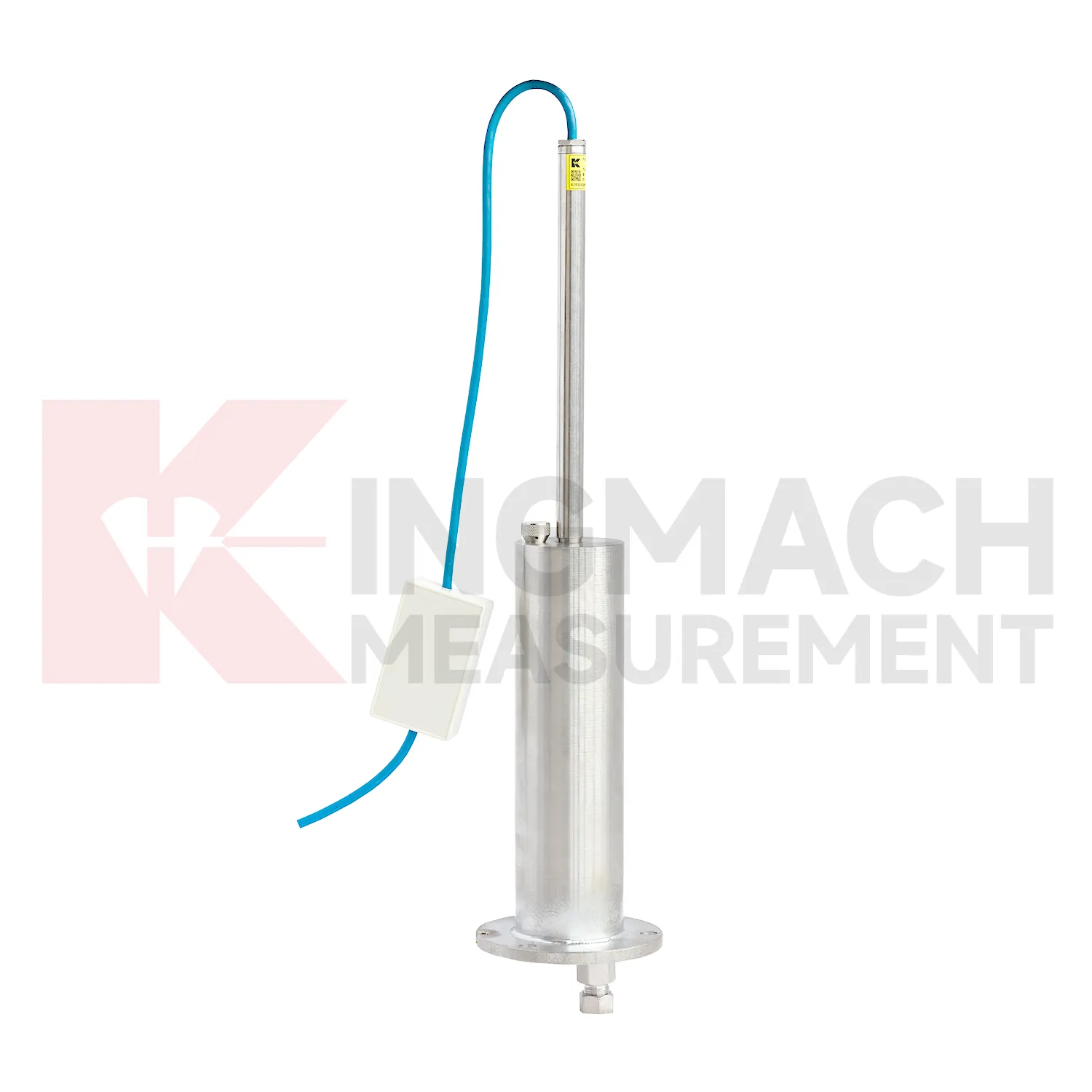
Inductive Frequency-Modulated Hydrostatic Level SensorJMDL-62XXAT、ADT
View Details
Micro Range Hydrostatic Level Sensor JMQJ-62XXADT
View Details
FAQ
Our standard line covers vented gauge ranges from 1 mH2O up to 200 mH2O. The lower ranges suit shallow groundwater and tank monitoring; the upper end works for deep boreholes and dam piezometers. Non-standard ranges can be built, but they’re usually not necessary because the stock units already span most civil and environmental applications.
The standard ceramic diaphragm and 316L stainless steel body handle fresh and mildly brackish water without issues. For saltwater or sites with industrial run-off, we offer a titanium housing and a seal material upgrade. We’ve supplied that variant for coastal aquifer studies and brine tank monitoring—just let the engineering team know the media analysis upfront, and they’ll confirm compatibility.
Every sensor ships with a vented cable: a thin tube inside the cable jacket references atmospheric pressure to the back of the diaphragm. This cancels out weather-driven swings in real time. The cable vent ends in a desiccant cartridge that keeps moisture from creeping in. As long as the cartridge is changed out during routine site visits, the compensation stays accurate. Some loggers can also apply a software offset using a separate barometer, but the vented cable approach is simpler and more common in permanent installs.
The standard configuration is 4-20 mA loop-powered, which goes straight into most industrial PLCs and loggers without extra power supplies. We also build versions with RS485 Modbus RTU and SDI-12, depending on what the data acquisition system expects. The digital outputs also give you the temperature reading directly, which saves a channel on a field logger. If the project has a legacy telemetry setup, we can match a signal type to avoid retrofits.
Yes, the standard body diameter is 19 mm, which fits into a 1-inch standpipe. For sites with even tighter access—like old monitoring wells or horizontal inclinometer casings—we can supply a 16 mm variant, though that’s a custom order and may limit the cable length due to slimmer vent tubing. If you tell us the casing ID and the depth, we’ll recommend the right configuration and check that the cable weight won’t be too much for the sensor housing over time.
Share your product type, target capacity, and application requirements. Our team can review the details and recommend a practical next step.
If you are interested in our products or want to become our partner.
Please leave your contact information, our team will contact you as soon as possible.
Mail: [email protected]
Contact Us: +8613808434127
Address: No. 188 Tongzipo West Rd, Changsha, Hunan, China