
 EN
EN
 ar
ar bg
bg hr
hr cs
cs da
da nl
nl fi
fi fr
fr de
de el
el hi
hi it
it ko
ko no
no pl
pl pt
pt ro
ro ru
ru es
es sv
sv tl
tl iw
iw id
id lv
lv lt
lt sr
sr sk
sk sl
sl uk
uk vi
vi et
et hu
hu th
th tr
tr fa
fa ms
ms hy
hy ka
ka ur
ur bn
bn mn
mn ta
ta kk
kk uz
uz ku
ku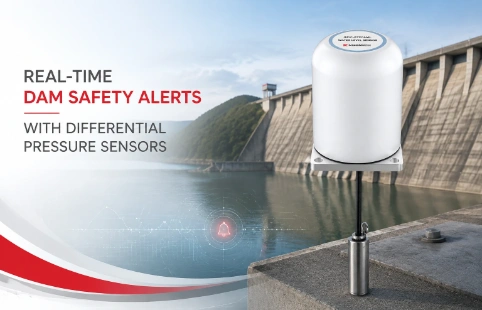
Real-Time Dam Safety Alerts with Differential Pressure Water Level Sensors
Key Takeaways An alert chain needs more than a sensor: define field in...

Micro Range Hydrostatic Level Sensor for Shallow Depths
When you need to track water levels in shallow reservoirs, narrow canals, or small standpipes, a standard sensor often can’t deliver the required resolution. The micro range hydrostatic level sensor from Kingmach is built for these scenarios. It measures water pressure at spans as low as a few centimeters, converting it into a stable, repeatable level reading. This instrument comes into play where every millimeter counts—like monitoring small weirs or settlement tanks. Unlike general-purpose transmitters, it is optimized for low head pressures, so you avoid the noise and drift common when a full-scale sensor is used at a fraction of its range. Kingmach has supplied these sensors to geotechnical projects across Asia and South America, often customizing the cable material and housing for site-specific conditions.
Technical Detail
Kingmach’s micro range hydrostatic level sensor takes a straightforward principle—hydrostatic pressure—and applies it to very small water columns. The sensor body is compact, usually made of stainless steel, and the cable includes a vent tube for atmospheric pressure compensation. It works with most dataloggers that accept a 4‑20mA or RS485 signal. One thing we have learned from field feedback: in stilling wells, the sensor’s physical size can matter as much as its electronics. That’s why the probe diameter is kept small, and the cable bend radius allows installation through narrow conduits. Temperature compensation is handled by an onboard thermistor, and many users report less than 0.1% FS variation over a 20°C swing. For sites where lightning or electrical noise is a concern, the sensor can be ordered with a fully isolated signal loop. Kingmach tests each unit in a water column simulator before shipping, and a calibration certificate is included. Whether you need to monitor a canal in Southeast Asia or a groundwater recharge basin in the Middle East, we can adjust the range, output protocol, and cable length to match the job.
News
Key Takeaways An alert chain needs more than a sensor: define field in...
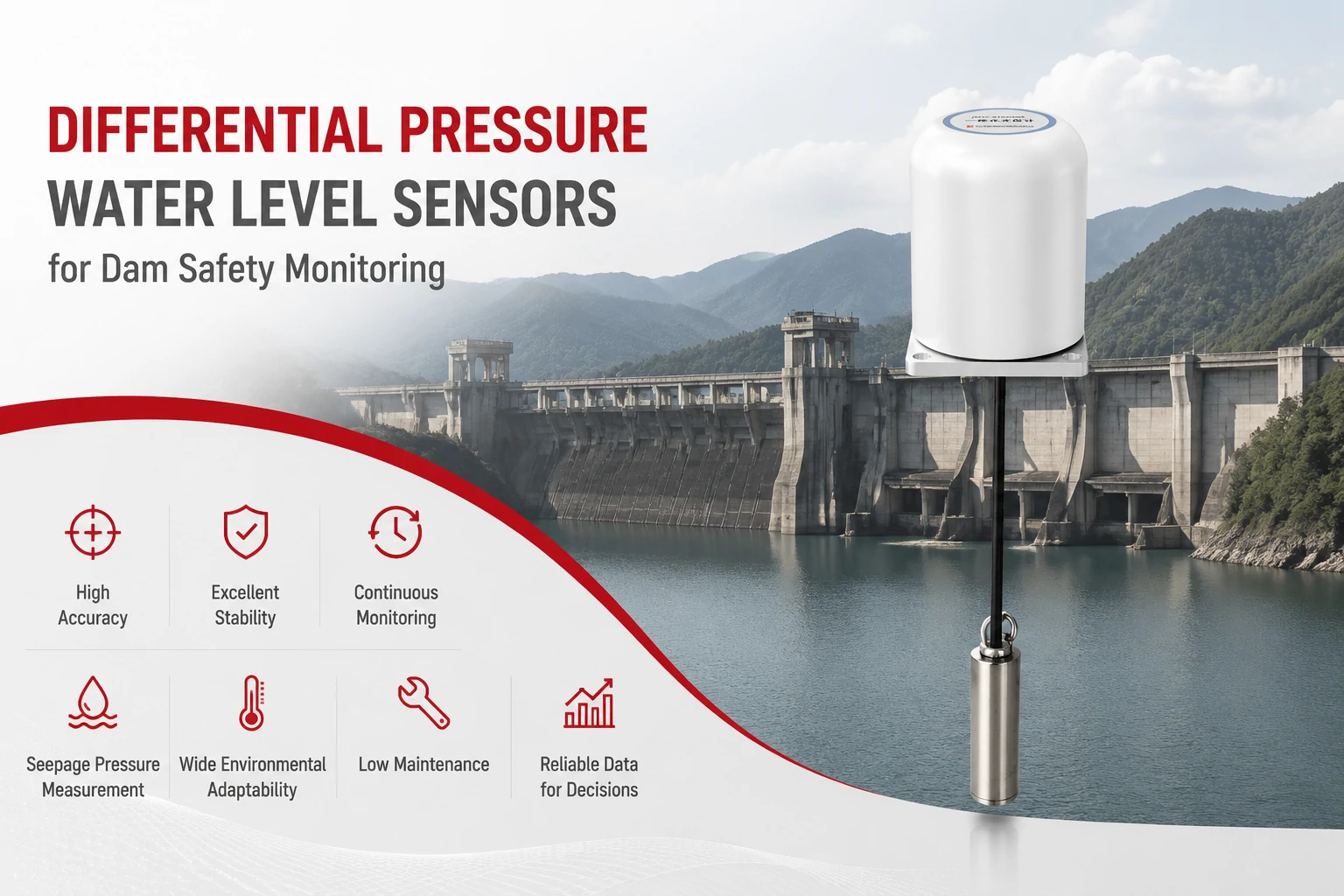
Key Takeaways The strongest fit is usually a confined, submerged, or s...
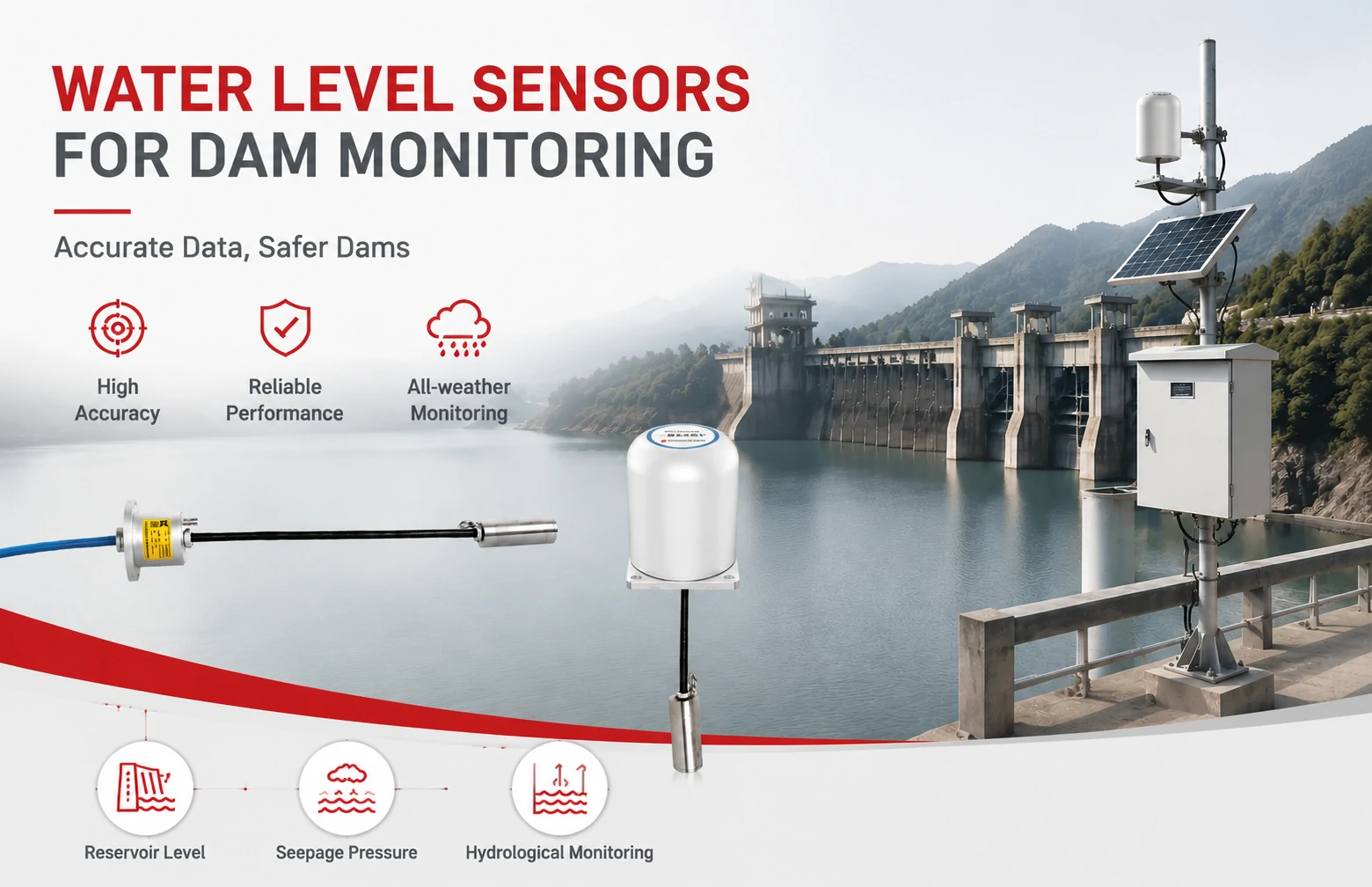
Kingmach Water Level Sensors for Dam Monitoring: A Buyer's Guide to Differential Pre...
Products
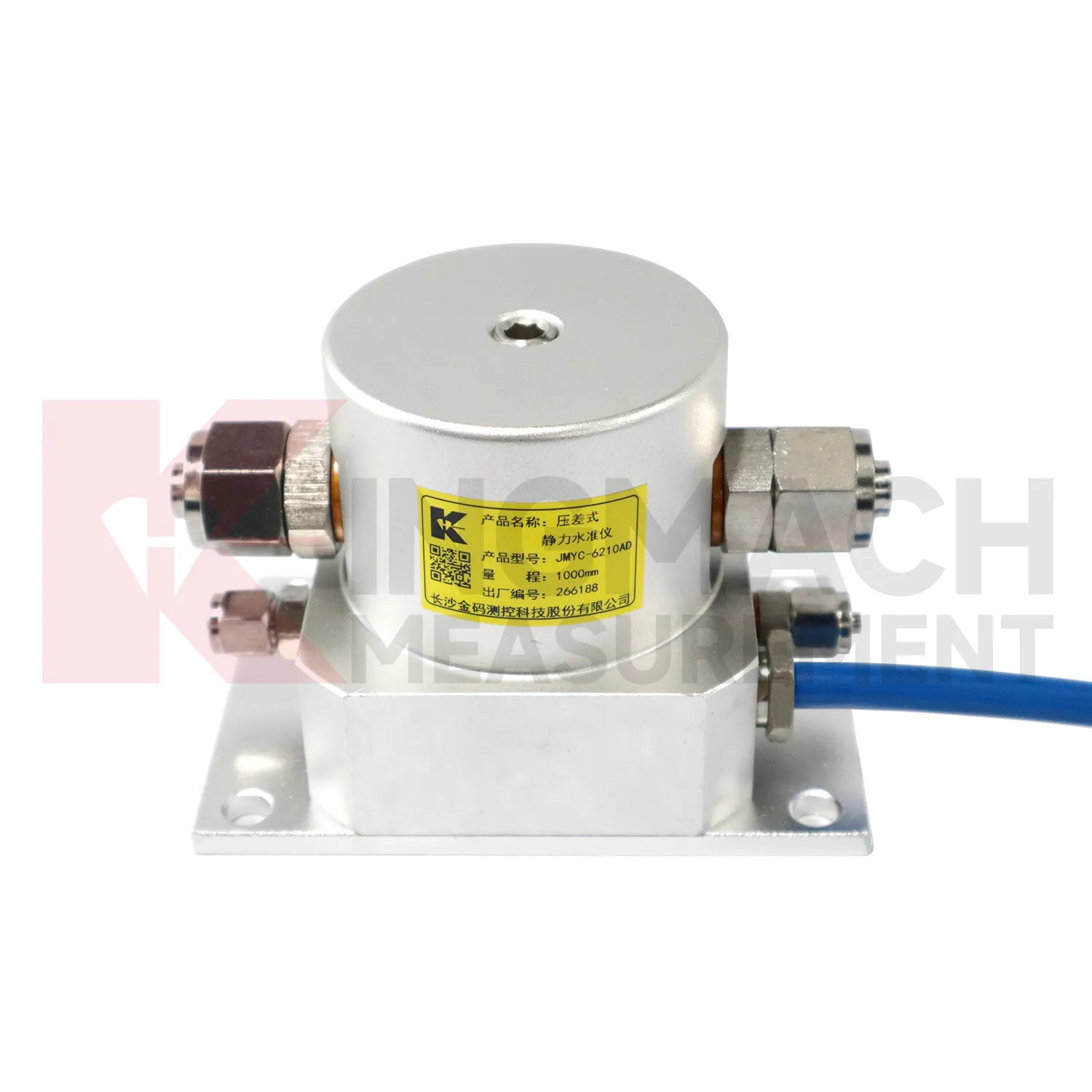
Wide-Range Differential Pressure Hydrostatic Level Sensor JMYC-62XXAD
View Details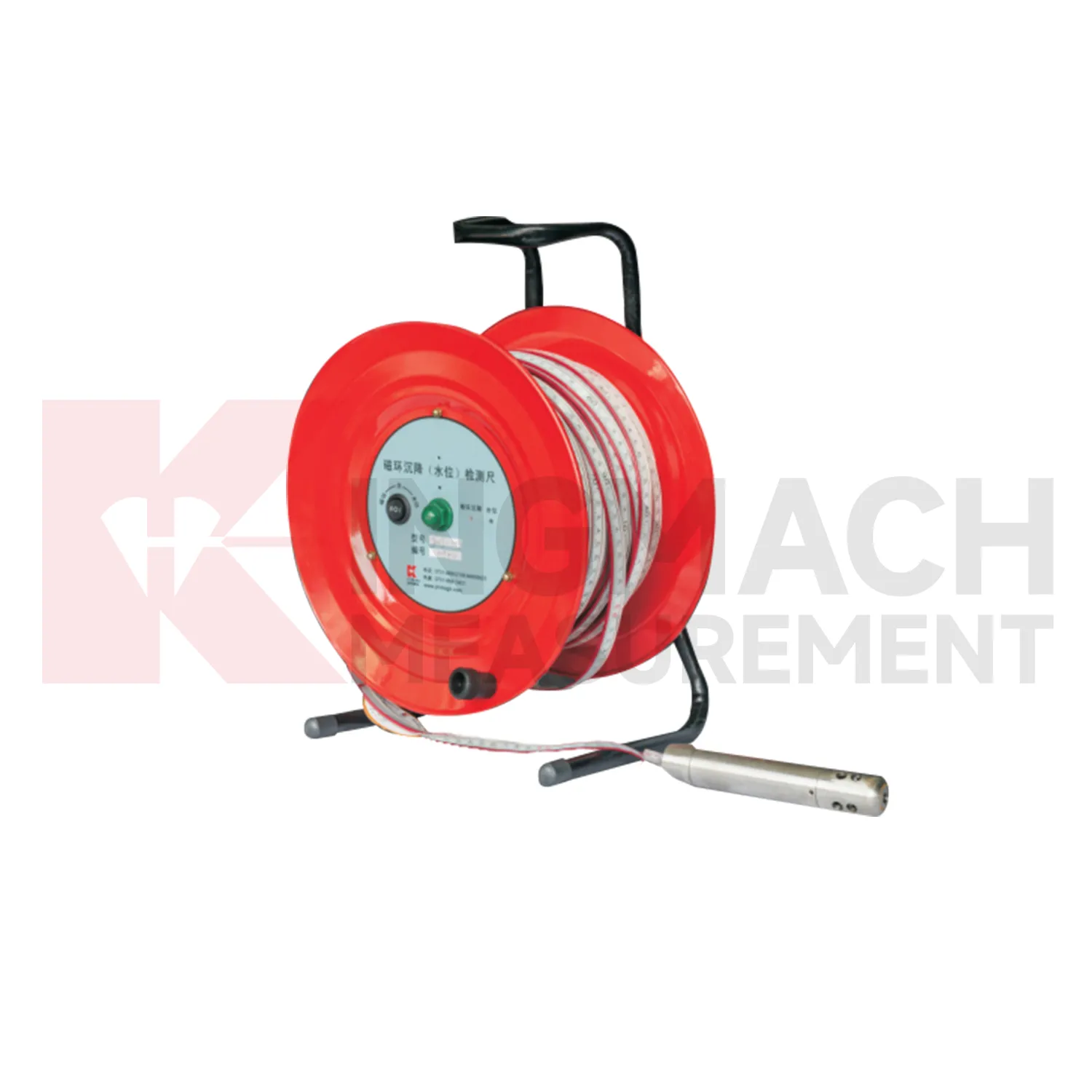
Magnetic Ring Settlement Water Level Gauge JMCJ-1003、1005
View Details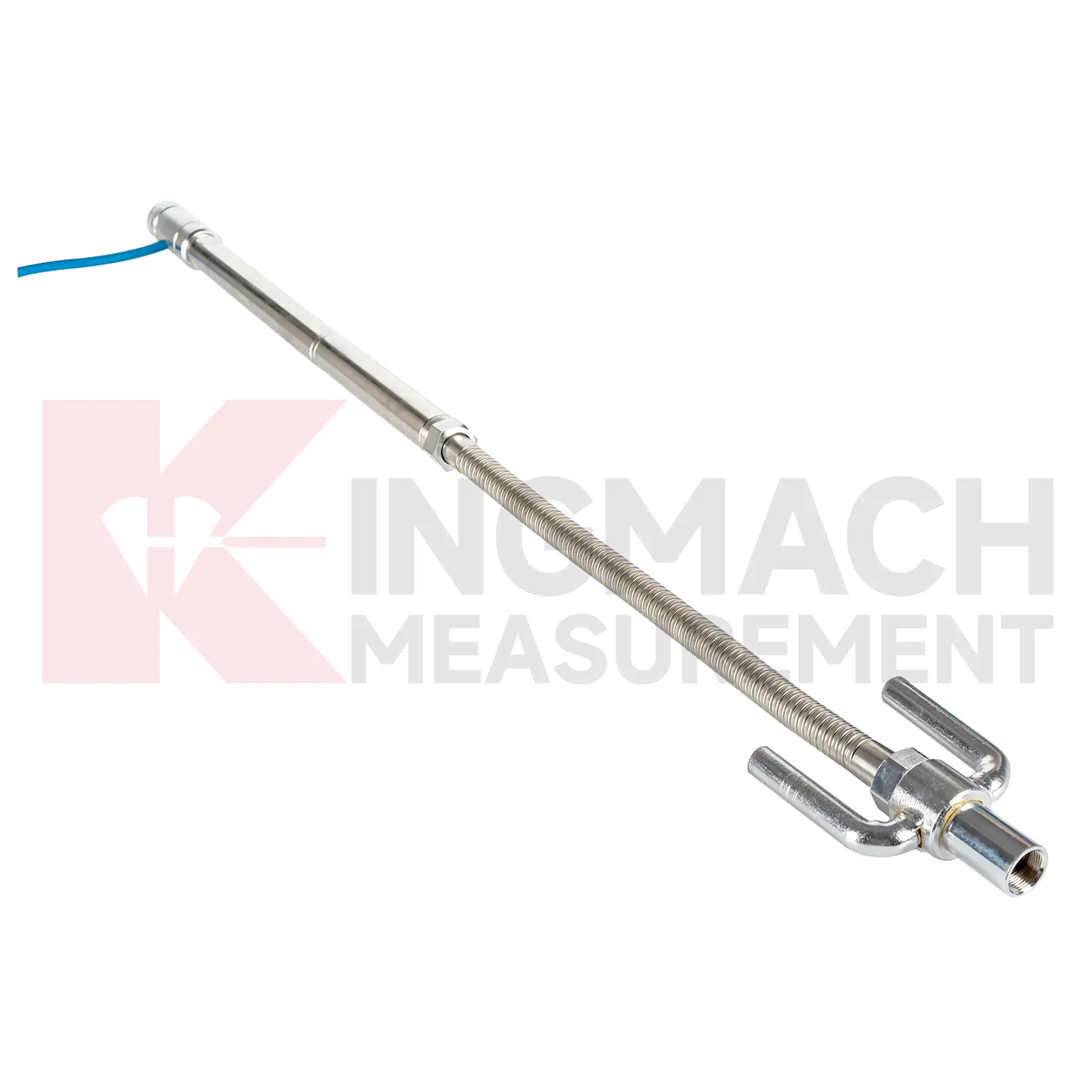
Smart Single-Point Settlement Gauge JMDL-47XXAT
View DetailsFAQ
The span is typically configurable down to a few centimeters of water column. The exact minimum depends on the calibration and the signal-to-noise ratio you can tolerate. Many projects use 0–0.5m or 0–1m full scale for very shallow applications.
The vent tube equalizes the back side of the diaphragm with ambient air pressure, so the reading stays true even when barometric pressure changes. It does require that the cable end be kept dry, often inside a weatherproof junction box or datalogger enclosure. Desiccant packs are sometimes placed in that enclosure to reduce moisture ingress through the cable jacket over time.
Yes, as long as the borehole casing diameter accommodates the probe. For very narrow piezometers, we can supply a slimline version. The low range makes it suitable for shallow groundwater monitoring where you need to see small fluctuations that a wide-range sensor would miss.
The most common choices are 4‑20mA (two‑wire) and RS485 with Modbus RTU. SDI‑12 is also an option for integration with certain environmental loggers. The electronics are potted, so the output format is fixed at order time.
In clean water, a drift check every 12 to 18 months is usually enough. In silty or chemically aggressive water, more frequent checks are recommended. The zero point can be verified in the field by lifting the sensor out of the water and confirming the output corresponds to zero depth. If a shift is observed, the sensor can be returned for recalibration.
Share your product type, target capacity, and application requirements. Our team can review the details and recommend a practical next step.
If you are interested in our products or want to become our partner.
Please leave your contact information, our team will contact you as soon as possible.
Mail: [email protected]
Contact Us: +8613808434127
Address: No. 188 Tongzipo West Rd, Changsha, Hunan, China