
 EN
EN
 ar
ar bg
bg hr
hr cs
cs da
da nl
nl fi
fi fr
fr de
de el
el hi
hi it
it ko
ko no
no pl
pl pt
pt ro
ro ru
ru es
es sv
sv tl
tl iw
iw id
id lv
lv lt
lt sr
sr sk
sk sl
sl uk
uk vi
vi et
et hu
hu th
th tr
tr fa
fa ms
ms hy
hy ka
ka ur
ur bn
bn mn
mn ta
ta kk
kk uz
uz ku
ku
crack meters
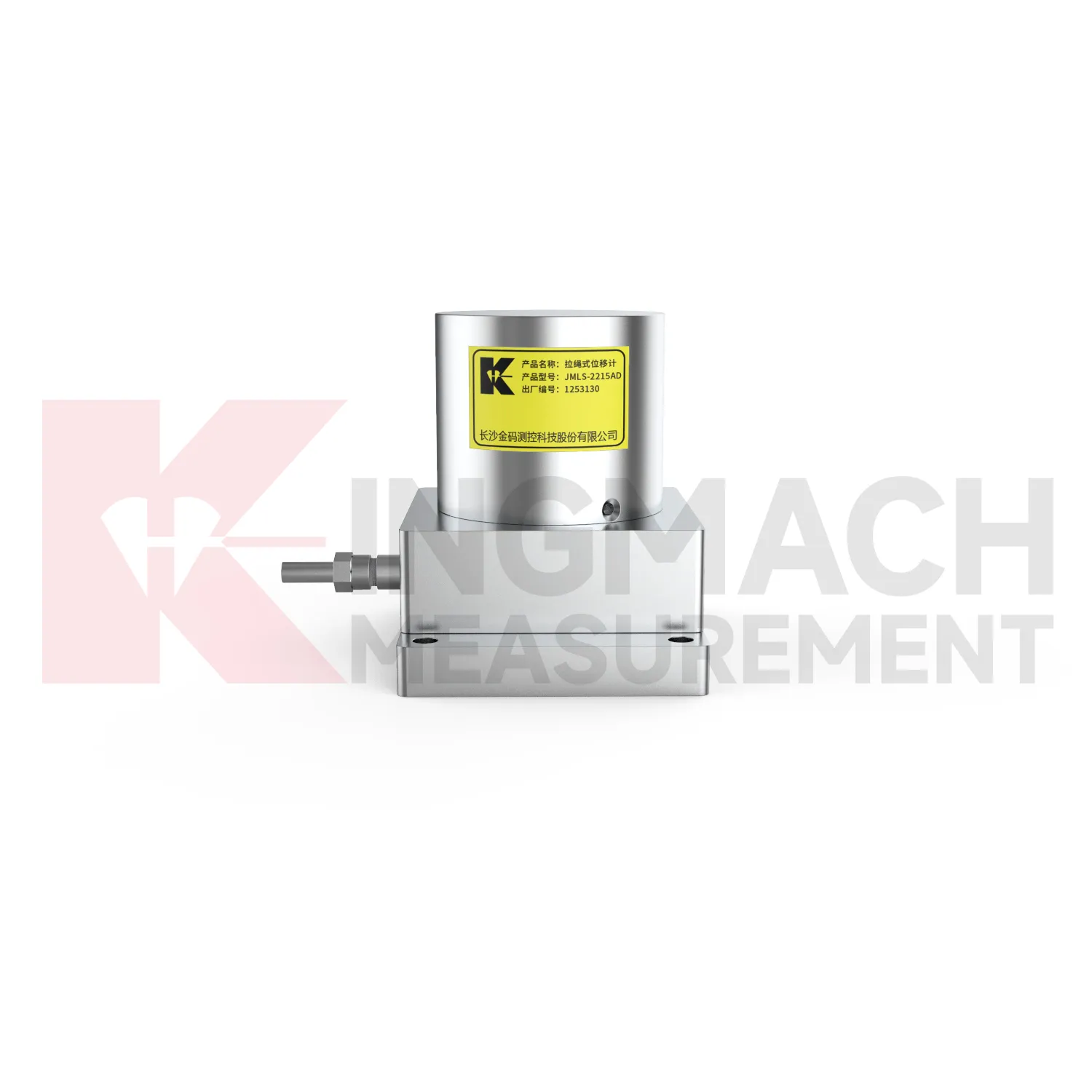
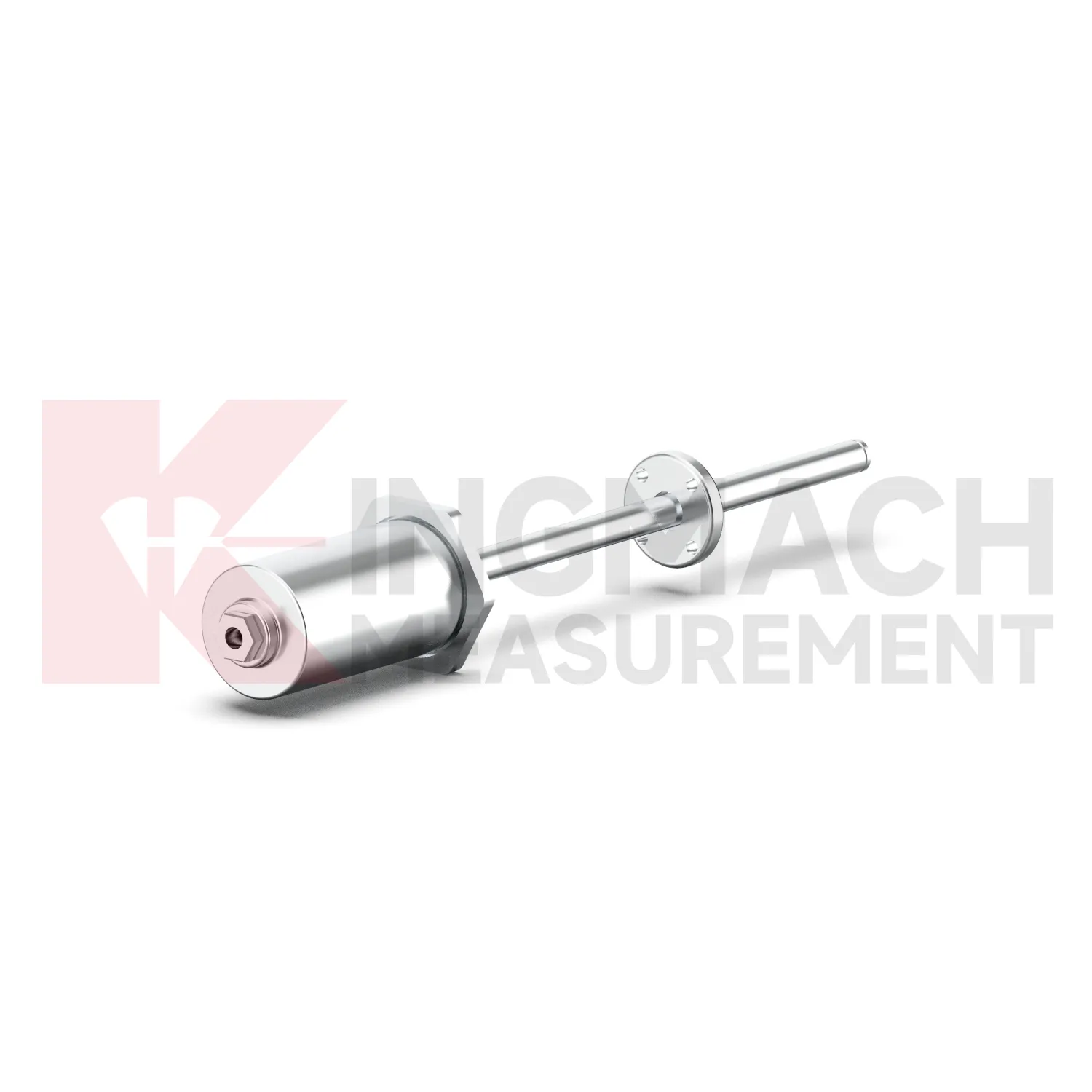
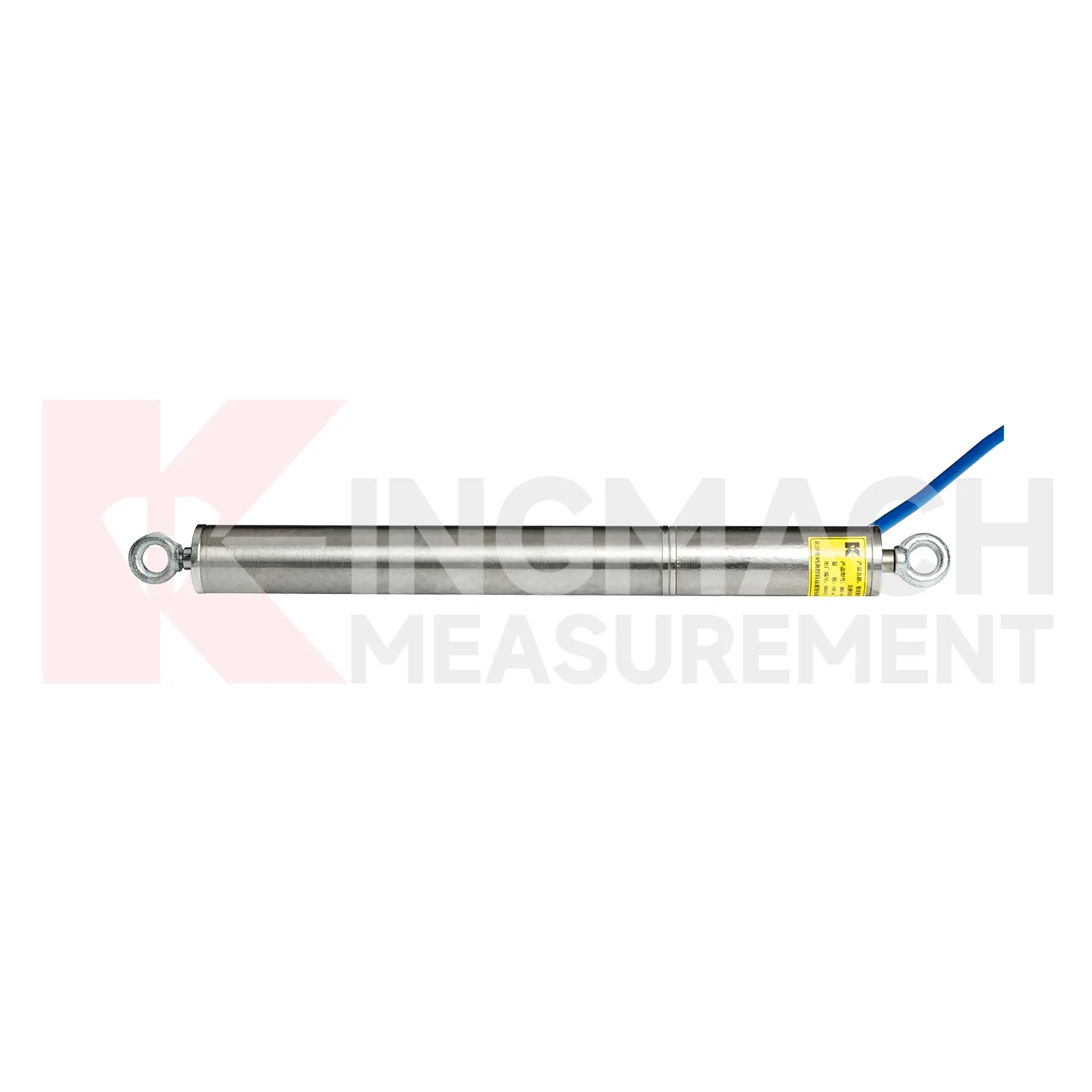
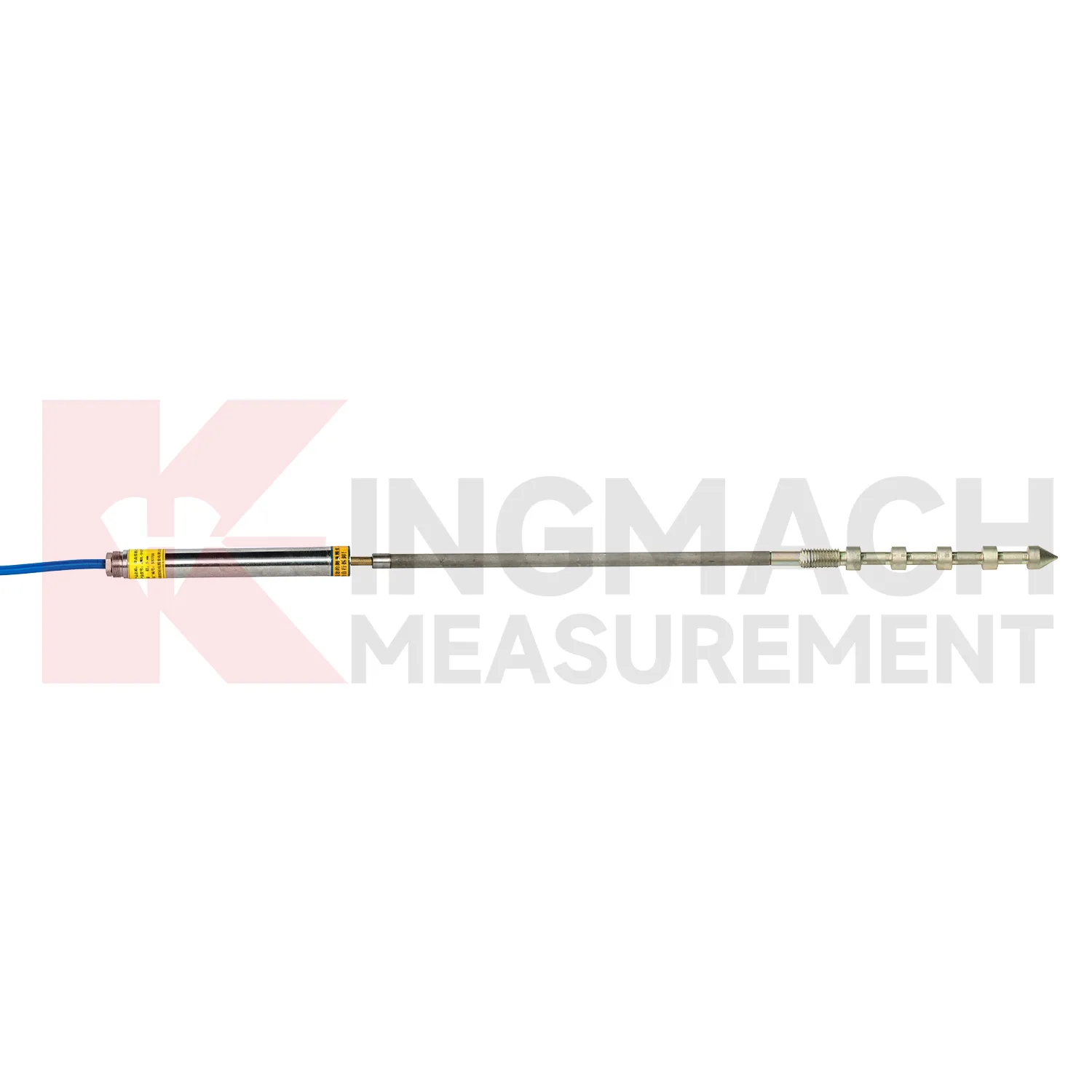
Kingmach crack meters cover a broad group of displacement measurement products for civil, geotechnical, hydropower, transportation, and industrial projects. The product category includes short-range crack gauges, general-purpose displacement meters, differential displacement meters, flexible geogrid meters, multipoint rock displacement meters, single-point bedrock meters, formwork displacement meters, wire rope sensors, magnetostrictive displacement meters, and GNSS displacement devices. This range matters because displacement measurement is not one mechanical condition. A bridge joint may need 20 mm to 100 mm differential monitoring, while a draw-wire application may require 500 mm to 2000 mm travel. Some projects need embedded anchoring and grouting, while others need surface brackets, universal bases, or a cable pulled between two points. Kingmach supports these different layouts with digital output, stored calibration data, waterproof structures, and automatic acquisition compatibility. The goal is to give engineers stable movement data that can be traced from sensor body to monitoring platform. During project setup, the measuring point should be matched with the expected travel direction, available mounting space, cable route, and required acquisition interval. This prevents a short-range joint instrument from being used on a long-travel point, or an exposed sensor from being placed where an embedded anchor is needed. It also helps the monitoring team set a baseline that can be defended during acceptance and later maintenance review.
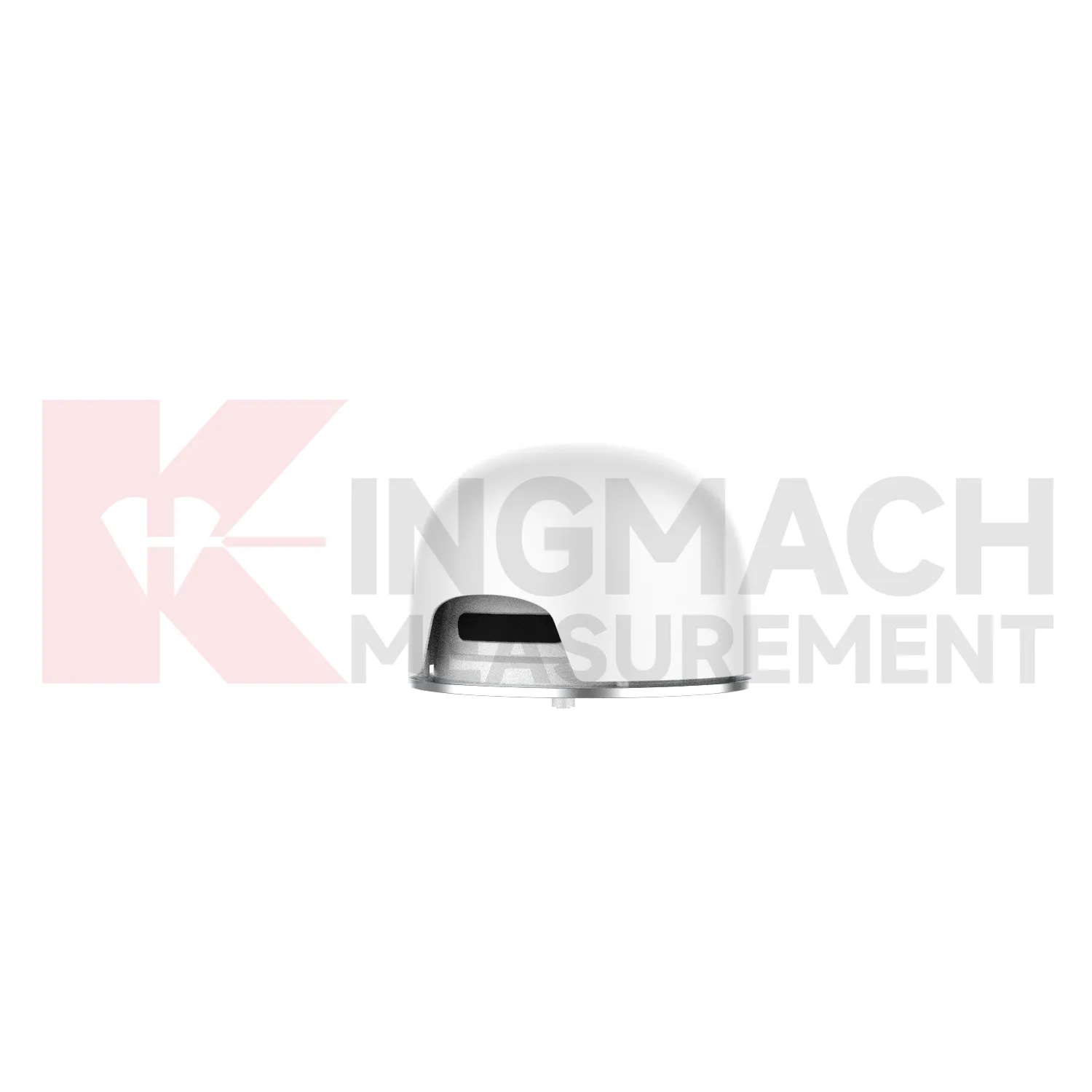
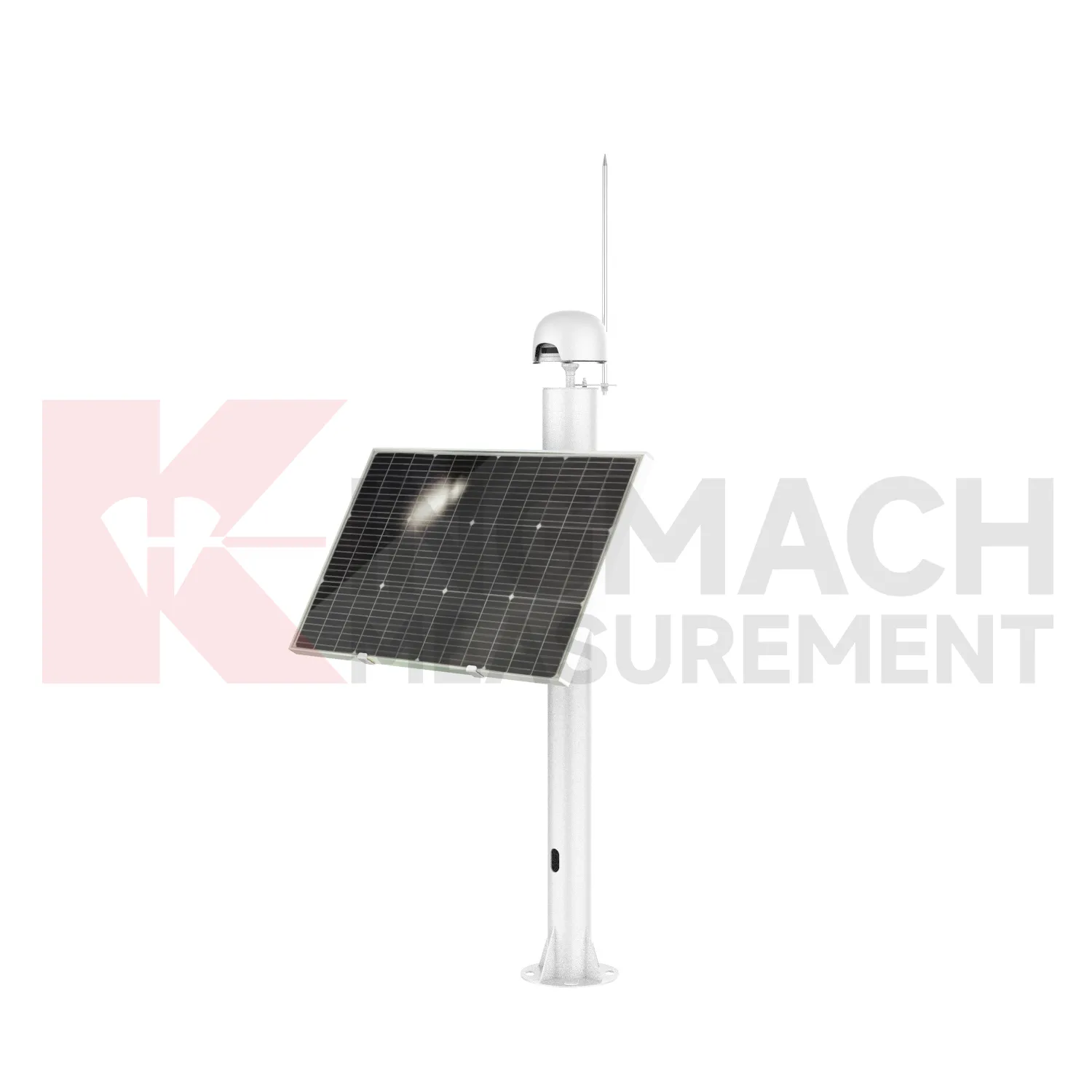
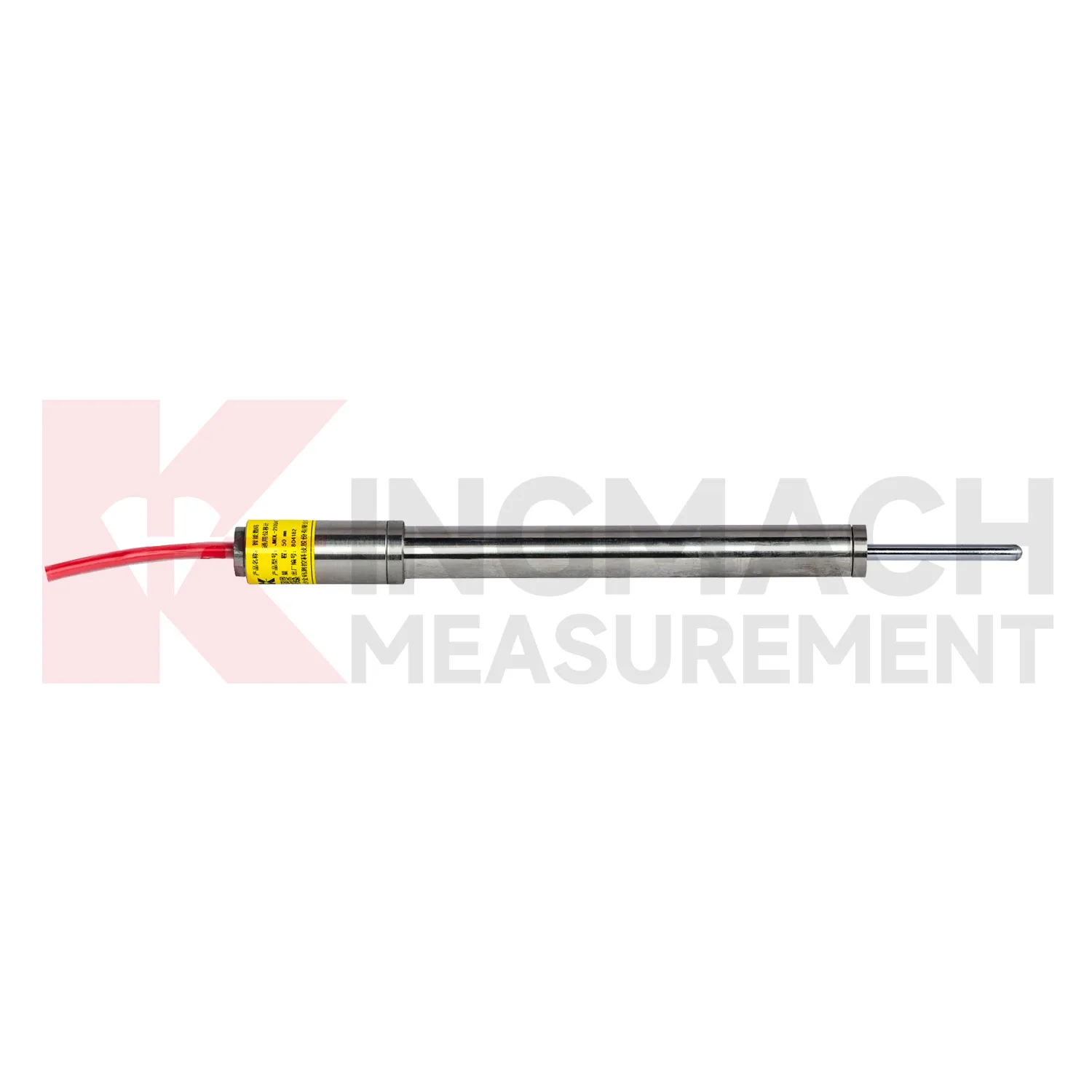
Application of crack meters
In industrial automation and equipment monitoring, crack meters are used for hydraulic cylinder stroke, machine tool positioning, gate movement, construction machinery displacement, and linear motion control. The site pain point is different from civil monitoring: readings must often be fast, absolute, repeatable, and resistant to wiring mistakes or mechanical wear. Kingmach JMCW-21XXADT magnetostrictive meters provide non-contact absolute displacement measurement over 0 to 1000 mm, 0.01 mm resolution, plus or minus 0.05%FS accuracy, RS485 communication, IP67 protection, average current below 60 mA, and reverse polarity protection up to -36V. For equipment with cable travel, JMLS-22XXADT wire rope sensors provide 500 mm, 1000 mm, and 2000 mm ranges with 0.2%FS accuracy and compact dimensions of 115 mm by 85 mm by 100 mm. These products help operators track position drift, stroke limits, gate opening, and machine movement in harsh workshops or outdoor installations. During operation, the monitoring team should keep the baseline, temperature, inspection notes, and nearby sensor behavior in the same review file. This makes it easier to tell whether a movement trend comes from normal service, a repair event, changing load, water influence, or developing structural risk. Clear records also help owners decide when a field inspection is needed instead of waiting for visible damage.

The future of crack meters
Future crack meters will also become easier to install in cramped and irregular field locations. Many monitoring points are not clean laboratory setups; they are narrow tunnel headings, wet dam galleries, crowded bridge joints, temporary formwork frames, steep slopes, and machinery spaces with limited room for tools. Smaller housings, clearer mounting accessories, stronger cable exits, and simpler alignment checks will reduce installation errors. Kingmach already uses several physical formats, including crack gauges with measuring rods and bases, draw-wire sensors for longer travel, embedded bedrock assemblies, flexible geogrid meters, and non-contact magnetostrictive meters. Future product development can make these formats more modular, so engineers select the mounting kit, cable protection, connector type, and acquisition method together. That would shorten commissioning time and make later maintenance less dependent on the original installer. For projects with many measurement points, practical installation improvements can be as important as another decimal place of resolution, because a well-mounted sensor gives cleaner data from the beginning.
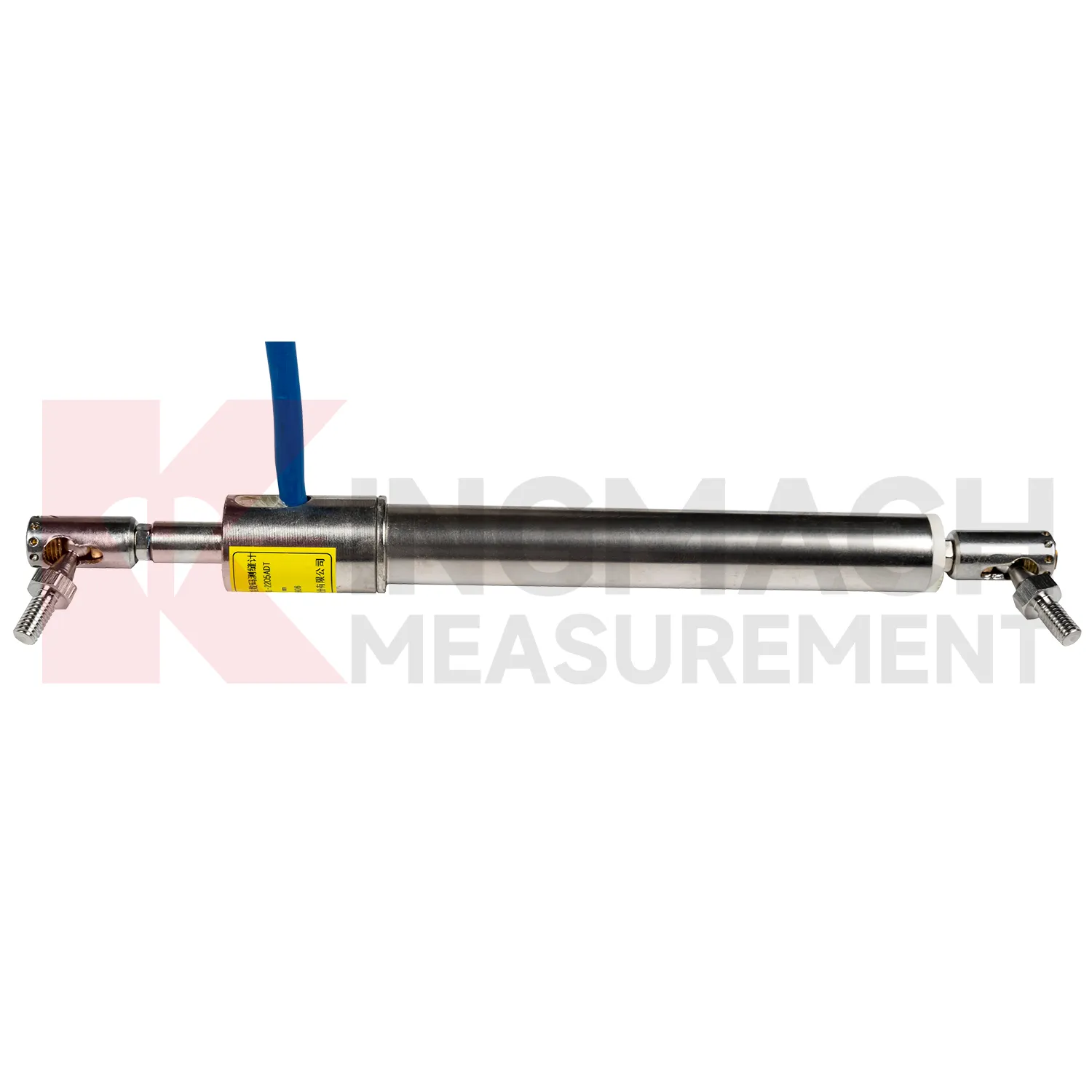
Care & Maintenance of crack meters
Care for crack meters starts with selecting the correct range before installation. A 20 mm or 50 mm joint sensor cannot replace a 1000 mm draw-wire sensor, and an embedded rock displacement meter cannot be treated like a surface crack gauge. Confirm model, range, resolution, accuracy, mounting accessories, cable length, power supply, output type, waterproof rating, and acquisition method before the instrument is shipped to site. For Kingmach products, check whether the selected model is JMDL-21XXAT, JMDL-22XXAT, JMDL-24XXAT, JMDL-31XXAT, JMDL-32XXAT, JMDL-49XXAT, JMDL-52XXADT, JMCW-21XXADT, or JMLS-22XXADT. During installation, record the zero reading only after brackets, anchors, measuring rods, cable pulls, or grouted points are stable. A rushed baseline can make every later reading harder to interpret, even when the sensor itself is working correctly. Keep the installation photo, point number, zero value, and expected movement direction with the commissioning record for later review. If a reading changes after maintenance work, inspect the base, anchor, cable, and cabinet before assuming the structure itself has moved.
Kingmach crack meters
crack meters are used when a structure needs movement data that can be reviewed, compared, and acted on before deformation becomes visible. Kingmach covers short range crack movement, expansion joint travel, rock layer displacement, geogrid deformation, draw-wire movement, and long stroke position tracking. The category includes JMDL-21XXAT general-purpose displacement meters, JMDL-22XXAT crack gauges, JMDL-24XXAT flexible meters, JMDL-31XXAT multipoint meters, JMDL-32XXAT bedrock meters, JMDL-49XXAT formwork meters, JMDL-52XXADT differential meters, JMCW-21XXADT magnetostrictive meters, and JMLS-22XXADT wire rope sensors. On site, this means one product group can cover bridge joints, tunnel portals, slope movement, dam deformation, railway subgrade settlement, and industrial linear motion. The value is not only the displayed millimeter reading. It is the ability to connect movement, time, temperature, construction activity, and warning limits into one record. The point should be named on the drawing, linked with its cable route, and checked against the expected movement direction before the first automatic reading is accepted. For daily review, the reading should be compared with nearby points, recent weather, site operations, and any loading event that could explain the movement.
FAQ
Q: How should crack meters be maintained?
A: Inspect brackets, anchors, measuring rods, cable routes, connectors, waterproof seals, cabinet wiring, grounding, and channel labels at planned intervals.
Q: What signs suggest a data problem rather than real movement?
A: Flat lines, sudden jumps after cabinet work, repeated communication gaps, impossible readings, or disagreement with nearby points may indicate sensor, cable, power, or channel issues.
Q: Can temperature affect displacement data?
A: Yes. Some products include low temperature sensitivity, differential measurement, or temperature records, but temperature should still be reviewed with the movement trend.
Q: Should zero values be reset often?
A: No. Resetting without a field reason can hide structural movement. Record the event, reason, and new baseline if a reset is required.
Q: What makes a displacement record useful during handover?
A: A useful record includes model, range, serial number, calibration coefficient, baseline, installation photo, point location, latest trend, warning level, and maintenance notes.
Reviews
Ryan Lewis
Fast delivery and excellent product quality. The accelerometers and tiltmeters are highly reliable. Strongly recommend this company.
Michael Anderson
The strain gauges and load cells are extremely accurate and stable. They performed very well in our bridge monitoring project. Highly recommended!
Latest Inquiries
To protect the privacy of our buyers, only public service email domains like Gmail, Yahoo, and MSN will be displayed. Additionally, only a limited portion of the inquiry content will be shown.
Evelyn***@gmail.comSouth Africa
Hi, we are a contractor working on tunnel construction and need settlement sensors and displacement ...
Emma***@gmail.comCanada
Dear Sir/Madam, we are interested in displacement transducers and settlement sensors for a geotechni...