
 EN
EN
 ar
ar bg
bg hr
hr cs
cs da
da nl
nl fi
fi fr
fr de
de el
el hi
hi it
it ko
ko no
no pl
pl pt
pt ro
ro ru
ru es
es sv
sv tl
tl iw
iw id
id lv
lv lt
lt sr
sr sk
sk sl
sl uk
uk vi
vi et
et hu
hu th
th tr
tr fa
fa ms
ms hy
hy ka
ka ur
ur bn
bn mn
mn ta
ta kk
kk uz
uz ku
ku
Automated Equipment Test Cable
For delivery and after-sales planning, Kingmach Automated Equipment Test Cable follow the product-page support framework used across the site. Standard in-stock models may ship quickly when available, while customized products follow the contract schedule. Packaging is described as anti-static and shockproof for precision monitoring products, and warranty service applies to non-human-caused damage during the warranty period. Technical response support is also listed in the local product files. These service details are useful when cables are ordered for time-sensitive monitoring work, system repair, or staged installation.
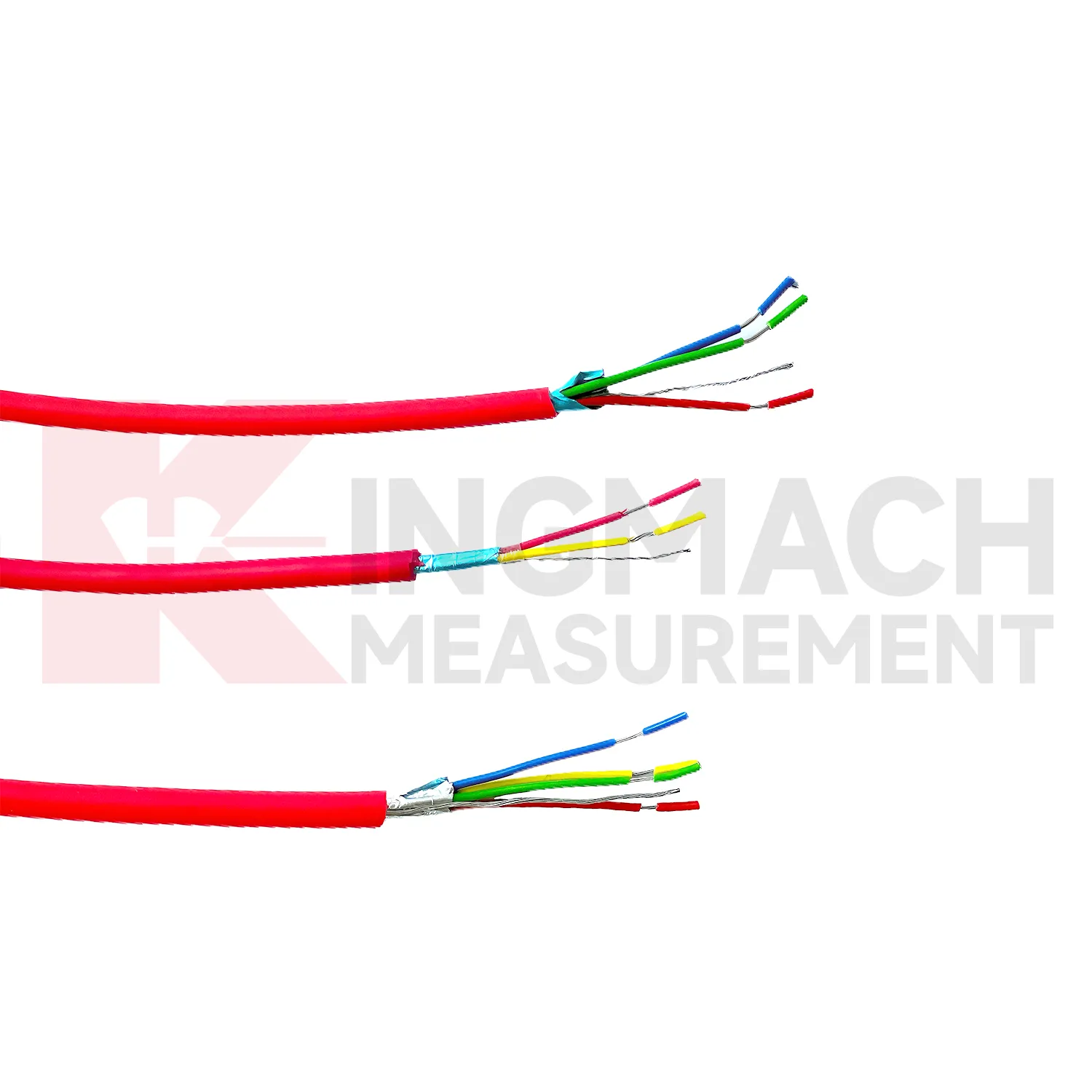
Application of Automated Equipment Test Cable
Monitoring system upgrades use Kingmach Automated Equipment Test Cable when old routes must be replaced, extended, or reorganized without losing traceability. A site may add new sensors, move cabinets, change data loggers, or repair damaged lines after years of service. Multi-core shielded and hydraulic cable options allow engineers to plan new routes around channel count, wet exposure, interference, and maintenance access. During upgrade work, recording old and new cable IDs, core assignments, and first stable readings prevents future reviewers from confusing a wiring change with a structural trend.
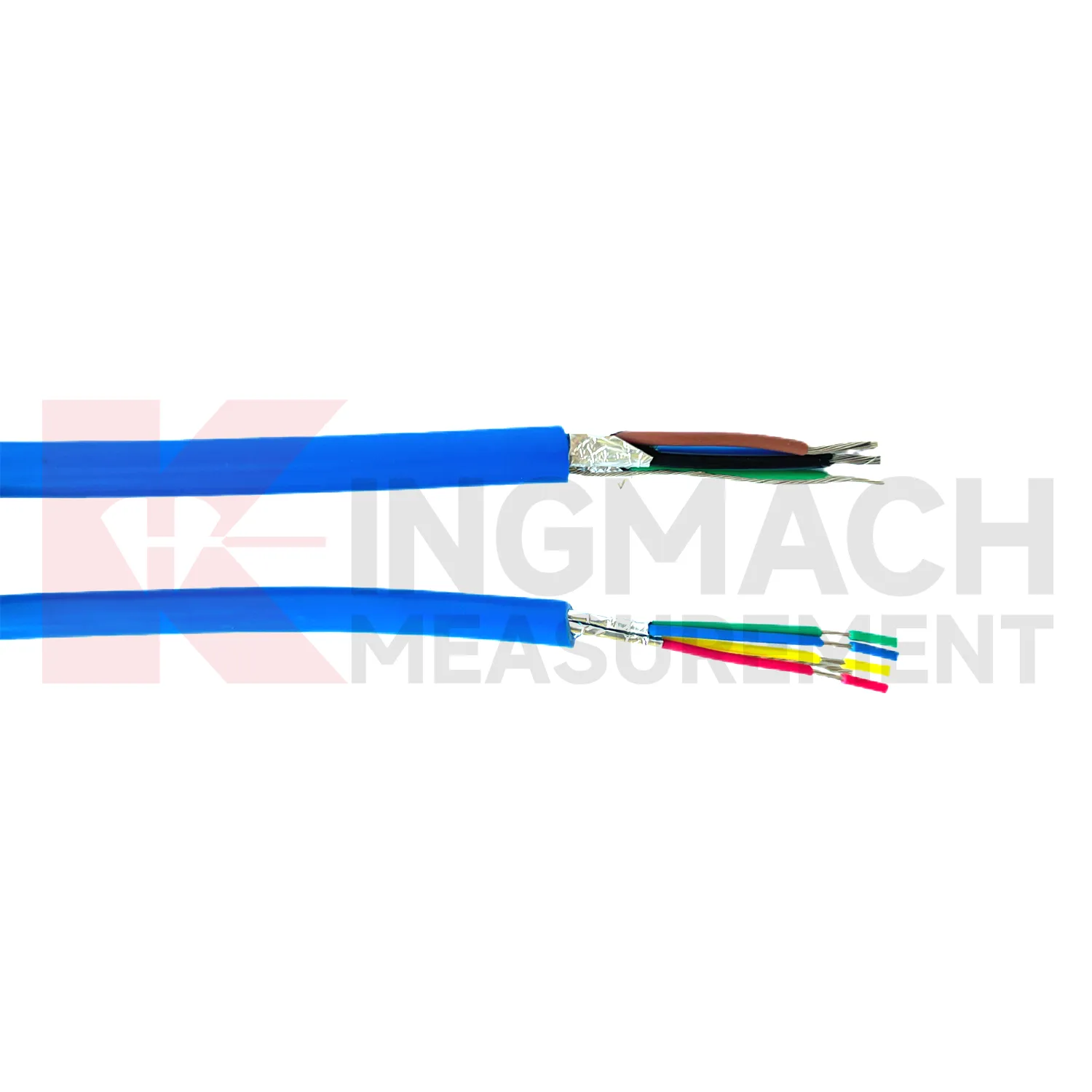
The future of Automated Equipment Test Cable
Future use of Kingmach Automated Equipment Test Cable will be tied more closely to digital monitoring networks. As owners connect bridges, tunnels, dams, slopes, and buildings to online platforms, cable quality will remain a quiet but critical part of data trust. Wireless links may handle part of the communication path, but many field sensors still need stable power and signal routes at the measurement point. Shielded, sealed, and well-documented cables will help automated systems separate true structural events from connection noise, moisture faults, or channel interruptions.
Care & Maintenance of Automated Equipment Test Cable
During installation, handle Kingmach Automated Equipment Test Cable in a way that protects the shielding, insulation, and cable ends. Avoid sharp bends, crushed sections, uncovered cuts, and pulling force beyond the route plan. Keep cable ends dry before termination, and seal entries into cabinets or junction boxes. If the cable passes through conduit, confirm that the route is clean and free of edges that can damage the sheath. A stable mechanical path reduces intermittent faults after the monitoring system begins collecting data.
Kingmach Automated Equipment Test Cable
Kingmach Automated Equipment Test Cable should be treated as engineered components of the monitoring system. They connect physical instruments to data review, alarms, reports, and maintenance decisions. JMZX-XPX, with layered shielding for test use, supports accurate signal transmission in noisy or precise sensor applications. JMZX-XSX, with added waterproof and tensile properties, supports hydraulic engineering and humid field sections. Both product lines are available in two-core, three-core, four-core, six-core, seven-core, nine-core, and ten-core forms, with common delivery lengths of 2 m or 6 m depending on core count. Used with proper routing and documentation, they help keep structural monitoring data steady over long service periods.
FAQ
Q: What should be checked before pulling cable?
A: Confirm the drawing route, conduit condition, bend radius, wet sections, nearby power equipment, and cabinet entry position.
Q: How should a shielded cable route be handled?
A: Keep it away from strong electrical sources where possible and maintain the intended shielding practice at termination.
Q: Why are cable ends important?
A: Open or poorly sealed ends can let moisture enter the route and create unstable readings long after installation.
Q: What commissioning signs suggest a cable issue?
A: Repeated spikes, channel dropouts, flatline data, or readings that change when nearby equipment starts can point to the route.
Q: Why keep installation photos?
A: Photos show route position, cabinet entry, labels, and later changes, which makes troubleshooting faster.
Reviews
Christopher Martinez
Very satisfied with the readouts & data loggers. User-friendly interface and supports multiple sensor inputs.
Ryan Lewis
Fast delivery and excellent product quality. The accelerometers and tiltmeters are highly reliable. Strongly recommend this company.
Latest Inquiries
To protect the privacy of our buyers, only public service email domains like Gmail, Yahoo, and MSN will be displayed. Additionally, only a limited portion of the inquiry content will be shown.
Harper***@gmail.comIndia
Dear Sir, we are planning to procure a complete monitoring system including strain gauges, tiltmeter...
Evelyn***@gmail.comSouth Africa
Hi, we are a contractor working on tunnel construction and need settlement sensors and displacement ...
Related product categories
- Singlelayer Shielded Test Cable
- Multicore Shielded Test Cable
- 2core / 4core / 6core / 8core Hydrological Cable
- Corrosionresistant Hydrological Cable
- Shielded Hydrological Cable
- Multicore Hydrological Cable
- Data Transmission Cable
- Automated Equipment Test Cable
- Sensor Shielded Test Cable
- Motor Shielded Test Cable
- Signal Cables
- Test dedicated shielded wire